This blog will inform you about all kinds of food. It'll teach you to make the right choices, and feel great about them. By making these choices I personally guarantee you will perform better in the gym, stay healthier throughout the year, and get stronger both physically and mentally. I might even give you a few recipes to try. And on top of all that, I promise it'll be fun to read =].
Showing posts with label heart. Show all posts
Saturday, July 7, 2012
Eat Fat Get Thin
OK, just a warning, I'm about to blow your mind. That's right. You will soon be so astounded that you may have to rethink all you thought you knew about dieting, losing weight, and gaining muscle. Also, what I'll say kind of goes against some advice I've been giving (but not really) so far. Are you ready? Are you sure? You say yes...but I'm still thinking you're going to be pretty surprised.
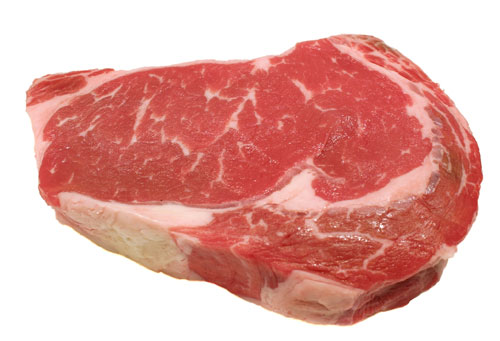
Remember when people told you to eat only lean meats? How about when your mother and father told you at the dinner table to cut off all that fat on the side of the steak? That globby white stuff that was so delicious, yet everything you ever read said that it would kill you? Destroy your heart? Clog your veins? REMEMBER THAT??
Well I'm here to tell you that...surprise surprise..............THEY'RE WRONG!!!!!! THAT STUFF IS ACTUALLY GOOD FOR YOU! Imagine with me for a second. Your distant ancestors, the cavemen of ancient times, survived on meat, and lots of it. There was no sort of "dieting" going on back then. If you were a vegetarian, you died. If you refused to eat meat because it wasn't "lean" enough, you died. You ate when there was food. That's that. Now cavemen didn't live very long, I'll give you that, heck their lifespan was only about half of what ours is now, at best. But evidence shows that's not because of their diet, its more because of, well, predators, disease, and other misfortunes either brought on by nature or...stupidity. In fact their diets were pretty darn good for what they needed to do, which was a LOT in one day. Run, hunt, swim, climb, jump, run some more, all on nothing but raw foods and meats. Not so bad, eh?
And when it comes down to it, the men of ancient days ate a LOT of saturated animal fat. Did it cause them heart attacks and clogged veins? Nope. Saturated animal fat is a remarkably powerful source of energy, and kept them running hard all day. And despite people thinking it'll clog your system and kill you in a few years, they're completely wrong. It's a complete MYTH that saturated animal fat destroys your heart and circulatory system, as is summed up conveniently in this quote:
"A hundred years ago, fewer than than one in one hundred Americans were obese, and coronary heart disease was unknown."
One hundred years ago, people WEREN'T cutting the fat off their meat. Foods were more natural, more pure, more RAW. cholesterol levels were low, plaque in the veins didn't stick, and hearts beat more strongly. It's simple, yet baffling at the same time. But remember this: People with the highest amount of saturated fat in their diet actually have the lowest risk of heart disease. CRAZZYYY...RIGHT?
So why is saturated animal fat actually good for you? Well instead of getting deeply into everything, I'll just list a few immediate benefits. Saturated animal fat has been PROVEN to promote a healthy circulatory system, support immune system strength, allows for skin to remain healthy and vibrant, is an EXCELLENT energy source, and also.....here's the kicker...PROMOTES WEIGHT LOSS.
So if this stuff is so great, why are we so afraid of it? Well in the 90's, there was a big movement called the "fat scare." Just because the word fat means both a state of unfortunate bodily situation AND is a piece of food composition, food companies linked them up and began marketing "low fat" foods to get more customers. They took fat out, sure, but guess what they put in instead. Highly refined carbohydrates such as starches and sugars. THOSE are what made America fat. Yes, that's right, carbs make people fat, not fat itself. Now remember I'm not against carbs, not by a long shot. But if you're going to eat carbs, make sure they're quality, complex carbs. Whole wheats and grains, as unrefined as possible. Ya feel me?
Now time for the disclaimer. Notice how the main subject of this article is saturated ANIMAL fat, not just saturated fats in general. When it comes to sat fats, they are not all created equal. Processed, man made fats do not have the same kind of benefit as the pure saturated fats from animal meat. In fact, many processed fats WILL raise your bad cholesterol and CAN lead to heart problems. Avoid trans fat and other processed foods rich in saturated fat, as they will do you no good.
So how would I suggest you change your diet? Well, first of all, don't go crazy. Don't worry about eating some of the fat on that dinner meat, as it will only do you good when kept within calorie limitations. Now remember that fat is a great energy source for a reason, which is that it contains the most caloric content per unit of mass. What does this mean? That means that if you have 6 oz of super lean chicken, and 6 oz of fatty beef, the fatty beef will have more calories and less protein, as some of the mass is taken up by fat instead of muscle. Make sense? This means that if you're looking for the largest protein content, lean meats are still the way to go. Does this mean that you should be afraid of the fatty meat? I think we've already covered this........no you shouldn't. It all just depends on what you want.
So there. Your mind is blown. Now go eat some fat.
GOOD LUCK!!!!
References:
http://yuru.com/blog/2011-01-were-cavemen-healthier
http://articles.mercola.com/sites/articles/archive/2011/09/01/enjoy-saturated-fats-theyre-good-for-you.aspx
http://articles.mercola.com/sites/articles/archive/2010/10/22/coconut-oil-and-saturated-fats-can-make-you-healthy.aspx
Thursday, July 5, 2012
Barney Butter (Crunchy Almond) *Review*
The Food Guru here with another review of one of my favorite products of all time. Surprise surprise, it's ANOTHER nut butter! I'll tell you what, I'm completely addicted to this stuff, whether it be peanut butter, cashew butter, almond butter, pistachio butter, or all of the above mixed into one. Heck, when I get the chance I usually whip up my own batch of homemade nut butter, a mixture of almonds, peanuts, and cashews. Nuts butters are EXTREMELY good for you, especially in their natural form, and on my weight gaining journey I've been consuming a LOT of them.
Today's product is called Barney Butter, and specifically it's the crunchy almond butter variety. I will say one thing first and foremost. THIS STUFF IS FREAKING TASTY! Seriously, be careful about sticking your finger in and having a little morsel, because more than likely you won't be able to stop. I have to FORCE myself to put the lid back on sometimes, belittling myself with mental phrases like "OK Seth, come on now, what happened to all your self control? You've had enough. Stop eating it. STOP." And yet, for some reason it's like this stuff STILL jumps out the jar and into my mouth. It is good, oh so good.
Health Factor: As I've already mentioned, natural nut butters in general are VERY good for you. That's because they contain a lot of healthy, unsaturated fats that help to maintain good cholesterol levels, slow digestion, and can actually be used as a good fuel source by your body on ketogenic diets. Almonds themselves contain a lot of Omega-6 fatty acids, which when balanced properly with Omega-3 fatty acids (found in tuna, salmon, shrimp and all sorts of other fish and shellfish), can ensure your body stays in top form and is resistant to excessive inflammation.
Almonds themselves are also packed with antioxidants, which help to neutralize free radicals in your body and prevent disease. They're also loaded with vitamin E, manganese, and magnesium.
Finally, almonds may actually help you to lose weight, despite being a high calorie, high fat food. There have been all sorts of studies done on the consumption of raw nuts, including many tests on human subjects regarding diet and weight gain. People who eat nuts at least twice a week were drastically less likely to gain unwanted fat when keeping their diet in check. So what are you waiting for? Have some almond butter, and don't you dare feel guilty.
Nutritional information:
Here's the label from the back of the jar, which is probably easier to read than me just spewing off all the nutritional facts in the article. More efficient too, I'd say:
As you can see, this almond butter has similar caloric content to peanut butter, however much less saturated fat. The ingredient list is short and sweet, and free of things like HFCS and hydrogenated oil. It also has a relatively low sodium count, and low sugar as well.
But my friends, where I have to go off on this butter is the taste. It is truly remarkable, and is without a doubt the best nut butter I've ever eaten to date. You put a spoonful in your mouth, and it's like you took a little trip to heaven. If the spoonful is big enough, you may close your eyes in ecstasy. It's sweet, salty, and crunchy, and has such a beautifully strong taste that your whole mouth is enveloped in it. Besides the perfectly sized chunks of almond, the butter is super creamy, and makes it awesomely hard to chew it. It's like the perfect blend, and I'm not exaggerating.
Guys, this stuff is gold in a jar, NOT KIDDING.
So what are you waiting for? Pick up some Barney Butter ASAP. It's healthy, natural, and RIDICULOUSLY delicious. It's a great break from peanut butter too, if you've gotten stuck in that rut. It can fit into pretty much any diet too, whether it be weight loss, maintenance, keto, paleo, or mass gain. Get some NOW, because these guys got it right.
......Barney Butter rules. Good luck!
References:
http://www.whfoods.com/genpage.php?tname=foodspice&dbid=20
http://www.ncbi.nlm.nih.gov/pubmed/12442909
Today's product is called Barney Butter, and specifically it's the crunchy almond butter variety. I will say one thing first and foremost. THIS STUFF IS FREAKING TASTY! Seriously, be careful about sticking your finger in and having a little morsel, because more than likely you won't be able to stop. I have to FORCE myself to put the lid back on sometimes, belittling myself with mental phrases like "OK Seth, come on now, what happened to all your self control? You've had enough. Stop eating it. STOP." And yet, for some reason it's like this stuff STILL jumps out the jar and into my mouth. It is good, oh so good.
Health Factor: As I've already mentioned, natural nut butters in general are VERY good for you. That's because they contain a lot of healthy, unsaturated fats that help to maintain good cholesterol levels, slow digestion, and can actually be used as a good fuel source by your body on ketogenic diets. Almonds themselves contain a lot of Omega-6 fatty acids, which when balanced properly with Omega-3 fatty acids (found in tuna, salmon, shrimp and all sorts of other fish and shellfish), can ensure your body stays in top form and is resistant to excessive inflammation.
Almonds themselves are also packed with antioxidants, which help to neutralize free radicals in your body and prevent disease. They're also loaded with vitamin E, manganese, and magnesium.
Finally, almonds may actually help you to lose weight, despite being a high calorie, high fat food. There have been all sorts of studies done on the consumption of raw nuts, including many tests on human subjects regarding diet and weight gain. People who eat nuts at least twice a week were drastically less likely to gain unwanted fat when keeping their diet in check. So what are you waiting for? Have some almond butter, and don't you dare feel guilty.
Nutritional information:
Here's the label from the back of the jar, which is probably easier to read than me just spewing off all the nutritional facts in the article. More efficient too, I'd say:
As you can see, this almond butter has similar caloric content to peanut butter, however much less saturated fat. The ingredient list is short and sweet, and free of things like HFCS and hydrogenated oil. It also has a relatively low sodium count, and low sugar as well.
But my friends, where I have to go off on this butter is the taste. It is truly remarkable, and is without a doubt the best nut butter I've ever eaten to date. You put a spoonful in your mouth, and it's like you took a little trip to heaven. If the spoonful is big enough, you may close your eyes in ecstasy. It's sweet, salty, and crunchy, and has such a beautifully strong taste that your whole mouth is enveloped in it. Besides the perfectly sized chunks of almond, the butter is super creamy, and makes it awesomely hard to chew it. It's like the perfect blend, and I'm not exaggerating.
Guys, this stuff is gold in a jar, NOT KIDDING.
So what are you waiting for? Pick up some Barney Butter ASAP. It's healthy, natural, and RIDICULOUSLY delicious. It's a great break from peanut butter too, if you've gotten stuck in that rut. It can fit into pretty much any diet too, whether it be weight loss, maintenance, keto, paleo, or mass gain. Get some NOW, because these guys got it right.
......Barney Butter rules. Good luck!
References:
http://www.whfoods.com/genpage.php?tname=foodspice&dbid=20
http://www.ncbi.nlm.nih.gov/pubmed/12442909
Monday, April 2, 2012
Our Daily Eats "Spicy Maple Pepitas" *Review*
I'm back with another fantastic snack that I've recently had the pleasure of stuffing my face with in every possible instance. As you may or may not know by now, I like things with flavor, things that can kick you in the mouth a little bit with a spicy, sweet combination, yet keep your belly full and waist trim at the same time. I don't come across store bought snacks that provide this unique feeling too often, yet today I'm pleased to say that a new food has graced my plate with its presence and given me something I truly enjoy. They're made by a company called Our Daily Eats, and are named creatively "Spicy Maple Pepitas."
So what are these things exactly? Well, they're pumpkin seeds to be exact. Small ones, that are spiced up with cayenne pepper and maple syrup. If that doesn't sound like a combination made in heaven, I don't know what does. And as far as taste goes, these things really hit the spot. They're exactly what you'd expect, spicy and interesting, yet deliciously sweet at the same time. If you're not a huge spice fan, don't worry, these things don't burn, they just let you know they're there with a nice little twinge of flame. And the maple syrup...well coming from Vermont you can already tell I'm a fan. I love maple syrup, and I truly believe it is a PERFECT addition to these spicy little seeds. Together they create a very unique taste that I believe you must taste ASAP.
But what about the actual nutritional profile of these seeds? Well, as you know, I don't eat food that's not healthy/beneficial toward my body in some significant way, much less write a review on it. And I'm pleased to announce that the nutritional profile on these pepitas is AWESOME! Let's look a little closer, shall we?
Ingredients: This is the first thing that caught my eye. There aren't any chemical/artificial additives! In fact, the only ingredients are: Pumpkin seeds, maple syrup, cayenne, and sea salt. That's FANTASTIC! Seriously, they don't even have any artificial sweeteners, or even added sugar (other than the maple syrup, which is considered a purely natural sweetener that is MUCH better for you than the granulated stuff). Normally if you see salt on an ingredient list, you need to be wary of sodium content, but NOT THIS TIME! We'll get more into that later. But like I said, this list is short and sweet, and completely fulfills the claim "100% natural" that's boasted on the package. PERFECT!
Caloric content: Now as we know, nuts and seeds tend to be very calorie dense, but they're also quite filling, so you're unlikely to go hog wild on such a product. 1/4 cup of this product has 125 calories, which is quite managable and is a PLENTY decent serving size if you're looking for a quick, midday snack.
Added Nutritional benefits: As the package states, pumpkin seeds are quite rich with unsaturated fats and Omega-3 fatty acids, which you can pretty much always use more of. They're extremely heart healthy, and lower your risk for heart disease or other cardiovascular health ailments if consumed on a regular basis. They also help lubricate your joints and keep things sliding smoothly, keeping you mobile as age creeps onto all of us. Pumpkin seeds are also very rich is minerals such as iron, zinc, and manganese, and have good helpings of vitamins C and E.
Sodium content: Now usually you have to be wary of packaged nuts and seeds for their sky high sodium counts, but not this time. In fact, per serving, there are only 85 mg of sodium, which is EXTREMELY low compared to most other similar products. There's just enough salt there to support the delicious flavor, without causing that sodium level to skyrocket. Awesome!
Entire Nutritional Information:
Serving Size: 1/4 Cup
Calories: 125
Total Fat: 5 g
Saturated Fat: 1 g
Trans Fat: 0 g
Cholesterol: 0 g
Sodium: 85 mg
Total Carbohydrate: 15 g
Dietary Fiber: 0 g
Sugars: 3 g
Protein: 1 g
So would I recommend this product? ABSOLUTELY! They're ridiculously delicious and are a great tool to either trim down or bulk up, or even just maintain your weight. They're very healthy, and are a refreshingly powerful flavor compared to most other bland health food. Just watch the serving size and you're golden. Excuse me while I go and have another handful...
Eat healthy, stay creative, and as always, GOOD LUCK!
Saturday, March 31, 2012
Red Meat: Friend or Foe?
No matter your involvement in the health and fitness field, I'm willing to bet that at some point in your life you've heard that red meat does nasty things to your body. It has been claimed to increase mortality rate in all sorts of ways, including increased risk of cancer, heart disease, and diabetes. Those are some pretty hefty claims, all due to the good ol' moo cow. But let's look at this a little more closely, and try to shed a light on red meat. You may be surprised to discover that it's not the killer it's been made out to be.
Firstly, I know there have been many studies done on the correlation between red meat and increased mortality. But every study I come across doesn't quite hold up to the claim that red meat is the actual reason the test subjects died an early death. In fact, it's virtually impossible to prove that red meat is the reason for premature mortality. Sure, it's associated. But hey, if most of those test subjects were on the average American diet of fatty meat and high carb-loaded, chemical packed, sugary junk, then don't you think the latter might have had a bit to do with it? And what about genetics? There are just too many factors to blame it all on red meat. Don't get me wrong, there's some bad red meat out there, but is all red meat inherently dangerous? Heck no. Let's look at what makes up the difference between healthy red meat, and the nasty crap.
First thing you should know. When you eat an animal, you eat parts of what that animal has ingested. You're getting a little taste of its diet history, and that may be good, or bad. If you're eating venison, I wouldn't worry too much, as deer tend to have about the cleanest diets going. If you're eating a cheap cut of beef though, I'd be a little wary, as most of the cheap stuff was fed feed corn and antibiotics on a daily basis in order to make the cows as big, meaty, and profitable as possible. When fed corn, the cow puts on a lot of excess fat, which marbles (or interlaces) with the actual muscle, making the cuts absolutely delicious, but packed with saturated fat. The antibiotics most cattle are given have two distinct purposes: First, they prevent the herd from contracting common diseases, and destroying profit. Second, smaller doses actually cause the animal to gain weight, which INCREASES profit the farmer obtains at slaughter. Cows are also given growth hormones which...well...cause growth. All this equates to more meat and more money.
Unfortunately for us, these chemicals remain in the cuts of meat when we consume them, and they don't do our bodies any favor. And THAT, my friend, is why red meat is bad for you. There isn't any curse in the meat itself which causes health problems. In fact, apart from the chemicals, red meat is actually very, very nutritious.
Protein: Red meat is packed with protein, and has always been a favorite of the muscle building crowd. In fact, lean ground beef is one of the most useful muscle building tools going. A little less than a quarter pound of lean beef has about 25 grams of protein, which is pretty darn awesome. Not to mention it's delicious, cheap, and readily available at almost any grocery store. And to top it all off, the protein in red meat is very bioavailable, meaning your body can readily use that protein to rebuild muscle fibers with a high degree of efficiency. Neat!
Vitamins and Minerals: Surprisingly, red meat has a ton of vitamins and minerals that your body will love you for consuming. It's extremely rich in B vitamins, and provides about 70% of the required value of B-12 in 100 grams. It's also very rich in vitamin B-6, vitamin A, riboflavin, and niacin. Red meat is also one of the best sources out there for both zinc and iron, and will provide about a quarter of the daily recommended value per serving. Red meat is also extremely rich in selenium, providing about a fifth of the daily recommended value in one 100 gram helping.
Antioxidants: That's right, red meat has antioxidants! Actually, it's got a whole bunch, including generous amounts of glutathione, lipoic acid, carsonine, and anserine. These substances have been proven to help maintain healthy blood sugar levels, act as "anti-aging" compounds, and help maintain healthy metabolic rate.
Fat: Now you may think you know what's coming here, but prepare to be surprised. Red meat doesn't just have saturated fat, in fact the majority of the fat in red meat is monounsaturated, and is of the same chemical construction as the healthy fats in olive oil. It will lower LDL (bad) cholesterol and raise (HDL) cholesterol. The majority of the saturated fat in red meat is stearic acid, which will increase good cholesterol, but have no effect on bad cholesterol, resulting in only a small deficit in the "bad" direction. The rest of the fat in red meat is polyunsaturated, and will lower bad cholesterol, and have no effect on good cholesterol. All in all, about 70% of the fat in red meat is beneficial toward your desired cholesterol ratio. Doesn't sound so bad, right? Definitely not as bad as it's been made out to be.
So the real question is, how do you get all these health benefits without all the nasty hormones and fat associated with cheap cuts of beef? What you need to look for in the grocery store is GRASS FED BEEF. Ground, grass fed lean beef is very low in unhealthy fats, packed with protein, and basically eliminates most of the marbled fat that exists within the meat itself. Grass is a much healthier alternative for the cows, and by eating it the cows retain much less fat overall and build higher quality muscle. The same can be said for pork, and you should look for grass fed, or pasture raised varities. This will virtually ensure that the animal was healthier, and carrying less fat at the time of slaughter.
But wait, even if you choose a nice cut of grass fed meat, you're not out of the woods yet. You should also make sure you look on the label for something like "no hormones" or "no antibiotics," to ensure you're getting meat WITHOUT all the nasty chemicals. This will provide you with a healthy and fantastically delicious dinner which will definitely help you build some muscle and trim the fat. Just be smart about your purchase, read the labels, know your red meat.
Here's a link to the FDA's list of labels that can be placed on food, and what you should look for depending on your goals:http://www.fsis.usda.gov/Factsheets/Meat_&_Poultry_Labeling_Terms/index.asp
Still scared of the myths you've heard about huge caloric content? Let me brush that nonsense aside right now:
This is for lean, ground, grass fed beef. Not bad at all. I could fit that into so many diets I couldn't even come close to counting them all. Don't be scared of red meat.
![]() |
| Hmmm...maybe I shouldn't have put this picture in...a little too cute... |
Enjoy your food, love red meat, and as always, GOOD LUCK!
References:
http://www.eatthefatoftheland.com/red-meat.html
http://animalrights.about.com/od/animalsusedforfood/f/AntibioticsrGBH.htm
http://www.webmd.com/food-recipes/features/the-truth-about-red-meat
Friday, February 3, 2012
Food Worship #11: Brussels Sprouts
I know what you're thinking...I'm crazy. Those nasty little cabbages you used to hate as a kid? Why would those be a super food? Well as you might have guessed, their green exterior and dense, veggie "aura" means that like your mother said, they're remarkably good for you. And you know what? I personally believe they're absolutely delicious. They're packed with fiber, and when cooked right they're dense and provide an incredibly satisfying bite, requiring just the right amount of effort to really know you've got some substantial food in your mouth. Yup, I love brussels sprouts. Sue me.
So what makes these things so good for you? Well, they're loaded with nutrients of all kinds, both macro and micro, and most definitely help your body out in all sorts of ways. Not to mention they can really bulk up a meal (these little guys fill you up fast, they're quite substantial for sure.) Also, when they're cooked just right, brussels sprouts are actually quite tender and delicious, and I bet if you haven't had them in a few years (due to painful childhood memories) that if you tried them again in your maturity you'd be surprised to find they're pretty darn tasty, especially compared to certain other veggies. Let's explore a little more in detail about why you should do just that, and how exactly you'd be doing your body good.
Fiber: As I alluded to earlier, brussels sprouts have quite a bit of fiber in them. In today's world, the more fiber you can get, the healthier you'll be and the better you'll feel. One cup of brussels sprouts has about 7 grams of fiber (THAT'S A LOT!), and one sprout has about 1 gram of fiber. All this fiber supports digestive/colon health, and also can assist in slowing the digestion of food so that the body more effectively uses what it's given. This can also prevent, to a certain degree, rapid fat gain, because it gives your body a longer time to use the food you've eaten. So get your fiber, and stay on track.
Heart Health: Brussels sprouts are great for your heart in a couple different ways. Firstly, they lower your LDL (bad) cholesterol. That's awesome, because with all the processed food out there today you'll need a good cholesterol-lowering tool that's easy to cook up and munch on. Brussels sprouts also help to create a substance in the blood called isothiocyanate (ITC) sulforaphane which has anti-inflammatory properties and may even be able to repair damaged blood vessels. That's pretty awesome if I don't say so myself.
Omega-3: Now I know what you're thinking, how could brussels sprouts have an essential fatty acid in them, after all there's only 0.6 grams of fat in an entire cup! But you'll be happy to know that the little bit of fat brussels sprouts do have is ALL good for you, and also is anti-inflammatory. Oh, and it'll support good cholesterol too, as an added bonus (as if there aren't enough bonuses to brussels sprouts already...)
Anti-Oxidants: Brussels sprouts have so many of these it's astounding: everything from vitamin C, E, beta-carotene, ferulic acid, and a special one called D3T (3H-1,2-dithiole-3-thione) that's actually quite rare in food. All these anti-oxidants help to prevent oxidation damage to your cells, which in turn can have effects on preventing several kinds of cancer. Make brussels sprouts a lifetime habit and perhaps you'll have a better chance of warding off cancer throughout your entire life. I'll take that kind of benefit any day.
Vitamins and Minerals: Oh boy do brussels sprouts have a bunch of these. Eating a serving of brussels sprouts is almost like taking a multi-vitamin. In one cup of brussels sprouts you'll be getting nearly 200% of your daily value of vitamin K, and 120% of your daily vitamin C. WOW! That's impressive. You'll also be getting a heaping helping of folate, manganese, and vitamin A. But that's not even close to the whole story. Here's the nutritional profile of brussels sprouts, courtesy of WHFoods.com:
| Brussels Sprouts 1.00 cup, raw 88.00 grams 37.84 calories | ||||
| Nutrient | Amount | DV (%) | Nutrient Density | World's Healthiest Foods Rating |
|---|---|---|---|---|
| vitamin K | 155.76 mcg | 194.7 | 92.6 | excellent |
| vitamin C | 74.80 mg | 124.7 | 59.3 | excellent |
| manganese | 0.30 mg | 15.0 | 7.1 | very good |
| folate | 53.68 mcg | 13.4 | 6.4 | very good |
| dietary fiber | 3.34 g | 13.4 | 6.4 | very good |
| vitamin A | 663.52 IU | 13.3 | 6.3 | very good |
| potassium | 342.32 mg | 9.8 | 4.7 | very good |
| vitamin B6 (pyridoxine) | 0.19 mg | 9.5 | 4.5 | very good |
| tryptophan | 0.03 g | 9.4 | 4.5 | very good |
| vitamin B1 (thiamin) | 0.12 mg | 8.0 | 3.8 | very good |
| iron | 1.23 mg | 6.8 | 3.3 | good |
| phosphorus | 60.72 mg | 6.1 | 2.9 | good |
| protein | 2.97 g | 5.9 | 2.8 | good |
| molybdenum | 4.40 mcg | 5.9 | 2.8 | good |
| magnesium | 20.24 mg | 5.1 | 2.4 | good |
| vitamin B2 (riboflavin) | 0.08 mg | 4.7 | 2.2 | good |
| choline | 16.81 mg | 4.0 | 1.9 | good |
| vitamin E | 0.77 mg | 3.9 | 1.8 | good |
| omega 3 fatty acids | 0.09 g | 3.8 | 1.8 | good |
| calcium | 36.96 mg | 3.7 | 1.8 | good |
| vitamin B3 (niacin) | 0.66 mg | 3.3 | 1.6 | good |
| World's Healthiest Foods Rating | Rule |
|---|---|
| excellent | DV>=75% OR Density>=7.6 AND DV>=10% |
| very good | DV>=50% OR Density>=3.4 AND DV>=5% |
| good | DV>=25% OR Density>=1.5 AND DV>=2.5% |
Also, at the top there you can see that one cup of brussels sprouts has only about 40 calories. This WILL vary depending on how big the sprouts are, but never will brussels sprouts be considered a calorie dense food. If you decide to munch on these babies you'll get full far before you do your figure any damage.
So...brussels sprouts! They're FANTASTIC! They taste great, are tender and juicy, go great with almost any lunch/dinner, and are packed with all the health benefits you could ever want. Try them out ASAP, there are a lot of AMAZING recipes out there for them. I like mine boiled/steamed, but you can add all sorts of things to them. In fact, here's a fantastic yet simple recipe I found online that'll really spice up a plain dish of brussels sprouts: http://www.foodnetwork.com/recipes/danny-boome/sauteed-brussels-sprouts-and-red-cabbage-recipe/index.html
Give them a try, what do you have to lose except an unhealthy body? GOOD LUCK!!
References:
http://www.whfoods.com/genpage.php?tname=foodspice&dbid=10
Monday, January 30, 2012
Food Worship #10: Avocado
For my tenth article praising the miracle that is healthy food, I'd like to bring to mind one of my favorite fruits of all time: Avocado. This green, creamy, delicious food is truly loaded with health benefits. It's nutrient dense, heart healthy, and goes great with all sorts of recipes (Guacamole, anyone?) Let's explore further what makes these little alligator skin fruits so darn good for you (and so darn tasty!)
First, a little background about the avocado. The name "avocado" actually refers to the tree that this fruit is grown on, though the fruit itself has adopted the name. It's also called the "alligator pear," for obvious reasons. Technically, the avocado is actually a berry because it only contains one large seed (I honestly thought it was a vegetable for the longest time, so don't feel bad if this comes as a surprise to you.) Want to know something reeealllyyy weird though? The name avocado comes from the ancient Nahuatl word ahuácatl which actually means......get ready......testicle. Yeah, try looking at an avocado the same way again, I bet it'll be hard (thanks Wikipedia!) These things are grown all over the world in warm climates and are therefore readily available in the USA, which is great because these things can do your body more good than you'd realize. Let's talk about some of the health benefits of avocado, and why you should try some diced ones on your next salad.
Healthy Fats: Avocados, like most nuts, are loaded with some of the healthiest fats you can find. Each fruit contains about 30 grams of monounsaturated fat. Now I know you're saying "thirty grams...THAT'S A LOT OF FAT!" Well, honestly it is. But you know what? It's all heart healthy fat that will lower LDL (bad) cholesterol levels. In fact, avocados and heart health kind of go hand in hand. Remember that fat doesn't make you fat, excess calories make you fat. Plus, all that healthy unsaturated fat makes avocados extremely delectable, and anyone who's had a few bites will tell you that the fruit basically melts into your mouth, turning into a buttery texture that's absolutely heavenly (the avocado is also called the "butter pear" for this reason). It also makes these things easy to mash up and make into guacamole, a dip that when prepared in a calorie conscious manner is quite good for you, not to mention ridiculously tasty. Don't fear the fat, many people eat multiple avocados a day and still remain lean and fit.
Added Heart Health: Avocados also contain another equally potent heart healthy nutrient: folate. Diets high in folate are conducive to healthy hearts and reduced rates of heart disease. Avocados actually contain between 20-25% of your daily recommended folate, so eat up and keep that heart beating strongly and consistently! The risk of stroke is also reduced by consuming avacados on a regular basis.
Vitamins/Minerals: The alligator pear is also quite dense with other vitamins and minerals, specifically vitamin E, which amazingly is ALSO conducive to a healthy heart, as well as normal neurological activity. Vitamin E also acts as a powerful anti-oxidant, protecting your cells from free radical oxidation (a very damaging process that can cause disease as people age.) Avocados also contain about 20% of your daily recommended vitamin B6 and vitamin C, as well as many other helpful nutrients like copper and manganese.
Cartenoids: Avocados have an unusually HIGH amount of cartenoids, and this combined with their high fat content make them an excellent anti-inflammatory food. Foods like this will allow your body to heal faster by preventing the swelling of tissues around damaged areas, so that blood may refresh at a faster rate and bring nutrients and oxygen to the source of distress. This will speed up the healing process, sometimes drastically.
Better nutrient absorbtion: Now this one is quite cool, if I don't say so myself. Avocados have actually been shown to increase our ability to absorb certain nutrients from other fruits and vegetables! That's right, when avocados are consumed along with other vegetables, we'll get more out of the entire meal, ON TOP of the already nutrient dense avocado. Cool! Here's a little clip from an article I read on the subject that discusses an interesting test regarding this subject:
"Researchers at Iowa State University and Ohio State University conducted a study to find out more about this unique benefit. Six males and five females ate 300 grams of tomato salsa. About half of the group was given salsa that contained 150 grams of avocado (about five tablespoons), and the others ate salsa without avocado. After a period, the test was repeated but the subjects were given the opposite type of salsa they were given in the first phase.
In the second part of the study, the subjects ate a salad of carrots, spinach and lettuce. Half the group enjoyed their salad with 150 grams of avocado, and the other half without. The process was then repeated after some time and they ate the opposite type of salad.
Blood was drawn from each subject several times after each meal to determine changes in nutrient levels for up to nine and a half hours after the meals. The results were:
* Subjects who ate avocado with salsa absorbed nearly 4.5 times more lycopene than those who didn't eat avocado.
* Subjects who ate avocado with salad absorbed 8.3 times more alpha-carotene and 13.6 times more beta-carotene than those who didn't eat avocado.
* More than four times as much lutein was absorbed by subjects who ate avocado with salad compared to those who ate only salad."
Pretty neat huh? Another reason to put this rough skinned little guy in your diet a bit more often. And if any of you are interested, I'll add the nutritional facts for an avocado right here for your viewing pleasure:
| Calories 322 | (1344 kJ) | |
| % Daily Value 1 | ||
| Total Fat | 29.5g | 45% |
| Sat. Fat | 4.3g | 21% |
| Cholesterol | 0mg | 0% |
| Sodium | 14mg | < 1% |
| Total Carbs. | 17.1g | 6% |
| Dietary Fiber | 13.5g | 54% |
| Sugars | 1.3g | |
| Protein | 4g | |
| Calcium | 24.1mg | |
| Potassium | 974.9mg | |
Yeah, I know what you're thinking, that's quite a few calories for just one fruit. But you're going to have to believe me that every single one of those calories is extremely good for you. Sometimes calories don't matter quite as much as the health factor of the food (I hate when people skip out on a healthy addition to a meal just because it's a few extra calories).
Still a little wary? How about this. Cut the thing in half, add half to your salad today, the other half to your salad tomorrow. Or better yet, make some guacamole with the other half! See? problem solved.
I personally LOVE avocados, and I really hope you can learn to love them as well. They're such a unique fruit, both in appearance and in nutritional profile. They have so much to offer, and definitely deserve a reserved spot in your diet. I can almost guarantee you'll love the taste (and the texture....smooooth), and finding the big pit in the middle of it is kind of a novelty in itself. So what are you waiting for? Go out to your local store and grab one!
Love the avocado, enjoy the incredible flavor, and as always, GOOD LUCK!
References:
http://www.healthdiaries.com/eatthis/10-health-benefits-of-avocados.html
http://www.naturalnews.com/023035.html
http://www.whfoods.com/genpage.php?tname=foodspice&dbid=5
http://en.wikipedia.org/wiki/Avocado
Labels:
absorption,
avocado,
better,
cartenoids,
fat,
folate,
guacamole,
healthy,
heart,
lean,
minerals,
monounsatured,
nutrient,
recipe,
tasty,
vitamins
Subscribe to:
Posts (Atom)


.jpg)
