Showing posts with label recipe. Show all posts

Tuesday, August 7, 2012

Coconuts: A Peculiar Fruit

Well there I go again, taking another couple week hiatus from typing my articles.  I'm sorry folks, summer is just a busy time for me.  I just got back from the trip of a lifetime to Kauai, Hawaii.  That's right, for 8 days I was immersed in the warm Pacific ocean, the constant cool Hawaiian winds, and more sunshine than my skin knew what to do with.  And there were fruits everywhere!!!  Trees with papayas, mangos, bananas, and of course, coconuts.  I'll let you in on a little secret:  Coconut is probably my favorite fruit of all time.  Something about the taste of it is just so incredible, and so heartily satisfying.  Getting some fresh coconut meat in Hawaii was a dream come true.  But the coconut isn't like your average fruit.  It's nutritional properties are quite unique, and while its still an extremely healthy food, its healthy in a different way than most other fruits.  In fact, the coconut is composed mostly of a substance you wouldn't think sounds very fruity: 

FAT!!!  

That's right, coconuts are composed of mostly fat. And not just any old fat, but that super scary crazy spine tingling SATURATED FAT!!!  OMG!!!  Crazy right?  Now stop freaking out for a second and let me explain something.  This saturated fat is very, very, VERY good for you.  I've said a million times and I'll say it again:  fat doesn't make you fat.  The fat in coconuts not only gives the fruit an amazing taste, but it also does many positive things for your body.  The saturated fats in coconuts (or specifically the oil in coconuts) isn't a long chain fatty acid like we find so often in products made with hydrogenated oils, but instead are medium chain fatty acids which behave quite differently.  These fatty acids have been shown to have anti-oxidant properties, as well as the ability to speed up your metabolism.  That's right, eat fat to burn fat, sounds great doesn't it?
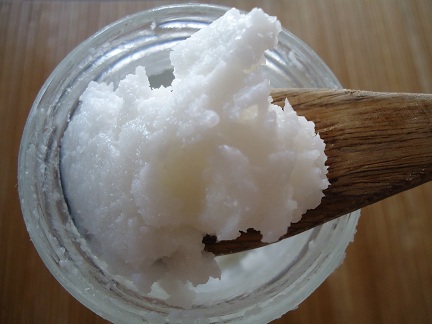


Now you may be remembering all those times you've heard that saturated fat will destroy your heart, clog up your veins, and in general destroy your circulatory system.  I'll say this right now:  there is no proof that the saturated fats in coconuts will cause any harm on bad cholesterol levels or overall heart health, and in fact there is much evidence to suggest the contrary.  Trans fats from hydrogenated oils are the real killers out there, not the natural saturated fats in coconuts.  In fact, by consuming the fats in coconuts, you're actually encouraging your body to use fat as an energy source, which may help you shed a few pounds.  And to all who are still in the dark about the powers of fat, it's an EXCELLENT energy source.  It's actually better than any carbohydrate, because it has more energy per unit of mass.  Cool, right?

But coconuts don't just stop at the fat benefits.  They're also rich with vitamins C, B1, B2, and B3.  This convenient vitamin package will help boost immune system health and support a fast burning metabolism which will keep you energized, strong, and of course, lean.  Coconuts are actually quite low in sugar compared to most fruits as well, which is a welcome change from the normal enormous insulin spike you get when eating apples, grapes, or bananas.  In terms of overall calories, coconuts are actually a very calorie dense food, and I bet you can guess why:  the fat of course!  This means they're an AWESOME energy source, but make sure you plan your daily diet accordingly, because a coconut could bump you over your daily caloric goals quite easily.  Here's the nutritional information for a coconut:

Nutrition Facts
Serving Size 1 cup of shredded
 
Amount Per Serving
Calories from Fat 241
Calories 283
 
% Daily Values*
Total Fat 26.79g41%
 Saturated Fat 23.758g119%
 Polyunsaturated Fat 0.293g 
 Monounsaturated Fat 1.14g 
Cholesterol 0mg0%
Sodium 16mg1%
Potassium 285mg 
Total Carbohydrate 12.18g4%
 Dietary Fiber 7.2g29%
 Sugars 4.98g 
Protein 2.66g 
 
Vitamin A 0%Vitamin C 4%
Calcium 1%Iron 11%
*
That's a bunch of calories, eh?  But don't be afraid, believe me it's worth it to fit coconut into your diet.  It's extremely good for you and tastes absolutely delicious.  It's definitely one of the most interesting fruits out there, and will always be one of my favorites.  But remember though, if you ever travel to Hawaii, or another place where coconuts grow rampant, that more people are killed each year by a coconut to the head than are killed by sharks.


And with that, I say, GOOD LUCK!

References:


Friday, May 25, 2012

Food Worship #14: The Kidney Bean

Sorry folks, I know it's been a while since you've heard from the Food Guru.  I've been quite busy, but finally have a little time to sit down and discuss with all of you another of my favorite foods.  As you may or may not know, I'm a huge fan of beans.  They're a fantastic source of carbohydrates, and are absolutely DELICIOUS.  They come in all shapes and sizes, and I could honestly go for a few days rambling on about each one regarding its benefits, nutritional value, and why YOU should be eating them.  But today, I must choose only one.  And so I've made it my second favorite, as I've already written about my number one (the chickpea, or garbanzo bean.)  Today's bean of choice is....*drum roll*.....the humble kidney bean.


These medium sized beans are a little bit funny looking, being shaped like, well, kidneys.  But I assure you, they're one of the best foods you could ever put in that ever improving body of yours.  Not only are they delicious, but they have a whole host of powerful health benefits that will without a doubt make you feel (and look) absolutely amazing.  As per the usual routine, I'll now provide several bulleted categories of beneficial aspects of the bean, as any professional blogger would (despite me not actually being professional...yet.)  Let's get started, shall we?

Fiber:  First and foremost, as with a LOT of beans, kidney beans are very rich in fiber.  Fiber can help lower cholesterol and greatly improves digestive health.  It also makes your body more efficient at digesting the other foods in your diet and utilizing the nutrients in each one.  In all honesty, you want to get as much fiber in your diet as you can, ESPECIALLY if you have a high protein diet (as any muscle-head would.)  Fiber is your friend.  One cup of kidney beans will have about 220 calories and a whopping 16 grams of fiber!  That is a LOT of fiber, and will do your body a LOT of good.

Complex Carbs:  If you're looking to build muscle and have long lasting, powerful energy throughout the entire day, you need a lot of good quality, slow digesting complex carbs. In terms of carbohydrates, you can't get much higher quality than kidney beans.  They'll provide your body with exactly the energy you need, and will promote muscle growth and glycogen replenishment.  Unlike sugary carbs, complex carbs will NOT provoke as aggressive insulin response by your body and therefore will allow you to avoid unnecessary fat gain.  Kidney beans are like high octane, awesome quality fuel for your body, so eat up!


Stabilize Blood Sugar:  Not only are fiber and high quantity of complex carbs an excellent source of digestive health and long lasting energy, they also both help stabilize blood sugar, leading to less fat gain (if you're bulking up), or easier fat loss (if you're slimming down.)  Low and stable blood sugar levels are crucial to a healthy diet and trim figure, especially as you age.  

Protein Packed:  Kidney beans are absolutely LOADED with protein.  One cup has about 14 grams of protein, and while the beans themselves don't provide a complete amino acid profile (the protein in the beans isn't immediately available to your body for muscle building), when the beans are combined with a good whole grain, the amino acid profile can be completed and you'll get all the benefits of that hearty, protein packed legume.  Want the guns to impress the ladies?  Grab yourself a can of kidney beans and dig in.  

Nutritional Profile:  To wrap the rest up into one little section, kidney beans have a great nutritional profile overall.  They're very low in saturated fat, very low in sugar, and of course, if you buy the right ones, are all natural.  I love the canned beans, which have all the same nutritional benefits, but unfortunately with a bunch of added sodium.  If you get canned beans (which again, is completely FINE), make sure to rinse them thoroughly before consumption to wash the majority of that salt right down the drain.  Easy enough, right?

Here's the nutritional information for canned kidney beans:

Nutrition Facts
Serving Size 1 cup
Amount Per Serving
Calories from Fat 8
Calories 218
% Daily Values*
Total Fat 0.87g1%
Saturated Fat 0.128g1%
Polyunsaturated Fat 0.484g
Monounsaturated Fat 0.069g
Cholesterol 0mg0%
Sodium 873mg36%
Potassium 658mg
Total Carbohydrate 39.91g13%
Dietary Fiber 16.4g66%
Sugars 0.56g
Protein 13.44g
Vitamin A 0%Vitamin C 5%
Calcium 6%Iron 18%
*Percent Daily Values are based on a 2000 calorie diet. Your daily values may be higher or lower depending on your calorie needs.

Nutrition Values are based on USDA Nutrient Database SR18
(Lots of sodium if left un-rinsed, so make sure to remember that step.)


All in all, kidney beans are a must-eat if you're at all concerned with health, fitness, or general well being.  They're absolutely delicious, and go well in all sorts of recipes.  Personally though, I love just eating them plain with some good spicy seasoning next to a piece of tilapia and some natural almonds.  YUMMY!  They're cheap, accessible, and ridiculously healthy.  Pick some up ASAP!


Love the kidney bean, a magical fruit, and as always, GOOD LUCK!


References:

Thursday, April 19, 2012

Negative Calorie Foods: The Ultimate Diet Fantasy

We've all heard of them, those foods that supposedly require more calories to digest than they actually contain. Like celery!  Don't you remember that celery had something like 5 calories, and took 15 to digest?  Now I don't really know where those numbers came from, but I sure remember hearing that statement uttered from the mouths of quite a few of my friends and relatiFves.  But is it really true?  Could you just theoretically eat a whole ton of celery and burn more calories than your daily trek in the gym?


Unfortunately, no.  These rumored zero calorie foods are just that, rumors.  They don't actually exist.  There isn't a single food out there that requires more calories to digest than they actually contain.  Each and every day, your body takes about 10% of your caloric intake and uses it to actually digest the foods that you've eaten.  Now this 10% can vary based on how many calories you actually consumed, and if it happens to be over the caloric value of celery, then whoopee, maybe in that instance celery was a net loss of calories.  But the difference is nearly negligible, and hasn't been shown to aid in fat loss (the effect hasn't, the food most surely has!)

Does this mean you should cut back on celery?  Or how about broccoli? (Another supposed zero calorie food.) HECK NO!  Both of these veggies can aid in huge amounts toward your weight loss goal.  They contain massive amounts of fiber, which will not only keep your digestive system fit and healthy, but will keep you satiated and slow the digestion of other foods, making it a more efficient process and allowing the body to more readily use the nutrients it has been given.


Listen:  You're not going to get fat off of celery.  I'd be willing to wager you that you could eat as much celery as you wanted, and you'd get full long before you ever gained even an ounce of fat.  Raw, green veggies are just too darn nutrient packed to be bad for you, even in huge quantities.  Actually, I'll go out on a limb and say that if "no limit" foods exist, celery, broccoli, and other deep greens like spinach and lettuce are definitely worthy of that title.

Eat to your heart's content!  But don't think you'll be in a net calorie loss by doing so, because even though I hate to say it, your body doesn't work like that.

 Myth BUSTED!  

All in a morning's work, and now off to class.

Eat those veggies, and GOOD LUCK!

Tuesday, April 17, 2012

The Most Dangerous Restaurant

No, I don't mean that you're at greater risk of getting mugged or stabbed in one particular restaurant over another.  The term "dangerous" here refers completely to the food they serve, and the fantastic potential of that food to make you resemble a big, bloated Santa Claus.  That's right, these places serve the food that rips jeans, bulges shirts, and sprouts new chins.  Sounds horrific, doesn't it?  Just about the scariest thing going for sure....


So which restaurant do you think it is?  Wendy's?  KFC?  How about the big ol' Micky D?  Actually, it's none of the above.  Yes, that's right, in my opinion the most dangerous, fat condoning restaurant is far worse than any fast food chain, and it has a lot to do with the quantity of food they make available to you.  Did that give you a hint?  If you didn't catch it, here's a little riddle that might make things clearer:  What's sweet and sour and comes in endless quantities?

That's right, I believe truly that the most dangerous restaurant out there is a Chinese buffet, and honestly, it's not hard to see why.  First of all, they're relatively cheap.  Secondly, you get an unlimited supply of some of the worst food going.  Thirdly, that horrible food tastes better than anything you could ever imagine.  I mean seriously, what tastes better than a couple egg rolls and a plate full of General Tso chicken?  Not much, my friend, not much.  And howabout that lo mein?  Oh my gosh it's to DIE for.  And here, you can see the problem.


If you ever find yourself in one of these places (which I'm sure you will at some point or another), take a look around you.  Half the people will go up for seconds and thirds, bringing back plate after plate of fried chicken, oily, slimy noodles, and cream cheese stuffed crab rangoons.  And after they finish those monstrous piles of food, they'll go back and grab some sort of dessert from the vast selection of cake, ice cream, and other baked goods.  And of course, you have to have a fortune cookie at the end of it all, right?  I mean it wouldn't be a complete trip without that.

What is the average number of calories consumed at a Chinese buffet?  Well, I'm not sure if this will come as a shock or not, but it's quite easy to break 3000 calories in one meal at a buffet.  Heck, when eating competitively with my friends a few years back at a Chinese joint, I probably broke 5000, easy.  Seriously, when everything is fried, prepared with lots of oil and sugar (and other nasty chemicals), food takes on enormous caloric density.  If you want to succeed on a diet in a Chinese buffet, you HAVE to realize this.

The good news is that not all foods at a Chinese buffet are unhealthy.  In fact, some are extremely good for you.  Here's a list of what to go for at a buffet, and also a list of what to avoid.

Healthy Chinese Buffet Choices:

-Steamed vegetables (with no sauce)
-Plain Shrimp
-Brown Rice
-Muscles, clams, and most other shellfish
-Sushi (in small quantities)
-Grilled meats such as chicken with LITTLE OR NO SAUCE
-Wonton or egg drop soup
-Fruit
-Salad Bar


What to avoid:

-Lo Mein
-Sweet and Sour, General Tso, or any other sort of heavily sauced up fried chicken
-Fried ANYTHING
-Egg rolls
-Fried rice
-Crab rangoons
-Dumplings
-Dessert bar

Sure, Chinese buffets are dangerous, but they don't have to destroy your diet.  Be smart about what you choose to eat, stay in control of your appetite, and you'll be just fine.  That fried food may look, smell, and taste amazing, but think of the long term.  What will it really do to your body, and your future goals?  Yeah...doesn't look so appetizing anymore, does it?

Choose wisely, think of the future, and as always, GOOD LUCK!


Friday, April 13, 2012

Confessions Toward Getting Bigger


I've been wanting to write more opinionated, personal articles for quite some time.  Sure I love bringing you guys all sorts of healthy foods to try out, but rambling off nutrition facts gets old after a while.  So I'll bring this post to the other side of the blogging spectrum and give you an inside look on some of the struggles I've had with dieting, weight goals, and how they affect the big picture.  Sit back and grab a bowl of air popped popcorn, this is about to get deep.

So as you may or may not know, I'm a weightlifter.  No, that's not what you think, I don't just go to the gym and lift weights like everyone else, trying to target specific muscles and get the "big guns."  A weightlifter is technically someone who lifts weight in the Olympic style, focusing on two main lifts, the clean and jerk, and the snatch.  I won't go nuts trying to explain those two lifts, look them up on youtube if you're curious.  Let me just tell you that they're far different and far more total body intensive than your traditional bicep curl.  Anyway, being a competitive weightlifter means I'm in the gym 9 times a week, squatting, snatching, cleaning, and jerking as much weight as possible for high volume.  Because this sport is judged solely on how much weight is lifted successfully, I need as much muscle as possible packed into as little space as possible.  I need dense, explosive, muscle tissue that's very flexible and ready to work at a moment's notice.  Sounds easy to get, right? Just load up the steaks on the grill, mix a few protein shakes, and train hard as hell.

But there's a catch.

This sport is also judged in weight classes.  What this means is that everyone who competes falls into a class depending on their body weight, which more accurately pits athletes against each other and can really determine who is stronger, has better technique, or in general a better combination of both.  It wouldn't really be fair to pit the scrawny, short, 63 kg dude against Mr. big and brutish weighing in at 150 kg, would it?  This means weightlifters, while being able to eat a LOT depending on their training, need to watch their diet and make sure it's the most effective combination of foods that will give them both enough energy to complete workouts, and enough excess calories to rebuild torn muscle fiber.  Diet is extremely important in Olympic weightlifting.


And there's one more catch too.  Every lifter has an optimal weight to lift at, usually based on their height and build.  To lift optimally at a body weight of 77 kg, you should be about 5'7".  And here's where my struggle comes in.  I'm 5'11", which means I should weight around 200-230 lbs to lift at my optimal capacity.  I currently weight 162 lbs, which puts me in the lower end of the 77 kg class.  I knew I needed to gain weight, and believe me, my coach has been yelling that fact in my face for the longest time.

Maybe you're thinking "so what the heck are you waiting for!?! You get to EAT A LOT OF FOOD!  NICE!!!!"  But not so fast.  I'm not too keen to get big and fat quickly, as I considered myself pretty fit and trim at 158-160 lbs.  I had visible abs, pretty decent build, and felt good.  Purposely trying to gain weight, no matter how cleanly, might mean I need to sacrifice a good looking build for the sake of added muscle.  This, to me, was a little bit depressing (and honestly, it still is.)  Sure, putting on weight by eating a lot of clean food and training your butt off ensures that MOST of the weight you put on will be muscle, especially if you're not in a huge caloric excess.  But there's absolutely zero percent chance of gaining weight and having it be 100% muscle.  In fact, no matter how clean you do it, the percentage usually isn't even close to that number.  And purposely putting on fat, to me, didn't sound like fun.

But I changed my diet anyway.  I added about 500 calories more initially, and when I plateaued around 161 for a week or two, I added a couple hundred more.  I eat all the clean food I can, and don't pay attention to calories quite as much as I used to when I was merely trying to maintain my weight.  Roughly I'm around 3200-3300 calories a day now, but when I get up to above 170 lbs, I'm sure this figure will have to increase by another 20% at least.  My training is hard enough that I need to eat a LOT of food to maintain my weight.  And, resembling more the ectomorph build, I have a pretty fast metabolism as it is.

Honestly, while I love food like no one else, it makes my heart sink a little to know that I have to keep shoveling in the food to the point where I force my body to gain weight one way or another.  I don't like seeing the little bits of fat showing up around my midsection (though at this point they're very very small, and I doubt anyone would really notice), but I do like looking in the mirror and seeing a more full, muscular, stronger me.  So how do I get through it?  How do I keep a positive spin on the weight gain process?

Well, firstly, the way you look can depend a lot on the clothes you wear, the amount of water you're retaining, and the mirror you're looking in, not to mention a million other variables.  What I know in my head is that when I see myself in my dorm room mirror, and I think quietly that I look big enough as it is, and maybe I should stop trying to gain, I remind myself that this view is skewed.  I'm close to the mirror, and have my own mental image of myself that warps reality a bit.  Anyone around me would tell me I look like a rail.  I know that.  I don't look big to others, and therefore I tell myself I shouldn't look big to my own eyes either.  I only weigh 162 for goodness sake.  162 lbs ISN'T big, especially if you're 5'11".

I also keep looking at pictures of my weightlifting idols.  Klokov, Chigishev, Ilin, Dolega, all 105 kg or 105+kg lifters.  They are huge, with ginormous amounts of USEFUL muscle.  I tell myself I need to look and perform like them, and I won't stop training or eating until I do.  I tell myself every bite and every squat will bring me one step closer to glory, and when I achieve that, I won't look half bad regardless.  How could I?  Tons of healthy food, tons of exercise, what could go wrong?  So what if my abs aren't quite visible.  When I throw 230 kg over my head, I don't think anyone will care, and I don't think I will either.

Dmitry Klokov, probably my favorite lifter (my height too)

Evgeny Chigishev, the pure essence of POWER

So my friends, if you're on a journey to get bigger, and are second guessing the weight gain, remember to take a deep breath, realize that abs aren't all that matters in the world, and grab a sweet potato.  Train hard, eat big, get strong, grab glory.  I won't stop until I do...that's for sure.

Monday, April 2, 2012

Our Daily Eats "Spicy Maple Pepitas" *Review*


I'm back with another fantastic snack that I've recently had the pleasure of stuffing my face with in every possible instance.  As you may or may not know by now, I like things with flavor, things that can kick you in the mouth a little bit with a spicy, sweet combination, yet keep your belly full and waist trim at the same time.  I don't come across store bought snacks that provide this unique feeling too often, yet today I'm pleased to say that a new food has graced my plate with its presence and given me something I truly enjoy.  They're made by a company called Our Daily Eats, and are named creatively "Spicy Maple Pepitas."

So what are these things exactly?  Well, they're pumpkin seeds to be exact.  Small ones, that are spiced up with cayenne pepper and maple syrup.  If that doesn't sound like a combination made in heaven, I don't know what does.  And as far as taste goes, these things really hit the spot.  They're exactly what you'd expect, spicy and interesting, yet deliciously sweet at the same time.  If you're not a huge spice fan, don't worry, these things don't burn, they just let you know they're there with a nice little twinge of flame.  And the maple syrup...well coming from Vermont you can already tell I'm a fan.  I love maple syrup, and I truly believe it is a PERFECT addition to these spicy little seeds.  Together they create a very unique taste that I believe you must taste ASAP.


But what about the actual nutritional profile of these seeds?  Well, as you know, I don't eat food that's not healthy/beneficial toward my body in some significant way, much less write a review on it.  And I'm pleased to announce that the nutritional profile on these pepitas is AWESOME!  Let's look a little closer, shall we?

Ingredients:  This is the first thing that caught my eye.  There aren't any chemical/artificial additives!  In fact, the only ingredients are: Pumpkin seeds, maple syrup, cayenne, and sea salt.  That's FANTASTIC!  Seriously, they don't even have any artificial sweeteners, or even added sugar (other than the maple syrup, which is considered a purely natural sweetener that is MUCH better for you than the granulated stuff).  Normally if you see salt on an ingredient list, you need to be wary of sodium content, but NOT THIS TIME!  We'll get more into that later.  But like I said, this list is short and sweet, and completely fulfills the claim "100% natural" that's boasted on the package.  PERFECT!  

Caloric content:  Now as we know, nuts and seeds tend to be very calorie dense, but they're also quite filling, so you're unlikely to go hog wild on such a product.  1/4 cup of this product has 125 calories, which is quite managable and is a PLENTY decent serving size if you're looking for a quick, midday snack.

Added Nutritional benefits:  As the package states, pumpkin seeds are quite rich with unsaturated fats and Omega-3 fatty acids, which you can pretty much always use more of.  They're extremely heart healthy, and lower your risk for heart disease or other cardiovascular health ailments if consumed on a regular basis.  They also help lubricate your joints and keep things sliding smoothly, keeping you mobile as age creeps onto all of us.  Pumpkin seeds are also very rich is minerals such as iron, zinc, and manganese, and have good helpings of vitamins C and E.

Sodium content:  Now usually you have to be wary of packaged nuts and seeds for their sky high sodium counts, but not this time.  In fact, per serving, there are only 85 mg of sodium, which is EXTREMELY low compared to most other similar products.  There's just enough salt there to support the delicious flavor, without causing that sodium level to skyrocket.  Awesome!

Entire Nutritional Information:

Serving Size: 1/4 Cup
Calories: 125
Total Fat: 5 g
   Saturated Fat: 1 g
   Trans Fat: 0 g
Cholesterol: 0 g
Sodium: 85 mg
Total Carbohydrate: 15 g
   Dietary Fiber: 0 g
   Sugars: 3 g
Protein: 1 g

So would I recommend this product?  ABSOLUTELY!  They're ridiculously delicious and are a great tool to either trim down or bulk up, or even just maintain your weight.  They're very healthy, and are a refreshingly powerful flavor compared to most other bland health food.  Just watch the serving size and you're golden.  Excuse me while I go and have another handful...


Eat healthy, stay creative, and as always, GOOD LUCK!

Friday, March 30, 2012

Make Caloric Density Work For You


In today's world, it's easy to eat something small that's EXTREMELY calorie dense.  I think McDonald's gets picked on enough, so I'll use Burger King as an example.  Their Whopper has a "whopping" 670 calories per burger, and anyone who's got a stomach like mine (which is pretty much any college guy I can think of) could down three of those things before feeling full.  Guys have big stomachs, and even you women, who get full more easily, still could effortlessly consume a tuna salad wrap which, with added Mayo, could break 500 calories without trying too hard.  And who eats just the sandwich, right?  You gotta have a few extras, like coleslaw, or a ranch smothered salad, or even some fries.  Before you know it, you've broken 1000 calories in one meal, gotten very little actual nutrition, and worst of all you may not even know you did it!

So how is it possible to avoid these calorie dense meals that don't fill you up?  It's pretty simple really.  First, know your food, how many calories they contain, and assume as little as possible.  Find out tooth and nail how many calories that piece of pizza has, and limit yourself based on that.  Knowledge is power, and to succeed in dieting, you need to KNOW as much as possible about the food you eat.  No guesswork.  But we all know this, right?  What I really wanted to talk about with you today is a neat little method to ensure you stay full, and don't go overboard with caloric content.  Check this out:

Now by this point we should have a grasp on the term "caloric density."  Basically the less amount of food per calorie, the greater caloric density that food has.  Peanut butter is 2 tablespoons per 200 calories.  That's VERY dense, because two tablespoons ain't that much.  Lettuce is extremely NON calorie dense, because you can have like 10 or 12 cups of the stuff and would be hard pressed to break 100 calories.  The trick is finding the foods that AREN'T calorie dense, yet are still delicious and filling, and stacking those on top of each other for each meal.  Here's an example:

For lunch at home, I'll usually have:

1 tilapia fillet (~100 calories)

1 hard boiled egg (~80 calories)

1 whole wheat flatbread (~100 calories)

1 bag of "steam in bag" carrots (~100 calories)

1 grapefruit (~100 calories)

1 tomato (~30 calories)

1 big salad with lettuce, mushrooms, bell pepper, cherry tomatoes, cucumber slices and balsamic vinegar (<100 calories)

1/2 serving of peanuts, almonds, or cashews (~100 calories)

mmmmm... Tilapia
So that's about a 700 calorie lunch, and ladies and gentlemen, that's a LOT of food.  Keep in mind that if i were to have 1 Whopper, I would have consumed about the same number of calories, I'd have gotten almost zero nutritional value, and I'D STILL BE HUNGRY!  Plus, there's a lot more your body can do with that boatload of nutrients you give it in MY meal than all that saturated fats, sugars, and chemicals you give it in BK's meal, and therefore you'll be more likely to maintain a lean figure and feel like a million bucks.  

Another tip, try to keep your foods around whole calorie numbers.  Notice most of my meals items were 100 calories a piece.  This made the addition quite easy, and the foods more numerous.  Feel free to substitute more calorie dense HEALTHY items, but remember that once you do your plate might start to look a little empty.  

Now in terms of the actual food items chosen, I'm pretty sure I've given you enough information in all my other articles to do that on your own (do some reading if you have to, there's PLENTY to read in this blog), but just to refresh, if you're looking for low caloric density go with: lean meats (fish, chicken, turkey, even lean beef), veggies (broccoli, brussels sprouts, green beans, asparagus, carrots, corn), and fruits (grapefruits, bananas, apples, pears, oranges).  Nuts may be higher in caloric density, but don't be afraid to throw a few in there for some healthy fats (WHICH YOU NEED!), just watch the overall quantity.  They are quite satiating though, so don't worry about still being hungry.

And my final advice:  You really want to make sure you leave that dinner table full?  Drink a glass of water before the meal, and one during.  Big, full glasses.  That'll keep you topped off guaranteed, and you won't have room for any of that cheesy casserole.  

See?  It's not so hard.  Keep the foods lean, healthy and light, and you'll be eating big meals that keep you slim, trim and strong.  You'll feel like you're just shoveling the food in, but in reality you're eating the same amount, if not less than you were before.  Crazy how this stuff works, right?


Enjoy your food, eat healthy 'til you're full, and as always, GOOD LUCK!

Thursday, March 29, 2012

Food Worship #13: Grapefruit


I am a huge fan of the grapefruit.  If given the opportunity, I'll eat at least two a day, sometimes more.  They're juicy, delicious, filling, packed with nutrients, and HUGE.  They're a fantastic source of natural sugars, and boy do they taste great.  Many of you are probably familiar with the grapefruit as a breakfast food, and probably remembering preparing it by sawing it in half, adding some sugar, and digging in with a spoon.  But did you know that eating these things as you would an orange works just as well?  A ripe grapefruit is plenty sweet on its own, and if you can eat one in its natural state (without the added sugar) you're doing your body a TON of good.  And as I always do with this article series, let's look a little closer at the grapefruit.

Firstly, where does this thing even come from?   Well, it's a subtropical citrus fruit, and actually the largest producer of grapefruits in the world is our own United States of America (obviously in the more southern parts, where it stays a little bit warmer.)  The actual tree that sprouts these remarkable fruits is an evergreen tree, which to me seems somewhat strange, but then again nature always seems to confuse me at least slightly.  Grapefruits generally come in three main varieties, containing either red, white, or pink flesh.  I've only tried the first and the last, and I can say both are absolutely heavenly.  But what makes the grapefruit so darn healthy?  Let's explore a few of the unique health beneficiaries a grapefruit possesses.


Antioxidants:  The grapefruit is packed with a large amount of the very beneficial antioxidant lycopene, which can help to protect your cells from oxidative damage from free radicals.  This means grapefruit has an anti-carcinogenic effect, which I'll take any day of the week.  In fact, a study was recently done on a large group of men, and it was found that men who consumed foods rich in lycopene (such as grapefruits, tomatoes, etc.) had an 82% less chance of contracting prostate cancer.  That's pretty amazing.

Lowers Cholesterol:  Grapefruits have the fantastic ability to significantly lower cholesterol levels.  They contain a type of fiber called pectin which slows the process of atherosclerosis, which in layman's terms means that consumed high cholesterol foods are less effective at raising LDL or "bad" cholesterol.  Red grapefruit also lowers blood triglycerides, another nice benefit to get whenever you can.

Low Calorie:  Surprisingly, despite grapefruits being so large, they're actually a low calorie fruit.  Even the big ones only have about 100 calories, which is fantastic if you want a nice, filling meal without all the calories you're trying so desperately to avoid in your quest for a slimmer waist.  And believe me, a grapefruit can really bulk up a meal.  They're loaded with water, meaning they're very filling.  After you eat an entire grapefruit, you'll more than likely stay satisfied until your next scheduled meal, meaning it's much easier to stay on track with your diet.

Vitamins/Minerals:  Grapefruits are packed with these little guys, and everyone will do your body and mind a whole-lotta good.  Probably the most significant vitamin in grapefruit is vitamin C.  A grapefruit has a whopping 70% of your daily vitamin C, which besides being a great immune system booster also has awesome anti-inflammatory and anti-oxidant effects.  Honestly, the more you can get, the better.  Grapefruit is also very rich in vitamins A, B5, and B1.  In terms of minerals, grapefruit is a great source of potassium.

Fiber:  Last but not least, grapefruits, like most fruits and veggies, are packed with fiber.  This stuff is extremely important to get a lot of, and will help to keep your digestion system healthy as well as provide a full, satiated feeling for hours on end.  That's a pretty sweet double whammy.


So there you have it, a little look at a pretty hefty fruit.  As I've said many times before, I LOVE grapefruits and eat them on a regular basis.  I suggest you do the same, as they give a great energy boost and have a TON of healthy features inside that peel.  What are you waiting for?  Go pick some up and enjoy!

Keep peeling, munching, and living healthy.  GOOD LUCK!


References:
http://en.wikipedia.org/wiki/Grapefruit
http://www.whfoods.com/genpage.php?tname=foodspice&dbid=25

Saturday, March 3, 2012

Healthy Popcorn: Easy And Delicious!


Okay, come on now, who doesn't love a nice big tub of popcorn when watching a good movie, or at the state fair, or even the amusement park?  Those crunchy, buttery kernels just seem to hit the spot, and boy is it fun to dig right in.  Now I hate to say it, but unfortunately that over-buttered heaven in a cardboard container isn't the healthiest option when it comes to eating out, and one small container can have over 600 calories!  Not to mention you're getting a heaping load of trans fats and saturated fats.  It's too bad really, because that stuff is so tasty!  If only there was a way to get some delicious popcorn without all the blatant violations of health code.

Well, there's good news.  Popcorn can EASILY be turned into an extremely healthy snack.  Yes, that's right, it's a very easy task to convert that buttery, artery clogging corn dripping with butter into a delicious, nutritious snack for movie night, game night, or even a mid-day snack.  In fact, popcorn is actually a whole grain, and therefore in its natural form is already quite good for you.  Let's figure out how we'd go about optimizing this!

First off, you need to take a step away from the microwave.  Yes, I know it's hard, but listen for a second.  That microwave popcorn, while not horrible, still has all sorts of oils and strange chemical butters sprayed all over the kernels to make them tasty and addictive, hence why the stuff sells so well.  In general, microwave popcorn isn't too good for you.  

There ARE a few "healthier" options when it comes to microwave popcorn, and many companies now sell 100 calorie popcorn bags.  If nothing else, you can at least get a well portioned movie snack that won't push you over your caloric limits for the day.  


But there's a better way, and no I promise you I'm not just full of hot air.  However, this method sure is!  Remember air popped popcorn?  It was all the rage a while ago, when popcorn was still being widely introduced to the masses.  You buy the kernels, stick them in an air popper, but a bowl under the output spout, and watch as the little fluffy puffs come flowing out of the noisy little machine.  Surprisingly, this is still the healthiest way to cook popcorn, because you can buy popcorn kernels with NO ADDITIVES.  That's right, they're raw popcorn kernels, no butter, no salt, no trans fat, just little pieces of white heaven in the making.  

How does it compare to the buttered up stuff calorie-wise?  In one cup of air popped popcorn there are only 31 calories!  Not bad, not bad at all.  There's also no sugar, and no fat.  Just gets better and better, doesn't it?

Now I know what you're thinking:  "I couldn't eat that, that stuff is wayyy too bland!" 

This is where a little bit of creativity goes a long way.  Air popped popcorn is in essence a blank canvas.  It's easy to make your own healthy recipes filled with all the nutrients you desire and within your calorie requirements.  And you can make the stuff to YOUR taste!  Awesome!

And what would this article be without some recipe suggestions?  Here are some of the better air-popped popcorn recipe ideas I've run across:

Cinnamon and Splenda:  It's as simple as it sounds, sprinkle cinnamon on your freshly popped popcorn, add a little Splenda, Truvia, or other zero calorie sweetener, and mix it all up.  It'll taste fantastic and keep you slim and trim.

Sea Salt:  Though I'm not one for huge sodium consumption, if YOU'RE in control of how much salt you're adding it's much easier to keep the doses lower.  Add a little sea salt to your popcorn, and enjoy!

Flavored sprays:  There are many low/zero calorie sprays sold out there in grocery stores now, including butter, olive oil, and garlic.  These can add a lot of taste with extremely little effect on overall calories, and are much better than the nasty oils used in many popcorns.  Remember though, moderation!

Spice it up:  I LOVE SPICY THINGS.  Adding chili pepper to popcorn is an awesome idea, especially if you want a little kick in your snack.  You can add other spices like curry powder as well if you really want to bring some flavor into those kernels.

Grated Cheese:  This one's easy! Just grate a little cheese over top of your warm popcorn and you'll get a better, more wholesome cheesy flavor than that nasty oiled up microwave stuff.  It'll provide you with a lot more nutrients as well!

Popcorn doesn't have to be loaded with nasty stuff, and it doesn't have to be unhealthy.  It can be quite good for you, and still taste better than you can imagine.  Try it out!  Get creative!  Air poppers are cheap and bulk bags of kernels won't break the bank either.  Have some fun on your next movie night, and show the family what popcorn should REALLY taste like.

Be imaginative, think healthy, and as always, GOOD LUCK!


Thursday, February 23, 2012

Cinnamon: A Spice For Life!


It's not just the whole foods we consume that can have a positive (or negative) effect or our bodies, the spices we add can really introduce an entirely new spectrum of health to the foods we enjoy.  Today I'd like to discuss what may be one of my favorite spices of all time, cinnamon.  I love cinnamon!  I love it on oatmeal, with apples, in soup, and of course on some sugary sweets.  Cinnamon compliments all sorts of tastes so well, and in my neck of the woods it shows up in all sorts of year round recipes.  Boy do I love it with apple cider, or in healthy pumpkin pie my mom has gotten so good at making.  It's a flavor I never want to live without, and I'm sure most of you can agree with my affinity for the stuff.  The great news is: this spice is also quite healthy!  It's got all sorts of little nutritional nuances that in the end can really do you and your body some long term good.  But first, as always, let's look at where this stuff comes from in the first place.

Cinnamon is actually collected from the inner bark of a tree, specifically trees of the Cinnamomum genus.  It's originally native to southeast asia, but has obviously become one of the most widely used spices in the world.  That's why you'll be able to find cinnamon in basically any grocery store you happen across.  All the better for us, right?  Cinnamon is actually harvested through coppacing, which basically means chopping down many young trees that are all growing from one stump.  These trees rapidly replace themselves, and therefore the cinnamon yield is very consistent.  As with most things, there are all types of cinnamon, but we won't concern ourselves with the details at this point.  Let's just get down to the fun little nutritional facts that make cinnamon such a uniquely healthy spice!


Stabilizes Blood Sugar:  Cinnamon is actually quite effective at mimicking insulin in our body, and therefore has been shown to decrease/stabilize blood sugar levels.  This is not only great news for diabetics, but also those looking to lose weight more quickly, as your body will be less likely to store fat when blood sugar levels are stable.  So sprinkle some cinnamon on your morning cereal, oatmeal, toast, waffle, etc. and you'll be more likely to keep your weight loss on track (as long as that cereal/toast/waffle is full of whole wheat, fiber, and low sugar of course!)

Lowers Bad Cholesterol:  There was a study done a while ago that showed cinnamon may have an effect on lowering bad (LDL) cholesterol.  Unfortunately more recent studies have shown that cinnamon may have no real effect on cholesterol levels, but hey, adding a little here and there to the healthy foods you love definitely won't hurt you!  I always say that if there's at least a chance something's healthy for you, you might as well give it a shot, right?  Many Americans would love to have a lower level of bad cholesterol, and a sprinkle of cinnamon is just one more little step you can take!

Anti-Clotting:  Your blood works much more effectively if it's flowing smoothly.  In your blood, there are little cells called platelets, which are meant to clump together under "emergency" circumstances like a cut or gash in which a vein/artery is punctured.  The platelets clot up and stop the leak, and in turn keep you alive.  That's all fine and dandy, but unless you really need the clotting action, platelets can inhibit smooth bloodflow if they clot together when they're not supposed to.  Cinnamon actually helps reduce unnecessary clotting (without affecting clotting when it's needed, don't worry), and therefore can help your blood flow more smoothly, taking a load off your heart and circulatory system.

Brain Booster:  Surprisingly, cinnamon has been shown to have a positive effect on cognitive function!  Even smelling the spice increases brain activity, and several studies have shown that cinnamon flavored gum or even just the scent of cinnamon can help students score marginally better on tests.  Cool stuff, right?

Other Nutrients:  Cinnamon can also give you a little bit more of the stuff your body really needs right along with your whole foods, like critical vitamins and minerals.  Courtesy of WHfoods.com, here's a nutritional profile for cinnamon:


Cinnamon
2.00 tsp
5.20 grams
12.84 calories
NutrientAmountDV
(%)
Nutrient
Density
World's Healthiest
Foods Rating
manganese0.91 mg45.563.8excellent
fiber2.76 g11.015.5excellent
calcium52.10 mg5.27.3very good


I for one love cinnamon over almost any other spice.  It's easy to fit into my diet, adds so much flavor and character to food, and is just plain healthy!  You really can't go wrong.  I hope some of you learn to enjoy it as much as I do, and try it with a few of your favorite foods.  Seriously, oatmeal and cinnamon go together like bread and butter.  Apples too =].  What are you waiting for, start sprinkling!


Good Luck!


References:
http://www.whfoods.com/genpage.php?tname=foodspice&dbid=68#nutritionalprofile
http://www.healthdiaries.com/eatthis/10-health-benefits-of-cinnamon.html
http://en.wikipedia.org/wiki/Cinnamon

Tuesday, February 7, 2012

Food Worship #12: Mushrooms


Ah yes, mushrooms, those strange looking fungi that taste oh so good when sauteed and placed on top of pizza, philly cheese steaks, or in my case, salmon burgers and salads.  These little guys are quite unique, and while there are many different kinds, today we're going to look at the mushrooms you commonly find in those blue Styrofoam tubs in the grocery store called white button mushrooms.  They're easy to find, delicious, and go well with almost anything.  Seriously, if that plate looks a little bare, it's not hard to throw a few mushrooms at it.  And there are many reasons why you should do just that.

First, a little background of the white button mushroom.  Its formal scientific name is Agaricus bisporus, and according to Wikipedia it is also called by the names: common mushroombutton mushroomwhite mushroomtable mushroomchampignon mushroomcrimini mushroomSwiss brown mushroomRoman brown mushroomItalian brown,Italian mushroom, and cultivated mushroom.  That's quite a few names to keep track of, if I don't say so myself.  Amazingly, when these things are full grown, their known by a much more familiar name, the Portobello mushroom.  Funny how things work, right?  Nowadays, the white button mushroom is grown and cultivated all across the world.  The process isn't too complicated, first a bed of manure and fertile soil is put down and raised to about 70 degrees Fahrenheit.  The mushroom spawn are then laid over this growing bed, which is in a dark, sun-free location, and the temperature is then dropped to around 55 degrees Fahrenheit as the spawn take root.  The spawn are then covered with about an inch of soil, and 3-4 weeks later they're ready for harvest and use in your recipes!

But why is this simple food so darn good for you (and tasty)?  Well, let's explore the actual composition of these little mushrooms, and the nutritional benefits that lay within each one just waiting to spice up your diet and do your body some real good:

Immune System Support:  White button mushrooms can help you stay healthy throughout the year with a couple of unique nutritional benefits they offer.  Certain chemicals in these mushrooms actually interact with your white blood cells, and allow them to do their job more effectively.  In simple terms, if your body needs more active white blood cells, the white button mushroom can help to activate a greater number of cells to assist your body.  That's really an interesting trait of ANY food, and what's more the white button mushroom is actually BETTER at supporting your immune system than almost any other (more expensive or exotic) mushroom type.  Cool!

Antioxidants:  White button mushrooms are a food rich with all sorts of antioxidant benefits as well.  Each mushroom is packed with antioxidant related nutrients like zinc, selenium, and manganese, and these little mushrooms are also excellent at helping your body to produce its own oxidative enzymes to help prevent cell damage from oxidation.  

Heart Health:  These mushrooms also are conducive to helping that heart of yours to beat stronger and more efficiently.  They have incredible anti-inflammatory properties which cause your veins to remain less constricted, and the antioxidant benefits you receive from each mushroom can help to protect your blood cells, veins, and arteries from free radical damage.  These little guys also have been shown to lower LDL cholesterol (the bad stuff) quite effectively, which is definitely a help for remaining healthy in later years.  

Vitamins/Minerals:  You knew it was coming, time to look at all the other little goodies that white button mushrooms come packaged with that will help your body to remain healthy and strong.  This time, I'll list it in chart form, to hopefully let you see the nutritional profile of these mushrooms a little more clearly.


White Button Mushrooms have:

9%   DV vitamin B1
40% DV vitamin B2
27% DV vitamin B3
21% DV vitamin B5
52% DV selenium
10% DV of both zinc and manganese

These mushrooms are VERY nutrient dense, and clearly can add a lot to any meal.  Here are the nutritional facts for 1 CUP of white button mushrooms:

Nutrition Facts
Calories 21(88 kJ)
% Daily Value 1
Total Fat0.3g< 1%
Sat. Fat< 0.1g< 1%
Cholesterol0mg0%
Sodium5mg< 1%
Total Carbs.3.2g1%
Dietary Fiber1g4%
Sugars1.6g
Protein3g
Calcium2.9mg
Potassium305.3mg
As you can see, these mushrooms are low in carbs, high in fiber, and have almost no fat.  I munch on them raw sometimes as a low calorie, filling, and delicious snack.  I suggest you try some out; they're actually quite tasty.  If you don't like them raw, saute them up (without using too much butter) and add them to almost any dinner without any trouble whatsoever.  It's a great low calorie filler that tastes heavenly.

So there you have it, the white button mushroom.  I strongly suggest you try a few of these in your next available meal, and I can almost guarantee you'll be glad you did.  They're tasty, nutritious, and readily available at your nearest grocery store.  So what are you waiting for?  Go pick up some fungus!

Be creative, enjoy your buttons, and as always, GOOD LUCK!

References: