Showing posts with label delicious. Show all posts

Tuesday, August 7, 2012

Coconuts: A Peculiar Fruit

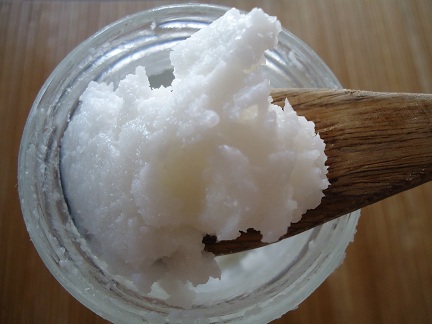
Well there I go again, taking another couple week hiatus from typing my articles.  I'm sorry folks, summer is just a busy time for me.  I just got back from the trip of a lifetime to Kauai, Hawaii.  That's right, for 8 days I was immersed in the warm Pacific ocean, the constant cool Hawaiian winds, and more sunshine than my skin knew what to do with.  And there were fruits everywhere!!!  Trees with papayas, mangos, bananas, and of course, coconuts.  I'll let you in on a little secret:  Coconut is probably my favorite fruit of all time.  Something about the taste of it is just so incredible, and so heartily satisfying.  Getting some fresh coconut meat in Hawaii was a dream come true.  But the coconut isn't like your average fruit.  It's nutritional properties are quite unique, and while its still an extremely healthy food, its healthy in a different way than most other fruits.  In fact, the coconut is composed mostly of a substance you wouldn't think sounds very fruity: 

FAT!!!  

That's right, coconuts are composed of mostly fat. And not just any old fat, but that super scary crazy spine tingling SATURATED FAT!!!  OMG!!!  Crazy right?  Now stop freaking out for a second and let me explain something.  This saturated fat is very, very, VERY good for you.  I've said a million times and I'll say it again:  fat doesn't make you fat.  The fat in coconuts not only gives the fruit an amazing taste, but it also does many positive things for your body.  The saturated fats in coconuts (or specifically the oil in coconuts) isn't a long chain fatty acid like we find so often in products made with hydrogenated oils, but instead are medium chain fatty acids which behave quite differently.  These fatty acids have been shown to have anti-oxidant properties, as well as the ability to speed up your metabolism.  That's right, eat fat to burn fat, sounds great doesn't it?


Now you may be remembering all those times you've heard that saturated fat will destroy your heart, clog up your veins, and in general destroy your circulatory system.  I'll say this right now:  there is no proof that the saturated fats in coconuts will cause any harm on bad cholesterol levels or overall heart health, and in fact there is much evidence to suggest the contrary.  Trans fats from hydrogenated oils are the real killers out there, not the natural saturated fats in coconuts.  In fact, by consuming the fats in coconuts, you're actually encouraging your body to use fat as an energy source, which may help you shed a few pounds.  And to all who are still in the dark about the powers of fat, it's an EXCELLENT energy source.  It's actually better than any carbohydrate, because it has more energy per unit of mass.  Cool, right?

But coconuts don't just stop at the fat benefits.  They're also rich with vitamins C, B1, B2, and B3.  This convenient vitamin package will help boost immune system health and support a fast burning metabolism which will keep you energized, strong, and of course, lean.  Coconuts are actually quite low in sugar compared to most fruits as well, which is a welcome change from the normal enormous insulin spike you get when eating apples, grapes, or bananas.  In terms of overall calories, coconuts are actually a very calorie dense food, and I bet you can guess why:  the fat of course!  This means they're an AWESOME energy source, but make sure you plan your daily diet accordingly, because a coconut could bump you over your daily caloric goals quite easily.  Here's the nutritional information for a coconut:

Nutrition Facts
Serving Size 1 cup of shredded
 
Amount Per Serving
Calories from Fat 241
Calories 283
 
% Daily Values*
Total Fat 26.79g41%
 Saturated Fat 23.758g119%
 Polyunsaturated Fat 0.293g 
 Monounsaturated Fat 1.14g 
Cholesterol 0mg0%
Sodium 16mg1%
Potassium 285mg 
Total Carbohydrate 12.18g4%
 Dietary Fiber 7.2g29%
 Sugars 4.98g 
Protein 2.66g 
 
Vitamin A 0%Vitamin C 4%
Calcium 1%Iron 11%
*
That's a bunch of calories, eh?  But don't be afraid, believe me it's worth it to fit coconut into your diet.  It's extremely good for you and tastes absolutely delicious.  It's definitely one of the most interesting fruits out there, and will always be one of my favorites.  But remember though, if you ever travel to Hawaii, or another place where coconuts grow rampant, that more people are killed each year by a coconut to the head than are killed by sharks.


And with that, I say, GOOD LUCK!

References:


Thursday, June 7, 2012

Healthy Fast Food?

Well my friends, I think it's about time I shared with you a quick little blurb on my favorite fast food.  That's right, I do eat fast food, though I don't think it resembles the greasy burgers and salty fries you're imagining.  In fact, I think it actually tastes a lot better than both of those, and is most definitely a lot more filling.  Oh, and you know if I'm writing about it, then it's actually legitimately HEALTHY!!!!  Too good to be true?  Not at all!


So where is this magical place?  Why, I'm sure it's in your nearest big shopping district.  It's called Panera Bread, and boy do they serve some good stuff.  Panera is famous for delicious salads, sandwiches, and a bakery that will put most others to shame.  The stores are well designed, modern, comfortable, and welcoming.  And while you may be screaming "NOT FAST FOOD!!!" -- you'd be dead wrong.  The food there is remarkably fast.  Often I place my order, get my little buzzer thing, and by the time I'm sitting down the darn thing is already going nuts (and scaring me half to death.)  Believe me, that food is speedy.  

You know what else is great about Panera?  They post caloric information right next to the menu items.  Now while you may be a little leary as to how accurate it really is, I believe they're required by law to put the same portions in each bowl in order to comply with those measurements, so you won't have to give or take too many calories from the stated number.  


Now keep in mind, NOT EVERYTHING in Panera is healthy.  In fact, you can get yourself into a lot of trouble with both the bakery (those pastries are incredible), and certain greasy sandwiches or cheesy soups.  Now don't get me wrong, everything tastes fantastic, but if you want to stay healthy, watch both the number of calories and the content of each sandwich, salad, or soup.  When I'm in Panera, I usually get the Thai Chopped Chicken Salad.  It's 470 calories for a GIANT bowl of tasty salad that's completely loaded with protein and healthy carbs.  Sure, the dressing is pretty sweet, but is completely manageable.  If you want to make it even better, take out the little Chinese noodles (as good as they taste.)  

Want a better idea of the nutritional information in Panera's food?  Here's a link to that exact information for your dieting knowledge:


I believe the best sandwich choices are:

Roasted Turkey and Avacado BLT (510 calories)

Smoked Turkey Breast on Country (420 calories)

And the best salad choices are:

Thai Chopped Chicken Salad (470 calories)

Poppyseed Chicken Salad (340 calories)

Asian Sesame Chicken (450 calories)

BBQ Chopped Chicken (500 calories)

As far as sides go, I'd suggest either an apple or whole grain baguette.  The chips are baked though, so they're not the worst thing going.  


Panera is definitely my favorite fast food joint.  If you keep your head on your shoulders and don't get tempted by the crazy chocolate stuffed croissants or cheesy, creamy soups, you can walk out of that place with a pretty healthy meal in your belly.  Remember folks, not all fast food is bad.

Enjoy your meals, choose wisely, and as always, GOOD LUCK!!!

Monday, April 2, 2012

Our Daily Eats "Spicy Maple Pepitas" *Review*


I'm back with another fantastic snack that I've recently had the pleasure of stuffing my face with in every possible instance.  As you may or may not know by now, I like things with flavor, things that can kick you in the mouth a little bit with a spicy, sweet combination, yet keep your belly full and waist trim at the same time.  I don't come across store bought snacks that provide this unique feeling too often, yet today I'm pleased to say that a new food has graced my plate with its presence and given me something I truly enjoy.  They're made by a company called Our Daily Eats, and are named creatively "Spicy Maple Pepitas."

So what are these things exactly?  Well, they're pumpkin seeds to be exact.  Small ones, that are spiced up with cayenne pepper and maple syrup.  If that doesn't sound like a combination made in heaven, I don't know what does.  And as far as taste goes, these things really hit the spot.  They're exactly what you'd expect, spicy and interesting, yet deliciously sweet at the same time.  If you're not a huge spice fan, don't worry, these things don't burn, they just let you know they're there with a nice little twinge of flame.  And the maple syrup...well coming from Vermont you can already tell I'm a fan.  I love maple syrup, and I truly believe it is a PERFECT addition to these spicy little seeds.  Together they create a very unique taste that I believe you must taste ASAP.


But what about the actual nutritional profile of these seeds?  Well, as you know, I don't eat food that's not healthy/beneficial toward my body in some significant way, much less write a review on it.  And I'm pleased to announce that the nutritional profile on these pepitas is AWESOME!  Let's look a little closer, shall we?

Ingredients:  This is the first thing that caught my eye.  There aren't any chemical/artificial additives!  In fact, the only ingredients are: Pumpkin seeds, maple syrup, cayenne, and sea salt.  That's FANTASTIC!  Seriously, they don't even have any artificial sweeteners, or even added sugar (other than the maple syrup, which is considered a purely natural sweetener that is MUCH better for you than the granulated stuff).  Normally if you see salt on an ingredient list, you need to be wary of sodium content, but NOT THIS TIME!  We'll get more into that later.  But like I said, this list is short and sweet, and completely fulfills the claim "100% natural" that's boasted on the package.  PERFECT!  

Caloric content:  Now as we know, nuts and seeds tend to be very calorie dense, but they're also quite filling, so you're unlikely to go hog wild on such a product.  1/4 cup of this product has 125 calories, which is quite managable and is a PLENTY decent serving size if you're looking for a quick, midday snack.

Added Nutritional benefits:  As the package states, pumpkin seeds are quite rich with unsaturated fats and Omega-3 fatty acids, which you can pretty much always use more of.  They're extremely heart healthy, and lower your risk for heart disease or other cardiovascular health ailments if consumed on a regular basis.  They also help lubricate your joints and keep things sliding smoothly, keeping you mobile as age creeps onto all of us.  Pumpkin seeds are also very rich is minerals such as iron, zinc, and manganese, and have good helpings of vitamins C and E.

Sodium content:  Now usually you have to be wary of packaged nuts and seeds for their sky high sodium counts, but not this time.  In fact, per serving, there are only 85 mg of sodium, which is EXTREMELY low compared to most other similar products.  There's just enough salt there to support the delicious flavor, without causing that sodium level to skyrocket.  Awesome!

Entire Nutritional Information:

Serving Size: 1/4 Cup
Calories: 125
Total Fat: 5 g
   Saturated Fat: 1 g
   Trans Fat: 0 g
Cholesterol: 0 g
Sodium: 85 mg
Total Carbohydrate: 15 g
   Dietary Fiber: 0 g
   Sugars: 3 g
Protein: 1 g

So would I recommend this product?  ABSOLUTELY!  They're ridiculously delicious and are a great tool to either trim down or bulk up, or even just maintain your weight.  They're very healthy, and are a refreshingly powerful flavor compared to most other bland health food.  Just watch the serving size and you're golden.  Excuse me while I go and have another handful...


Eat healthy, stay creative, and as always, GOOD LUCK!

Saturday, March 31, 2012

Red Meat: Friend or Foe?


No matter your involvement in the health and fitness field, I'm willing to bet that at some point in your life you've heard that red meat does nasty things to your body.  It has been claimed to increase mortality rate in all sorts of ways, including increased risk of cancer, heart disease, and diabetes.  Those are some pretty hefty claims, all due to the good ol' moo cow.  But let's look at this a little more closely, and try to shed a light on red meat.  You may be surprised to discover that it's not the killer it's been made out to be.

Firstly, I know there have been many studies done on the correlation between red meat and increased mortality.  But every study I come across doesn't quite hold up to the claim that red meat is the actual reason the test subjects died an early death.  In fact, it's virtually impossible to prove that red meat is the reason for premature mortality.  Sure, it's associated.  But hey, if most of those test subjects were on the average American diet of fatty meat and high carb-loaded, chemical packed, sugary junk, then don't you think the latter might have had a bit to do with it?  And what about genetics?  There are just too many factors to blame it all on red meat.  Don't get me wrong, there's some bad red meat out there, but is all red meat inherently dangerous?  Heck no.  Let's look at what makes up the difference between healthy red meat, and the nasty crap.

First thing you should know.  When you eat an animal, you eat parts of what that animal has ingested.  You're getting a little taste of its diet history, and that may be good, or bad.  If you're eating venison, I wouldn't worry too much, as deer tend to have about the cleanest diets going.  If you're eating a cheap cut of beef though, I'd be a little wary, as most of the cheap stuff was fed feed corn and antibiotics on a daily basis in order to make the cows as big, meaty, and profitable as possible.  When fed corn, the cow puts on a lot of excess fat, which marbles (or interlaces) with the actual muscle, making the cuts absolutely delicious, but packed with saturated fat.  The antibiotics most cattle are given have two distinct purposes: First, they prevent the herd from contracting common diseases, and destroying profit.  Second, smaller doses actually cause the animal to gain weight, which INCREASES profit the farmer obtains at slaughter.  Cows are also given growth hormones which...well...cause growth.  All this equates to more meat and more money.


Unfortunately for us, these chemicals remain in the cuts of meat when we consume them, and they don't do our bodies any favor.  And THAT, my friend, is why red meat is bad for you.  There isn't any curse in the meat itself which causes health problems.  In fact, apart from the chemicals, red meat is actually very, very nutritious.

Protein:  Red meat is packed with protein, and has always been a favorite of the muscle building crowd.  In fact, lean ground beef is one of the most useful muscle building tools going.  A little less than a quarter pound of lean beef has about 25 grams of protein, which is pretty darn awesome.  Not to mention it's delicious, cheap, and readily available at almost any grocery store.  And to top it all off, the protein in red meat is very bioavailable, meaning your body can readily use that protein to rebuild muscle fibers with a high degree of efficiency.  Neat!

Vitamins and Minerals:  Surprisingly, red meat has a ton of vitamins and minerals that your body will love you for consuming.  It's extremely rich in B vitamins, and provides about 70% of the required value of B-12 in 100 grams.  It's also very rich in vitamin B-6, vitamin A, riboflavin, and niacin.  Red meat is also one of the best sources out there for both zinc and iron, and will provide about a quarter of the daily recommended value per serving.  Red meat is also extremely rich in selenium, providing about a fifth of the daily recommended value in one 100 gram helping.

Antioxidants:  That's right, red meat has antioxidants!  Actually, it's got a whole bunch, including generous amounts of glutathione, lipoic acid, carsonine, and anserine.  These substances have been proven to help maintain healthy blood sugar levels, act as "anti-aging" compounds, and help maintain healthy metabolic rate.

Fat:  Now you may think you know what's coming here, but prepare to be surprised.  Red meat doesn't just have saturated fat, in fact the majority of the fat in red meat is monounsaturated, and is of the same chemical construction as the healthy fats in olive oil.  It will lower LDL (bad) cholesterol and raise (HDL) cholesterol. The majority of the saturated fat in red meat is stearic acid, which will increase good cholesterol, but have no effect on bad cholesterol, resulting in only a small deficit in the "bad" direction.  The rest of the fat in red meat is polyunsaturated, and will lower bad cholesterol, and have no effect on good cholesterol.  All in all, about 70% of the fat in red meat is beneficial toward your desired cholesterol ratio.  Doesn't sound so bad, right?  Definitely not as bad as it's been made out to be.

So the real question is, how do you get all these health benefits without all the nasty hormones and fat associated with cheap cuts of beef?  What you need to look for in the grocery store is GRASS FED BEEF. Ground, grass fed lean beef is very low in unhealthy fats, packed with protein, and basically eliminates most of the marbled fat that exists within the meat itself.  Grass is a much healthier alternative for the cows, and by eating it the cows retain much less fat overall and build higher quality muscle.  The same can be said for pork, and you should look for grass fed, or pasture raised varities.  This will virtually ensure that the animal was healthier, and carrying less fat at the time of slaughter.

But wait, even if you choose a nice cut of grass fed meat, you're not out of the woods yet.  You should also make sure you look on the label for something like "no hormones" or "no antibiotics," to ensure you're getting meat WITHOUT all the nasty chemicals.  This will provide you with a healthy and fantastically delicious dinner which will definitely help you build some muscle and trim the fat.  Just be smart about your purchase, read the labels, know your red meat.

Here's a link to the FDA's list of labels that can be placed on food, and what you should look for depending on your goals:http://www.fsis.usda.gov/Factsheets/Meat_&_Poultry_Labeling_Terms/index.asp

Still scared of the myths you've heard about huge caloric content?  Let me brush that nonsense aside right now:


This is for lean, ground, grass fed beef.  Not bad at all.  I could fit that into so many diets I couldn't even come close to counting them all.  Don't be scared of red meat.

Hmmm...maybe I shouldn't have put this picture in...a little too cute...
Bottom line:  Red meat isn't inherently bad for you, and is in fact quite healthy in its natural state.  Don't be scared to eat it, and pay no attention to all the haters of red meat and all its glory.

Enjoy your food, love red meat, and as always, GOOD LUCK!


References:
http://www.eatthefatoftheland.com/red-meat.html
http://animalrights.about.com/od/animalsusedforfood/f/AntibioticsrGBH.htm
http://www.webmd.com/food-recipes/features/the-truth-about-red-meat

Thursday, March 29, 2012

Food Worship #13: Grapefruit


I am a huge fan of the grapefruit.  If given the opportunity, I'll eat at least two a day, sometimes more.  They're juicy, delicious, filling, packed with nutrients, and HUGE.  They're a fantastic source of natural sugars, and boy do they taste great.  Many of you are probably familiar with the grapefruit as a breakfast food, and probably remembering preparing it by sawing it in half, adding some sugar, and digging in with a spoon.  But did you know that eating these things as you would an orange works just as well?  A ripe grapefruit is plenty sweet on its own, and if you can eat one in its natural state (without the added sugar) you're doing your body a TON of good.  And as I always do with this article series, let's look a little closer at the grapefruit.

Firstly, where does this thing even come from?   Well, it's a subtropical citrus fruit, and actually the largest producer of grapefruits in the world is our own United States of America (obviously in the more southern parts, where it stays a little bit warmer.)  The actual tree that sprouts these remarkable fruits is an evergreen tree, which to me seems somewhat strange, but then again nature always seems to confuse me at least slightly.  Grapefruits generally come in three main varieties, containing either red, white, or pink flesh.  I've only tried the first and the last, and I can say both are absolutely heavenly.  But what makes the grapefruit so darn healthy?  Let's explore a few of the unique health beneficiaries a grapefruit possesses.


Antioxidants:  The grapefruit is packed with a large amount of the very beneficial antioxidant lycopene, which can help to protect your cells from oxidative damage from free radicals.  This means grapefruit has an anti-carcinogenic effect, which I'll take any day of the week.  In fact, a study was recently done on a large group of men, and it was found that men who consumed foods rich in lycopene (such as grapefruits, tomatoes, etc.) had an 82% less chance of contracting prostate cancer.  That's pretty amazing.

Lowers Cholesterol:  Grapefruits have the fantastic ability to significantly lower cholesterol levels.  They contain a type of fiber called pectin which slows the process of atherosclerosis, which in layman's terms means that consumed high cholesterol foods are less effective at raising LDL or "bad" cholesterol.  Red grapefruit also lowers blood triglycerides, another nice benefit to get whenever you can.

Low Calorie:  Surprisingly, despite grapefruits being so large, they're actually a low calorie fruit.  Even the big ones only have about 100 calories, which is fantastic if you want a nice, filling meal without all the calories you're trying so desperately to avoid in your quest for a slimmer waist.  And believe me, a grapefruit can really bulk up a meal.  They're loaded with water, meaning they're very filling.  After you eat an entire grapefruit, you'll more than likely stay satisfied until your next scheduled meal, meaning it's much easier to stay on track with your diet.

Vitamins/Minerals:  Grapefruits are packed with these little guys, and everyone will do your body and mind a whole-lotta good.  Probably the most significant vitamin in grapefruit is vitamin C.  A grapefruit has a whopping 70% of your daily vitamin C, which besides being a great immune system booster also has awesome anti-inflammatory and anti-oxidant effects.  Honestly, the more you can get, the better.  Grapefruit is also very rich in vitamins A, B5, and B1.  In terms of minerals, grapefruit is a great source of potassium.

Fiber:  Last but not least, grapefruits, like most fruits and veggies, are packed with fiber.  This stuff is extremely important to get a lot of, and will help to keep your digestion system healthy as well as provide a full, satiated feeling for hours on end.  That's a pretty sweet double whammy.


So there you have it, a little look at a pretty hefty fruit.  As I've said many times before, I LOVE grapefruits and eat them on a regular basis.  I suggest you do the same, as they give a great energy boost and have a TON of healthy features inside that peel.  What are you waiting for?  Go pick some up and enjoy!

Keep peeling, munching, and living healthy.  GOOD LUCK!


References:
http://en.wikipedia.org/wiki/Grapefruit
http://www.whfoods.com/genpage.php?tname=foodspice&dbid=25

Sunday, March 25, 2012

Pure Pro 50 *Review*


I'm coming to you today with another rave review, this time regarding a pre-packaged protein shake that really impressed me.  This weekend I spent two days in the gym with my coach, working high volume days with pretty heavy loads.  I'd say I worked out for a total of 6-8 hours over those three sessions, and boy was my entire body feeling it after just the first one.  I was spending the night in the gym, and was going to be completely on my own for breakfast.  I knew I needed something protein packed as soon as I woke up to feed my muscles quickly after the crazy double session the previous day, and therefore that night I ran out to the local Rite-Aid and picked out the first protein shake I saw on the shelf.  After taking a quick glance at the nutritional label, I knew I'd come upon something very special.  This product not only has great macros, but tastes fantastic and works like a charm.  Its name?  Pure Pro 50 by ABB.

That next morning, as soon as I woke up, a sore and tired mess, I immediately cracked open this shake and prepared to chug it down (just in case it didn't taste so hot, as some canned shakes can be disgusting.)  But as soon as the first drop glanced across my tongue, I immediately threw all intentions of chugging it out the window, and instead savored this liquid goodness as well as I could.  The shake was thick, creamy, and extremely chocolatey (as it should've been, being the milk chocolate flavor).  I could definitely taste the thick milk used in the ingredients, which was an extremely refreshing change of pace from all the watery protein shakes I've had in the past.  Unfortunately the stuff was gone before I would've liked it to be, but throughout that day I noticed a resurgence of power through all my snatches, clean and jerks, and even my extremely high volume squats at the end of the workout, where I hit 105kg for four triples AFTER a total of 40 reps of varying lighter weights.  Thank goodness for that morning protein fix.

But what exactly had I just consumed?  More specifically, what's in Pure Pro 50 that makes it such an optimal shake for strength athletes?  Well, before I get going on why I love the nutritional breakdown of this shake, let me show you the nutritional label:


12/14.5 Fl. Oz. BottlesMilk Chocolate
Serving Size1Bottle(14.5fl oz)
Servings Per Container12
Amount Per Serving
Calories250
Calories From Fat20
% Daily Value*
Total Fat2g3%
Saturated Fat1g5%
Trans Fat0g
Cholesterol40mg13
Sodium90mg4
Potassium490mg14
Total Carbohydrate9g3
Dietary Fiber3g12%
Sugars3g
Protein50g
Vitamin A0%
Calcium100%
Vitamin C0%
Iron8%
* Percent Daily Values are based on a 2,000 calorie diet
Ingredients
Water, Protein Blend (Milk Protein Concentrate, Whey Protein Concentrate), Cocoa (Processed With Alkali), Natural And Artificial Flavors, Cellulose Gel, Sucralose, Cellulose Gum, Acesulfame Potassium, Carrageenan.
Allergen Information: Contains Milk Ingredients.


First and foremost, this stuff is PACKED with protein at a whopping 50 grams!  If that doesn't help those tired muscles recover, I don't know WHAT will.  And what I really like about this product is that it gets those proteins from various sources, including a quick digesting whey concentrate and a more slowly digesting milk protein concentrate.  This means that Pure Pro 50 will feed muscles both IMMEDIATELY and over an extended period of time, giving you a more complete recovery.


Second, this stuff is very low in both sugar and total carbohydrates!  I prefer low sugar protein sources, because once you start adding a ton of sugar you start to lose a lot of the support for lean muscle mass, and instead start coaxing your body to start storing some of those simple carbs as fat.  Now I know a lot of people out there say that you need fast acting carbs after a workout in order to force more protein into your muscles, but there have been multiple studies done refuting that claim.  Many EXTREMELY successful athletes don't supplement simple carbs after a workout, and if they do consume carbohydrates, they're usually a more complex carb like waxy maize, oats, or even vegetables (like sweet potatoes!)  You don't need sugar, and I'd much rather live without it.  The low total carbs in this product also promote its usage on low carb diets, and make it a much more versatile option for most people.

And on the subject of carbohydrates, Pure Pro 50 has 3 g of fiber!  That's AWESOME!  The more fiber you can get in your diet, the better.  Fiber helps digestion, allows your body to more effectively use the food it's been given, and helps to keep you lean.  Sweet!

Pure Pro 50 is also very low in sodium, and high in potassium, which is just what you want following a workout.  After working hard, your electrolytes have been severely depleted, and you need a decent dose of potassium to ensure your body can rehydrate effectively.  The fact that Pure Pro 50 takes this into account impresses me greatly.

And finally, Pure Pro 50 is very low in fat, with only 2 total grams, only 1 of which is saturated.  This is a perfect compliment to the average American's diet which is absolutely loaded with saturated fat.  Cut that crap out little by little, and I guarantee you'll like the results.

Now in terms of price, I have to say that these shakes become more fiscally feasible when consumed every now and then as a supplement to your normal protein powder.  They're relatively cheap on their own, but don't really become practical when bought in a 12 pack (like they're commonly sold in.)  It's between 40-50 bux for a 12 pack of Pure Pro 50, where as 4lbs of whey protein powder, which is about 50 servings, is around the same price.  12 vs. 50...hmmmm...I wonder which one I'd choose.

All in all though, Pure Pro 50 is a GREAT alternative to nasty canned shakes that are packed with sugar and lacking on the protein.  It's made with quality ingredients, has a great nutritional profile, is loaded with muscle building protein, and tastes absolutely DELICIOUS.  I would definitely recommend trying the milk chocolate flavor, boy was it yummy.  Who knows, you might get hooked on the stuff.  Thanks Pure Pro 50 for helping me recover from some of the craziest workout sessions of my life.