Showing posts with label good. Show all posts

Tuesday, August 7, 2012

Coconuts: A Peculiar Fruit

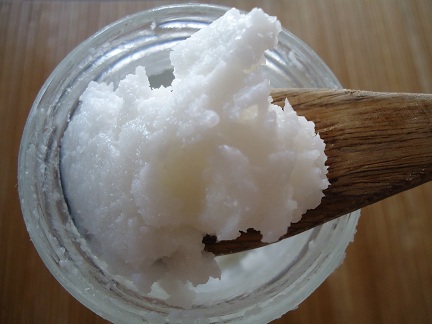
Well there I go again, taking another couple week hiatus from typing my articles.  I'm sorry folks, summer is just a busy time for me.  I just got back from the trip of a lifetime to Kauai, Hawaii.  That's right, for 8 days I was immersed in the warm Pacific ocean, the constant cool Hawaiian winds, and more sunshine than my skin knew what to do with.  And there were fruits everywhere!!!  Trees with papayas, mangos, bananas, and of course, coconuts.  I'll let you in on a little secret:  Coconut is probably my favorite fruit of all time.  Something about the taste of it is just so incredible, and so heartily satisfying.  Getting some fresh coconut meat in Hawaii was a dream come true.  But the coconut isn't like your average fruit.  It's nutritional properties are quite unique, and while its still an extremely healthy food, its healthy in a different way than most other fruits.  In fact, the coconut is composed mostly of a substance you wouldn't think sounds very fruity: 

FAT!!!  

That's right, coconuts are composed of mostly fat. And not just any old fat, but that super scary crazy spine tingling SATURATED FAT!!!  OMG!!!  Crazy right?  Now stop freaking out for a second and let me explain something.  This saturated fat is very, very, VERY good for you.  I've said a million times and I'll say it again:  fat doesn't make you fat.  The fat in coconuts not only gives the fruit an amazing taste, but it also does many positive things for your body.  The saturated fats in coconuts (or specifically the oil in coconuts) isn't a long chain fatty acid like we find so often in products made with hydrogenated oils, but instead are medium chain fatty acids which behave quite differently.  These fatty acids have been shown to have anti-oxidant properties, as well as the ability to speed up your metabolism.  That's right, eat fat to burn fat, sounds great doesn't it?


Now you may be remembering all those times you've heard that saturated fat will destroy your heart, clog up your veins, and in general destroy your circulatory system.  I'll say this right now:  there is no proof that the saturated fats in coconuts will cause any harm on bad cholesterol levels or overall heart health, and in fact there is much evidence to suggest the contrary.  Trans fats from hydrogenated oils are the real killers out there, not the natural saturated fats in coconuts.  In fact, by consuming the fats in coconuts, you're actually encouraging your body to use fat as an energy source, which may help you shed a few pounds.  And to all who are still in the dark about the powers of fat, it's an EXCELLENT energy source.  It's actually better than any carbohydrate, because it has more energy per unit of mass.  Cool, right?

But coconuts don't just stop at the fat benefits.  They're also rich with vitamins C, B1, B2, and B3.  This convenient vitamin package will help boost immune system health and support a fast burning metabolism which will keep you energized, strong, and of course, lean.  Coconuts are actually quite low in sugar compared to most fruits as well, which is a welcome change from the normal enormous insulin spike you get when eating apples, grapes, or bananas.  In terms of overall calories, coconuts are actually a very calorie dense food, and I bet you can guess why:  the fat of course!  This means they're an AWESOME energy source, but make sure you plan your daily diet accordingly, because a coconut could bump you over your daily caloric goals quite easily.  Here's the nutritional information for a coconut:

Nutrition Facts
Serving Size 1 cup of shredded
 
Amount Per Serving
Calories from Fat 241
Calories 283
 
% Daily Values*
Total Fat 26.79g41%
 Saturated Fat 23.758g119%
 Polyunsaturated Fat 0.293g 
 Monounsaturated Fat 1.14g 
Cholesterol 0mg0%
Sodium 16mg1%
Potassium 285mg 
Total Carbohydrate 12.18g4%
 Dietary Fiber 7.2g29%
 Sugars 4.98g 
Protein 2.66g 
 
Vitamin A 0%Vitamin C 4%
Calcium 1%Iron 11%
*
That's a bunch of calories, eh?  But don't be afraid, believe me it's worth it to fit coconut into your diet.  It's extremely good for you and tastes absolutely delicious.  It's definitely one of the most interesting fruits out there, and will always be one of my favorites.  But remember though, if you ever travel to Hawaii, or another place where coconuts grow rampant, that more people are killed each year by a coconut to the head than are killed by sharks.


And with that, I say, GOOD LUCK!

References:


Saturday, July 7, 2012

Eat Fat Get Thin


OK, just a warning, I'm about to blow your mind.  That's right.  You will soon be so astounded that you may have to rethink all you thought you knew about dieting, losing weight, and gaining muscle.  Also, what I'll say kind of goes against some advice I've been giving (but not really) so far.  Are you ready?  Are you sure?  You say yes...but I'm still thinking you're going to be pretty surprised.

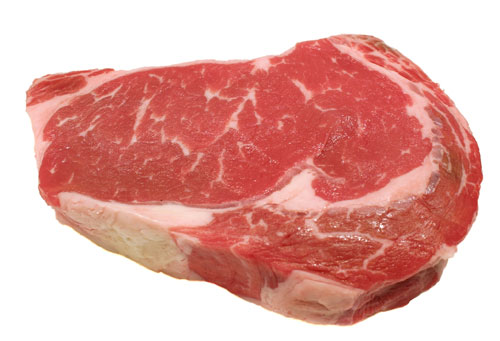
Remember when people told you to eat only lean meats?  How about when your mother and father told you at the dinner table to cut off all that fat on the side of the steak?  That globby white stuff that was so delicious, yet everything you ever read said that it would kill you?  Destroy your heart?  Clog your veins?  REMEMBER THAT??

Well I'm here to tell you that...surprise surprise..............THEY'RE WRONG!!!!!!  THAT STUFF IS ACTUALLY GOOD FOR YOU!  Imagine with me for a second.  Your distant ancestors, the cavemen of ancient times, survived on meat, and lots of it.  There was no sort of "dieting" going on back then.  If you were a vegetarian, you died.  If you refused to eat meat because it wasn't "lean" enough, you died.  You ate when there was food.  That's that.  Now cavemen didn't live very long, I'll give you that, heck their lifespan was only about half of what ours is now, at best.  But evidence shows that's not because of their diet, its more because of, well, predators, disease, and other misfortunes either brought on by nature or...stupidity.  In fact their diets were pretty darn good for what they needed to do, which was a LOT in one day.  Run, hunt, swim, climb, jump, run some more, all on nothing but raw foods and meats.  Not so bad, eh?


And when it comes down to it, the men of ancient days ate a LOT of saturated animal fat.  Did it cause them heart attacks and clogged veins?  Nope.  Saturated animal fat is a remarkably powerful source of energy, and kept them running hard all day.  And despite people thinking it'll clog your system and kill you in a few years, they're completely wrong.  It's a complete MYTH that saturated animal fat destroys your heart and circulatory system, as is summed up conveniently in this quote:

"A hundred years ago, fewer than than one in one hundred Americans were obese, and coronary heart disease was unknown."

One hundred years ago, people WEREN'T cutting the fat off their meat.  Foods were more natural, more pure, more RAW.  cholesterol levels were low, plaque in the veins didn't stick, and hearts beat more strongly.  It's simple, yet baffling at the same time.  But remember this:  People with the highest amount of saturated fat in their diet actually have the lowest risk of heart disease.  CRAZZYYY...RIGHT?

So why is saturated animal fat actually good for you?  Well instead of getting deeply into everything, I'll just list a few immediate benefits.  Saturated animal fat has been PROVEN to promote a healthy circulatory system, support immune system strength, allows for skin to remain healthy and vibrant, is an EXCELLENT energy source, and also.....here's the kicker...PROMOTES WEIGHT LOSS.

So if this stuff is so great, why are we so afraid of it?  Well in the 90's, there was a big movement called the "fat scare."  Just because the word fat means both a state of unfortunate bodily situation AND is a piece of food composition, food companies linked them up and began marketing "low fat" foods to get more customers.  They took fat out, sure, but guess what they put in instead.  Highly refined carbohydrates such as starches and sugars.  THOSE are what made America fat.  Yes, that's right, carbs make people fat, not fat itself.  Now remember I'm not against carbs, not by a long shot.  But if you're going to eat carbs, make sure they're quality, complex carbs.  Whole wheats and grains, as unrefined as possible.  Ya feel me?


Now time for the disclaimer.  Notice how the main subject of this article is saturated ANIMAL fat, not just saturated fats in general.  When it comes to sat fats, they are not all created equal.  Processed, man made fats do not have the same kind of benefit as the pure saturated fats from animal meat.  In fact, many processed fats WILL raise your bad cholesterol and CAN lead to heart problems.  Avoid trans fat and other processed foods rich in saturated fat, as they will do you no good.

So how would I suggest you change your diet?  Well, first of all, don't go crazy.  Don't worry about eating some of the fat on that dinner meat, as it will only do you good when kept within calorie limitations.  Now remember that fat is a great energy source for a reason, which is that it contains the most caloric content per unit of mass.  What does this mean?  That means that if you have 6 oz of super lean chicken, and 6 oz of fatty beef, the fatty beef will have more calories and less protein, as some of the mass is taken up by fat instead of muscle.  Make sense?  This means that if you're looking for the largest protein content, lean meats are still the way to go.  Does this mean that you should be afraid of the fatty meat?  I think we've already covered this........no you shouldn't.  It all just depends on what you want.

So there.  Your mind is blown.  Now go eat some fat.

GOOD LUCK!!!!


References:
http://yuru.com/blog/2011-01-were-cavemen-healthier
http://articles.mercola.com/sites/articles/archive/2011/09/01/enjoy-saturated-fats-theyre-good-for-you.aspx
http://articles.mercola.com/sites/articles/archive/2010/10/22/coconut-oil-and-saturated-fats-can-make-you-healthy.aspx


Tuesday, June 12, 2012

Cytosport Muscle Milk Bottles *Review*


As most of you probably know by now, I'm a HUGE connoisseur of protein supplements.  Whenever I get the chance, I try out something new on the shelf and see how it compares to what I've already had.  The other day I ran out of Combat Powder, and needed a quick, single day replacement for post workout nutrition.  I drove over to Walgreens, walked up to the refrigerator and grabbed a bottle of Chocolate Muscle Milk by Cytosport.  After my workout, I chugged that sucker down, and well.....here's my review of the stuff:

Taste:  The chocolate version tasted great!  Sure, it wasn't the best protein I've ever had, but it wasn't far off, especially for a single dosage.  It's very thick and filling, and tastes like a real and substantially chocolatey shake.  Not hard to drink at all, and honestly it tasted good enough that I wished I had more.  The chocolate flavor is very potent, and doesn't taste very "chemical" at all (as some other proteins do.)  Reminded me of a brownie, even though it's been years since I've had one of those.  I will say though that I'm not a very picky person, and can appreciate most forms of chocolate flavor.  You may be a little more discerning, but I can say that I'm quite confident you'd enjoy the beverage.

8/10 

Protein Content:  As far as the protein factor goes, the profile definitely isn't bad.  Is it the greatest protein source out there?  No.  But it's a good blend of many different proteins, including milk protein and a few types of whey.  The whey isn't amazingly refined, so I assume it won't absorb quite as quickly as a heavily filtered whey isolate or hydrolyzed whey.  Still, unless you're splitting hairs, it's not a huge deal, in fact I think it's good to have a blend so that the protein will feed your muscles over a longer period of time.  One bottle has a total of 25 grams of protein, which isn't huge, but is enough.  Just to compare though, most powdered proteins will give you about 50 grams of protein for the same number of calories as in a bottle of Muscle Milk.  So you're not getting a super concentrated dose, but the amount of protein your body can absorb in one sitting isn't that impressive anyway, so it's not a big deal.  Overall, the protein is of medium to medium high quality, and there's a decent amount of it.

7/10

Other Nutritional Profile:  One thing I noticed right away about Muscle Milk is that it has an interestingly large fat dosage.  Cytosport calls in "functional fat," which I assume means that their marketing it as healthy fat.  One bottle has a total of 9 g of fat, 1.5 g of which is saturated.  I'm not completely sure, but I think the fat mostly comes from the milk, as well as the oil used in the ingredients.  I can't vouch for exactly how high quality the fats are, but let's just say they don't raise any red flags or scare me away.  

A 14 oz bottle of Muscle Milk has only 3 grams of sugar, which is quite low considering the very sweet taste.  There are artificial sweeteners used, but I have no problem with those, though some people might.  The ingredient list is quite long, which I usually don't like, but expected in this case because most protein shakes have quite a bit that goes into them.  

Here's the nutritional information right off of Cytosport's website (click to enlarge):


7/10

Price:  Not the cheapest stuff out there, but definitely not the most expensive.  One bottle is around 3 bucks, not a killer investment if you need some quick protein.  I'd only use it as a temporary replacement for powder though, because you generally get a LOT more bang for your buck with powder.

8/10

Name:  SUPER COOL!  I mean seriously, "Muscle Milk"?  That's AWESOME!  Wish I'd thought of it.  Sure beats "whey protein isolate," or "mass gainer."  It's like, 

"Hey George, whatcha drinking?"

"Oh, nothing special, just MUSCLE MILK!!!"

Love it!

10/10

Overall, would I recommend the ready to drink Muscle Milk 14 oz bottles?  As far as the chocolate goes, yes I definitely would.  It's a great replacement for a powder for a day or two, and is a viable post workout protein source.  It's got a good blend of protein types, tastes great, and won't break the bank.  If you get a chance, try a bottle!  Let me know what you think!

Lift hard, lift heavy, refuel, and as always, good luck!!!


Friday, May 25, 2012

Food Worship #14: The Kidney Bean

Sorry folks, I know it's been a while since you've heard from the Food Guru.  I've been quite busy, but finally have a little time to sit down and discuss with all of you another of my favorite foods.  As you may or may not know, I'm a huge fan of beans.  They're a fantastic source of carbohydrates, and are absolutely DELICIOUS.  They come in all shapes and sizes, and I could honestly go for a few days rambling on about each one regarding its benefits, nutritional value, and why YOU should be eating them.  But today, I must choose only one.  And so I've made it my second favorite, as I've already written about my number one (the chickpea, or garbanzo bean.)  Today's bean of choice is....*drum roll*.....the humble kidney bean.


These medium sized beans are a little bit funny looking, being shaped like, well, kidneys.  But I assure you, they're one of the best foods you could ever put in that ever improving body of yours.  Not only are they delicious, but they have a whole host of powerful health benefits that will without a doubt make you feel (and look) absolutely amazing.  As per the usual routine, I'll now provide several bulleted categories of beneficial aspects of the bean, as any professional blogger would (despite me not actually being professional...yet.)  Let's get started, shall we?

Fiber:  First and foremost, as with a LOT of beans, kidney beans are very rich in fiber.  Fiber can help lower cholesterol and greatly improves digestive health.  It also makes your body more efficient at digesting the other foods in your diet and utilizing the nutrients in each one.  In all honesty, you want to get as much fiber in your diet as you can, ESPECIALLY if you have a high protein diet (as any muscle-head would.)  Fiber is your friend.  One cup of kidney beans will have about 220 calories and a whopping 16 grams of fiber!  That is a LOT of fiber, and will do your body a LOT of good.

Complex Carbs:  If you're looking to build muscle and have long lasting, powerful energy throughout the entire day, you need a lot of good quality, slow digesting complex carbs. In terms of carbohydrates, you can't get much higher quality than kidney beans.  They'll provide your body with exactly the energy you need, and will promote muscle growth and glycogen replenishment.  Unlike sugary carbs, complex carbs will NOT provoke as aggressive insulin response by your body and therefore will allow you to avoid unnecessary fat gain.  Kidney beans are like high octane, awesome quality fuel for your body, so eat up!


Stabilize Blood Sugar:  Not only are fiber and high quantity of complex carbs an excellent source of digestive health and long lasting energy, they also both help stabilize blood sugar, leading to less fat gain (if you're bulking up), or easier fat loss (if you're slimming down.)  Low and stable blood sugar levels are crucial to a healthy diet and trim figure, especially as you age.  

Protein Packed:  Kidney beans are absolutely LOADED with protein.  One cup has about 14 grams of protein, and while the beans themselves don't provide a complete amino acid profile (the protein in the beans isn't immediately available to your body for muscle building), when the beans are combined with a good whole grain, the amino acid profile can be completed and you'll get all the benefits of that hearty, protein packed legume.  Want the guns to impress the ladies?  Grab yourself a can of kidney beans and dig in.  

Nutritional Profile:  To wrap the rest up into one little section, kidney beans have a great nutritional profile overall.  They're very low in saturated fat, very low in sugar, and of course, if you buy the right ones, are all natural.  I love the canned beans, which have all the same nutritional benefits, but unfortunately with a bunch of added sodium.  If you get canned beans (which again, is completely FINE), make sure to rinse them thoroughly before consumption to wash the majority of that salt right down the drain.  Easy enough, right?

Here's the nutritional information for canned kidney beans:

Nutrition Facts
Serving Size 1 cup
Amount Per Serving
Calories from Fat 8
Calories 218
% Daily Values*
Total Fat 0.87g1%
Saturated Fat 0.128g1%
Polyunsaturated Fat 0.484g
Monounsaturated Fat 0.069g
Cholesterol 0mg0%
Sodium 873mg36%
Potassium 658mg
Total Carbohydrate 39.91g13%
Dietary Fiber 16.4g66%
Sugars 0.56g
Protein 13.44g
Vitamin A 0%Vitamin C 5%
Calcium 6%Iron 18%
*Percent Daily Values are based on a 2000 calorie diet. Your daily values may be higher or lower depending on your calorie needs.

Nutrition Values are based on USDA Nutrient Database SR18
(Lots of sodium if left un-rinsed, so make sure to remember that step.)


All in all, kidney beans are a must-eat if you're at all concerned with health, fitness, or general well being.  They're absolutely delicious, and go well in all sorts of recipes.  Personally though, I love just eating them plain with some good spicy seasoning next to a piece of tilapia and some natural almonds.  YUMMY!  They're cheap, accessible, and ridiculously healthy.  Pick some up ASAP!


Love the kidney bean, a magical fruit, and as always, GOOD LUCK!


References:

Saturday, March 31, 2012

Red Meat: Friend or Foe?


No matter your involvement in the health and fitness field, I'm willing to bet that at some point in your life you've heard that red meat does nasty things to your body.  It has been claimed to increase mortality rate in all sorts of ways, including increased risk of cancer, heart disease, and diabetes.  Those are some pretty hefty claims, all due to the good ol' moo cow.  But let's look at this a little more closely, and try to shed a light on red meat.  You may be surprised to discover that it's not the killer it's been made out to be.

Firstly, I know there have been many studies done on the correlation between red meat and increased mortality.  But every study I come across doesn't quite hold up to the claim that red meat is the actual reason the test subjects died an early death.  In fact, it's virtually impossible to prove that red meat is the reason for premature mortality.  Sure, it's associated.  But hey, if most of those test subjects were on the average American diet of fatty meat and high carb-loaded, chemical packed, sugary junk, then don't you think the latter might have had a bit to do with it?  And what about genetics?  There are just too many factors to blame it all on red meat.  Don't get me wrong, there's some bad red meat out there, but is all red meat inherently dangerous?  Heck no.  Let's look at what makes up the difference between healthy red meat, and the nasty crap.

First thing you should know.  When you eat an animal, you eat parts of what that animal has ingested.  You're getting a little taste of its diet history, and that may be good, or bad.  If you're eating venison, I wouldn't worry too much, as deer tend to have about the cleanest diets going.  If you're eating a cheap cut of beef though, I'd be a little wary, as most of the cheap stuff was fed feed corn and antibiotics on a daily basis in order to make the cows as big, meaty, and profitable as possible.  When fed corn, the cow puts on a lot of excess fat, which marbles (or interlaces) with the actual muscle, making the cuts absolutely delicious, but packed with saturated fat.  The antibiotics most cattle are given have two distinct purposes: First, they prevent the herd from contracting common diseases, and destroying profit.  Second, smaller doses actually cause the animal to gain weight, which INCREASES profit the farmer obtains at slaughter.  Cows are also given growth hormones which...well...cause growth.  All this equates to more meat and more money.


Unfortunately for us, these chemicals remain in the cuts of meat when we consume them, and they don't do our bodies any favor.  And THAT, my friend, is why red meat is bad for you.  There isn't any curse in the meat itself which causes health problems.  In fact, apart from the chemicals, red meat is actually very, very nutritious.

Protein:  Red meat is packed with protein, and has always been a favorite of the muscle building crowd.  In fact, lean ground beef is one of the most useful muscle building tools going.  A little less than a quarter pound of lean beef has about 25 grams of protein, which is pretty darn awesome.  Not to mention it's delicious, cheap, and readily available at almost any grocery store.  And to top it all off, the protein in red meat is very bioavailable, meaning your body can readily use that protein to rebuild muscle fibers with a high degree of efficiency.  Neat!

Vitamins and Minerals:  Surprisingly, red meat has a ton of vitamins and minerals that your body will love you for consuming.  It's extremely rich in B vitamins, and provides about 70% of the required value of B-12 in 100 grams.  It's also very rich in vitamin B-6, vitamin A, riboflavin, and niacin.  Red meat is also one of the best sources out there for both zinc and iron, and will provide about a quarter of the daily recommended value per serving.  Red meat is also extremely rich in selenium, providing about a fifth of the daily recommended value in one 100 gram helping.

Antioxidants:  That's right, red meat has antioxidants!  Actually, it's got a whole bunch, including generous amounts of glutathione, lipoic acid, carsonine, and anserine.  These substances have been proven to help maintain healthy blood sugar levels, act as "anti-aging" compounds, and help maintain healthy metabolic rate.

Fat:  Now you may think you know what's coming here, but prepare to be surprised.  Red meat doesn't just have saturated fat, in fact the majority of the fat in red meat is monounsaturated, and is of the same chemical construction as the healthy fats in olive oil.  It will lower LDL (bad) cholesterol and raise (HDL) cholesterol. The majority of the saturated fat in red meat is stearic acid, which will increase good cholesterol, but have no effect on bad cholesterol, resulting in only a small deficit in the "bad" direction.  The rest of the fat in red meat is polyunsaturated, and will lower bad cholesterol, and have no effect on good cholesterol.  All in all, about 70% of the fat in red meat is beneficial toward your desired cholesterol ratio.  Doesn't sound so bad, right?  Definitely not as bad as it's been made out to be.

So the real question is, how do you get all these health benefits without all the nasty hormones and fat associated with cheap cuts of beef?  What you need to look for in the grocery store is GRASS FED BEEF. Ground, grass fed lean beef is very low in unhealthy fats, packed with protein, and basically eliminates most of the marbled fat that exists within the meat itself.  Grass is a much healthier alternative for the cows, and by eating it the cows retain much less fat overall and build higher quality muscle.  The same can be said for pork, and you should look for grass fed, or pasture raised varities.  This will virtually ensure that the animal was healthier, and carrying less fat at the time of slaughter.

But wait, even if you choose a nice cut of grass fed meat, you're not out of the woods yet.  You should also make sure you look on the label for something like "no hormones" or "no antibiotics," to ensure you're getting meat WITHOUT all the nasty chemicals.  This will provide you with a healthy and fantastically delicious dinner which will definitely help you build some muscle and trim the fat.  Just be smart about your purchase, read the labels, know your red meat.

Here's a link to the FDA's list of labels that can be placed on food, and what you should look for depending on your goals:http://www.fsis.usda.gov/Factsheets/Meat_&_Poultry_Labeling_Terms/index.asp

Still scared of the myths you've heard about huge caloric content?  Let me brush that nonsense aside right now:


This is for lean, ground, grass fed beef.  Not bad at all.  I could fit that into so many diets I couldn't even come close to counting them all.  Don't be scared of red meat.

Hmmm...maybe I shouldn't have put this picture in...a little too cute...
Bottom line:  Red meat isn't inherently bad for you, and is in fact quite healthy in its natural state.  Don't be scared to eat it, and pay no attention to all the haters of red meat and all its glory.

Enjoy your food, love red meat, and as always, GOOD LUCK!


References:
http://www.eatthefatoftheland.com/red-meat.html
http://animalrights.about.com/od/animalsusedforfood/f/AntibioticsrGBH.htm
http://www.webmd.com/food-recipes/features/the-truth-about-red-meat

Tuesday, March 13, 2012

Caveman Eats: The Paleo Diet


At some point along the line of human evolution, we must've done something wrong when it came to nutrition.  Or maybe, we did a whole BUNCH of things wrong.  I'm not exactly sure when wild meats and raw vegetables were replaced with processed, starchy foods, but I can promise you it was a dark day for health and fitness.  Sure, it's pretty obvious to see that we didn't mean to stray away from nature and all its goodness, and that new age processed food was seen as an advancement and modern convinience instead of a silent killer.  But wouldn't it be nice to get back to how things were, when all food was natural, and natural was good?

That ideal is exactly what the Paleolithic Diet tries to cater toward.  The "paleo diet," or "caveman diet" is basically a diet consisting of only foods that were available to the earliest of humans (alive in the paleolithic era, surprise surprise).  It's an interesting diet, and one that has quite a bit of potential in terms of health.  It also has quite the following in the health and fitness community, especially with crossfit athletes.  Some swear by it, saying that our bodies were never meant to consume more than what the paleo diet has to offer, and therefore filling your belly with paleo food is like filling your car with high octane gas.  Our body knows it, loves it, and runs with peak efficiency off of it.  But is it true?  And what foods exactly are in this caveman's buffet?

Meat:  Caveman say "ugh ugh me like meat!"  Seriously, this diet definitely encourages the consumption of lean meats from almost any source, such as beef, pork, chicken, buffalo, alligator, rabbit, and pretty much anything else you can think of.  Personally, I don't really know about paleolithic humans and if they had cows or not, but I do really like this aspect of the diet.  Lean meat is completely essential for the body as far as nutrients go, and the strong suggestion of lean meat consumption really helps to place this diet as a more favorable one for avid gym-goers.


Fish:  The paleo diet is packed with fish and shellfish too, which I LOVE.  Salmon, shrimp, crab, tuna, lobster, mackeral, you name it, you can probably eat it on the paleo diet.  These fish are not only an incredibly dense protein source, they're also very low calorie and packed with heart healthy omega-3 fatty acids.  Awesome!

Vegetables:  The paleo diet says you can eat pretty much any vegetable, as long as it's not starchy (like potatoes, yams, etc).  The diet pushes more for the raw consumption of these veggies, though obviously with modern commodities like ovens, microwaves, stovetops, etc, it's easy to make some pretty awesome recipes from the veggies and meats allowed on the diet.  Again, I'm very supportive of this part of the diet.  VEGETABLES RULE!

Fruits:  Any fruit you can think of is allowed on the caveman diet.  Early humans were supposedly able to easily pick off of trees and bushes, and therefore wouldn't be limited in what they could eat in terms of fruits.  Sounds great to me, I love fruit!  It's an incredible energy source and tastes absolutely delicious.  Who doesn't love a little natural sugar?

Nuts and Seeds:  According to the paleo diet, early humans were large consumers of many different nuts and seeds, and therefore foods like chestnuts, cashews, pumpkin seeds, sunflower seeds, walnuts, macadamia nuts, pine nuts, and sesame seeds are all encouraged on the paleo diet.  However, make sure to note that peanuts are NOT a nut, but actually a legume, which aren't allowed on the paleo diet.


Foods that AREN'T allowed on the paleo diet include:

Dairy foods: Again, according to the paleo diet (I'm not going off any sort of history source here other than what the diet claims), early humans wouldn't have been able to harvest or produce any sort of dairy products such as milk, cheese, or cream.  Because of widespread lactose intolerance, it's easy for paleo dieters to claim that our bodies haven't fully adapted to dairy products as an energy source.  I personally don't like this aspect of the diet, as I do believe that dairy has very large health benefits in the average individual.

Grains:  That's right, you heard me clearly, NO GRAINS on the paleo diet.  This means no oats, no amaranth, no quinoa, no rye, no rice, and no WHEAT.  That may sound strange to any sort of health nut, but paleo dieters claim early humans wouldn't have been able to create processed grains through any sort of method, and therefore we shouldn't consume them for an energy source.  I strongly disagree with this part of the diet. Oats and grains have extreme health benefits, and are an absolutely excellent source of long lasting, slow burning, complex carbohydrates.


Legumes:  This means beans.  No beans.  No peanuts, no chicpeas, no black beans, no green beans, no red beans, and no peas of any sort.  I don't like this part of the diet either, beans are an excellent source of plant protein and other important macro nutrients.

Starchy vegetables:  This means no potatoes or yams, or sweet potatoes, or tubers.  This basically kicks all bodybuilders out of the equation, because sweet potatoes are probably the main muscle building carb of choice, along with brown rice (which also isn't allowed).

Fatty meats: Bacon, fatty beef, fatty pork, etc.  Get the picture?

Also not allowed on the paleo diet are any sort of sweets or soft drinks, as they contain TONS of refined sugars and chemicals that cavemen certainly would NOT have had access to.  This aspect of the diet is quite useful in my honest opinion, as is any excuse to eliminate sweets from a diet.  Your body will perform much more efficiently with lower amounts of refined sugar, not to mention you'll be a MUCH more healthy person as a whole.

Here is a complete list of foods that are and aren't allowed in the paleo diet:  http://altmed.creighton.edu/Paleodiet/Foodlist.html

So here's the question, is the paleo diet a good choice, or a bad choice?  Personally, I give it a split decision.  There are aspects I REALLY like, and aspects I REALLY don't like.  It's great to focus on lean meats, vegetables, and seeds, but not so great to kick out dairy and grains.  Now let me be the first to say that their reasoning for doing so is deep and study-riddled, and wasn't just for the hell of it, so I'm not going to say they have no idea what they're doing.  Clearly they do, at least to a certain degree.  But I believe keeping grains and dairy in a diet is a much better choice for the average individual.  But hey, I guess don't knock it till you try it, right?  Many people have claimed PHENOMENAL body performance off of the paleo diet, and therefore for some people, it works.  Everybody's different, and everyone will respond differently to various food patterns.


The paleo diet is truly a unique approach to dieting, and in some ways it's a refreshing attempt to bring back the days when food was much simpler.  Give it a shot if you like, it definitely won't hurt you.  See how your body responds.  You never know, a caveman's life may be the life for you.

Eat clean, live simply, and as always, GOOD LUCK!

Tuesday, December 6, 2011

Stretching: Before or After?


We all have our little routines at the gym, a nice mental checklist to follow so we can get in and get out having accomplished everything we needed to in order to feel good for the rest of the day.  I see people all the time come in to the gym, lace up those shoes, put on that sweatband, fire up that ipod, and head right over the stretching mat, where they tend to contort themselves for a good 5-10 minutes before hopping right on the elliptical and pumping away an hour.  Chances are you've seen similar things, if you're at the gym for any reasonable amount of time.  Is there anything wrong with it?  It doesn't appear so, but if you follow a similar routine (and don't be ashamed, as thousands upon thousands do), you might actually be hindering your workout performance without even realizing it.

How the heck are you doing that?  Stretching.  Specifically, static stretching.  This involves placing a leg or an arm or a foot or hand or WHATEVER in a position that lengthens the respective muscle to its highest tolerance, then putting pressure on it to go slightly further.  The pressure/light pain you feel is the stretch, and over time it can dramatically increase flexibility.  This is a good thing.  So what are most people doing wrong then?  

They static stretch BEFORE they work out.  Believe it or not, this is a big no-no.  Static stretching before a workout can actually decrease overall muscular strength by UP TO 30%!!!  Wow!  What the heck?  How's that possible?  I thought static stretching before a workout helped!  That's what everyone told me! 

And you'd have a valid point, because it's pretty common knowledge to stretch before working out.  But why should you work hard to break this trend?

Well you see, when you static stretch, you will be forcing your muscle to stretch further than it has before, and at the same time you're also basically de-loading your muscles, forcing them into a state in which they cannot contract with nearly as much intensity as was previously possible.  It's like stretching a rubber band, and holding it at near breaking point for an extended period of time.  When you finally do release the tension, it might be a little longer, thinner, and less springy overall.  It has lost a lot of strength, and so have you.  

And there's something else too, which can also be explained with a little rubber band analogy.  Imagine sticking a rubber band in the freezer for a while.  Now, after a few hours, take it out, and try to stretch it.  I bet it'll snap almost instantly.  That freezer represents your average lifestyle activities, slow, monotonous, and cold.  It may even represent sleep, where you are most likely at a state of zero movement.  Your muscles aren't being used, and so in a way they "freeze" into very inflexible positions.  Now imagine trying to stretch cold muscles, just like you tried to stretch that rubber band.  Doesn't sound like a good idea, does it?  It sure isn't!  And most likely, eventually you'll get the same result.  You'll experience a muscle tear.  So why do you go into the gym and stretch those cold muscles to the breaking point day in and day out?

  Bottom line: Don't static stretch pre-workout.

However after a workout, static stretching is a great idea!  Your muscles are warm, you're through with using them, and if you just let them sit in their tired, spastic state, you'll most likely LOSE flexibility.  So stretch them out!  It's been shown in all sorts of studies that those who stretch post-workout are most likely to avoid future injury.  It's a pretty simple concept, right?  

But there MUST be something you can do pre-workout, right?  I mean you don't just expect to hop on that elliptical without some sort of warmup?  Good news for you, there's a different kind of stretching that will not only warm up your muscles, but won't stretch them to the breaking point or lose you strength.  These kinds of stretches are called dynamic stretches or ballistic stretches.  They involve stretching muscles through movement, encouraging them to activate and work at their highest potential.  It's much easier to show rather than tell about dynamic stretches, so here's a YouTube video that goes through a great pre-workout dynamic stretch routine.


(By the way, that guy is probably one of the strongest and fittest and most shredded on all of youtube, and is sponsered by several high end supplement brands, so I definitely trust his word, or lack of them, on most things.  Check his videos out, verrryyy inspirational.)

I will vouch for dynamic stretching all day long, and it's exactly what I do before every Oly-lift workout.  Warm up those hips, legs, shoulders, back, arms and neck.  You want to stay loose and primed for any sort of upcoming activity.  

Oh, and make sure you take time to actually do a routine somewhat like the one above.  It's worth it, and can prevent injury.  And believe me, you DON'T want to be injured.  


Stay loose, stay flexible, and good luck!

Wednesday, November 16, 2011

Canned Fruit: The Good and The Bad


It's a pretty common story.  You buy a bunch of fruit for your new, healthy diet (good for you!), and stick it on your counter in a nice, decorative bowl.  However you don't end up eating it as fast as you had originally planned, and it ends up sitting for just a little too long.  In the end you have to throw out a good quarter of the fruit because of that nasty fruit rot.  What a waste!  How the heck can you get more time out of that healthy, delicious fruit?

Can it!  Canned fruit will last, for all intensive purposes, indefinitely.  It's cheap, tastes great, and is readily available at your local grocery store.  Fruits don't lose any sort of nutritional benefit upon being canned.  They may lose a little of their original texture, but once you get past that you're virtually golden.  What a great way to get more of those essential vitamins and other nutritional benefits back into your diet!

BUT HOLD ON!  Don't run out to your grocery store and buy a whole cartload of canned fruit just yet.  There are a few little things that you should be aware of before splurging on canned fruit.  When it comes to the cans, not all are created equal.  NOT BY A LONG SHOT.  How is this possible?  Well, it's actually quite simple.  Some canned fruit is canned in syrup (either heavy or light), and some is canned in the natural juice of the fruit.  I'll give you one wild guess as to which one is better for you.  I'll even give you a hint...it's not the syrup, and here's why:

Canning syrup isn't composed of much except a whole BUNCH of added sugar.  This is something you really don't need, especially if you're trying to keep blood insulin levels low and your body from storing excess fat.  To give an example of what I mean, here are the nutritional facts for three different varieties of canned peaches:  

Peaches Canned In Fruit Juice:

Nutrition Facts
Calories 43(180 kJ)
% Daily Value 1
Total Fat0g0%
Sat. Fat< 0.1g< 1%
Cholesterol0mg0%
Sodium4mg< 1%
Total Carbs.11.4g4%
Dietary Fiber1.3g5%
Sugars10.1g
Protein0.6g
Calcium5.9mg
Potassium125.4mg

Peaches Canned In Light Syrup:

Calories 53(221 kJ)
% Daily Value 1
Total Fat0g0%
Sat. Fat< 0.1g< 1%
Cholesterol0mg0%
Sodium5mg< 1%
Total Carbs.14.3g5%
Dietary Fiber1.3g5%
Sugars13g
Protein0.4g
Calcium2.9mg
Potassium95.1mg

Peaches Canned In Heavy Syrup:  

Nutrition Facts
Calories 73(303 kJ)
% Daily Value 1
Total Fat< 0.1g< 1%
Sat. Fat< 0.1g< 1%
Cholesterol0mg0%
Sodium6mg< 1%
Total Carbs.19.5g7%
Dietary Fiber1.3g5%
Sugars18.3g
Protein0.4g
Calcium2.9mg
Potassium90.2mg
Note that all these nutrition facts are for a 3.5oz serving.  

Wow, 8 extra grams of sugar between heavy syrup and fruit juice?  That's pretty impressive.  And considering that's only about half a can, by the end of it all you'll be getting 16 grams more sugar than you would if you were eating raw peaches canned in their natural juices!  That's ridiculous honestly, nobody needs that much extra sugar, especially in fruit.  With fruit, you want to look for sources that are as truly natural as possible, filled with all the fiber, simple carbs, and vitamins and minerals you need.  While it's true that canning may alter the vitamins you take in slightly, there's no reason that canned fruit has to be any less nutritious.  Here's how to avoid all that extra sugar:

Remember my favorite phrase?  Well here it comes again.  READ THE INGREDIENTS!!!  It's pretty obvious which varieities of canned fruit are the ones filled with syrup.  They will either say.

-"Made with/packed in heavy/light syrup" right on the front (look a little harder for this title, it may not be quite as visible)

-Or on the ingredients, it might say "sugar."  Simple right?  That means there's added sugar on top of all the natural sugar in the fruit already.  Steer clear!  

-To determine that there isn't any added sugar/syrup, look first on the front of the can for phrases like "packed in fruit juice" or "no added sugar."  These are good indications that the fruit is packaged only in its natural juices with no sugary syrup surrounding it.

-Look again on the ingredients.  If it says anything other than the fruit, the fruit juice, and maybe some water, you know there's something fishy.  Raw, canned fruit will have an extremely simple ingredient list.  

-Look for other forms of sugar on the ingredient list.  If it has something like glucose, fructose, dextrose, or sucrose, come to think of it pretty much anything ending with "ose," then there's a good chance it has added sugar.  

-Watch for calories!  If you think that a particular can of fruit has an unusually large amount of calories for being well, fruit, then there's a good chance there's added sugar.  Take a second to look at the calorie figures posted above, notice how the fruit juice variation has 40 less calories per 3.5 oz.  The more natural the fruit, the fewer calories.  Keep that in mind!

So that's it!  I'll suggest fresh fruit over canned fruit all day long, but I understand the need to have long lasting food that has no risk of spoiling before you get to enjoy it.  Just be careful with your canned purchases, and enjoy all the nutritious benefits of a fruity snack!

Be scrutinous, watch for sugar, and as always, good luck!