Showing posts with label ripped. Show all posts

Tuesday, August 7, 2012

Coconuts: A Peculiar Fruit

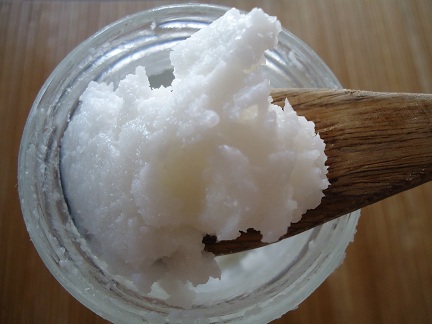
Well there I go again, taking another couple week hiatus from typing my articles.  I'm sorry folks, summer is just a busy time for me.  I just got back from the trip of a lifetime to Kauai, Hawaii.  That's right, for 8 days I was immersed in the warm Pacific ocean, the constant cool Hawaiian winds, and more sunshine than my skin knew what to do with.  And there were fruits everywhere!!!  Trees with papayas, mangos, bananas, and of course, coconuts.  I'll let you in on a little secret:  Coconut is probably my favorite fruit of all time.  Something about the taste of it is just so incredible, and so heartily satisfying.  Getting some fresh coconut meat in Hawaii was a dream come true.  But the coconut isn't like your average fruit.  It's nutritional properties are quite unique, and while its still an extremely healthy food, its healthy in a different way than most other fruits.  In fact, the coconut is composed mostly of a substance you wouldn't think sounds very fruity: 

FAT!!!  

That's right, coconuts are composed of mostly fat. And not just any old fat, but that super scary crazy spine tingling SATURATED FAT!!!  OMG!!!  Crazy right?  Now stop freaking out for a second and let me explain something.  This saturated fat is very, very, VERY good for you.  I've said a million times and I'll say it again:  fat doesn't make you fat.  The fat in coconuts not only gives the fruit an amazing taste, but it also does many positive things for your body.  The saturated fats in coconuts (or specifically the oil in coconuts) isn't a long chain fatty acid like we find so often in products made with hydrogenated oils, but instead are medium chain fatty acids which behave quite differently.  These fatty acids have been shown to have anti-oxidant properties, as well as the ability to speed up your metabolism.  That's right, eat fat to burn fat, sounds great doesn't it?


Now you may be remembering all those times you've heard that saturated fat will destroy your heart, clog up your veins, and in general destroy your circulatory system.  I'll say this right now:  there is no proof that the saturated fats in coconuts will cause any harm on bad cholesterol levels or overall heart health, and in fact there is much evidence to suggest the contrary.  Trans fats from hydrogenated oils are the real killers out there, not the natural saturated fats in coconuts.  In fact, by consuming the fats in coconuts, you're actually encouraging your body to use fat as an energy source, which may help you shed a few pounds.  And to all who are still in the dark about the powers of fat, it's an EXCELLENT energy source.  It's actually better than any carbohydrate, because it has more energy per unit of mass.  Cool, right?

But coconuts don't just stop at the fat benefits.  They're also rich with vitamins C, B1, B2, and B3.  This convenient vitamin package will help boost immune system health and support a fast burning metabolism which will keep you energized, strong, and of course, lean.  Coconuts are actually quite low in sugar compared to most fruits as well, which is a welcome change from the normal enormous insulin spike you get when eating apples, grapes, or bananas.  In terms of overall calories, coconuts are actually a very calorie dense food, and I bet you can guess why:  the fat of course!  This means they're an AWESOME energy source, but make sure you plan your daily diet accordingly, because a coconut could bump you over your daily caloric goals quite easily.  Here's the nutritional information for a coconut:

Nutrition Facts
Serving Size 1 cup of shredded
 
Amount Per Serving
Calories from Fat 241
Calories 283
 
% Daily Values*
Total Fat 26.79g41%
 Saturated Fat 23.758g119%
 Polyunsaturated Fat 0.293g 
 Monounsaturated Fat 1.14g 
Cholesterol 0mg0%
Sodium 16mg1%
Potassium 285mg 
Total Carbohydrate 12.18g4%
 Dietary Fiber 7.2g29%
 Sugars 4.98g 
Protein 2.66g 
 
Vitamin A 0%Vitamin C 4%
Calcium 1%Iron 11%
*
That's a bunch of calories, eh?  But don't be afraid, believe me it's worth it to fit coconut into your diet.  It's extremely good for you and tastes absolutely delicious.  It's definitely one of the most interesting fruits out there, and will always be one of my favorites.  But remember though, if you ever travel to Hawaii, or another place where coconuts grow rampant, that more people are killed each year by a coconut to the head than are killed by sharks.


And with that, I say, GOOD LUCK!

References:


Friday, July 13, 2012

Eating, The Manly Way

Let's face it.  Eating "healthy" sure doesn't sound manly.  It sounds like you're some pansy who's trying to watch their figure and stay trim.  Seriously, who wants to be all meek, skinny, and worst of all, weak?  Now there's nothing wrong with trying to lose a few pounds, but it just so happens that you're a man, and men should eat big, meaty, chunky meals that fill their belly and build big, strong, manly muscles.  How else are you going to move that massive weight?  The good news is that you can eat that masculine food you love, and still be lean, ripped, and BEASTLY.  


Oh, and to any women readers, there's no sexist nature intended in this article, it's all in good fun.  You can enjoy this food too, and get the exact same benefits, I promise.


So let's go over a list of the manliest, most heftily nutrient packed muscle building man foods we can find, and see if we can't figure out how to fill that plate with something big and meaty (and then maybe slip a few of those meager little veggies on the side...as if they'll even fit...HAR HAR.)


Beef:  Steak, ribs, burgers, veil, ground up, I don't care.  Beef is delicious, protein packed, and filled with so many nutrients that I won't be able to list them all here.  It's packed with B-12 and B-6, two vitamins that will aid in maintaining healthy metabolism and high energy levels, as well as assisting in central nervous system health.  We've already mentioned the protein, you'll get a LOT of it in every delicious, perfectly juicy bite.  Worried about the fat content?  Of course you're not!  And you shouldn't be, as every bit of fat in that beef is beneficial in some way.  Most of the fat is monounsaturated fat, the same stuff in olive oil!  The saturated fat is actually an EXCELLENT energy source, and may actually aid in losing weight, as it encourages your body to use fat as fuel instead of sugary carbs.  And contrary to popular belief, the saturated fat in beef isn't related to rising levels of bad cholesterol.  Pile a big fat steak on your plate and dig in, beef will make you BEEFY.


Whole milk:  That's right, we don't need none of that frilly "fat free" stuff, we want the whole, creamy, yummy, thick and refreshing kind of milk, the way nature intended it.  Every cup of whole milk is packed with 8 grams of protein from various sources including both whey and casein, and the natural sugars are great post workout to help those growing muscles suck up all those nutrients quick.  Mix in some whey protein and you've got yourself some of the most delicious drinkable stuff on earth.  And the fat?  It's the same deal here.  Saturated fat gets a bad rap, but when it's in its natural form it is actually quite healthy.  It will benefit blood lipid levels and is an AWESOME source of energy.  Pour a glass and be proud of that milk mustache.


Bacon:  OK....seriously...WHO DOESN'T LOVE BACON?  Thought you had to avoid it on a healthy diet???  WRONG-OH!!!!  Bacon is no less healthy than many cuts of chicken, turkey, beef, or any other meat you can think of off hand.  Sure it has some fat in it, but that fat, once again, is a great LOW CARB energy source that will both satiate you quickly and actually elevate your mood.  That's right, dietary fat makes you happy.  Before you complain that it can't be part of a clean diet, realize that there are thousands of people who've lost untold amounts of body fat while eating bacon almost every day.  Don't believe me?  Just do some online searching.  Bacon, like beef, is also packed with B vitamins, and DEM DER PROTEEEEEIIINNSSS.  I can hear those heavenly strips sizzling now, mmmmm.  Breakfast of the gods.


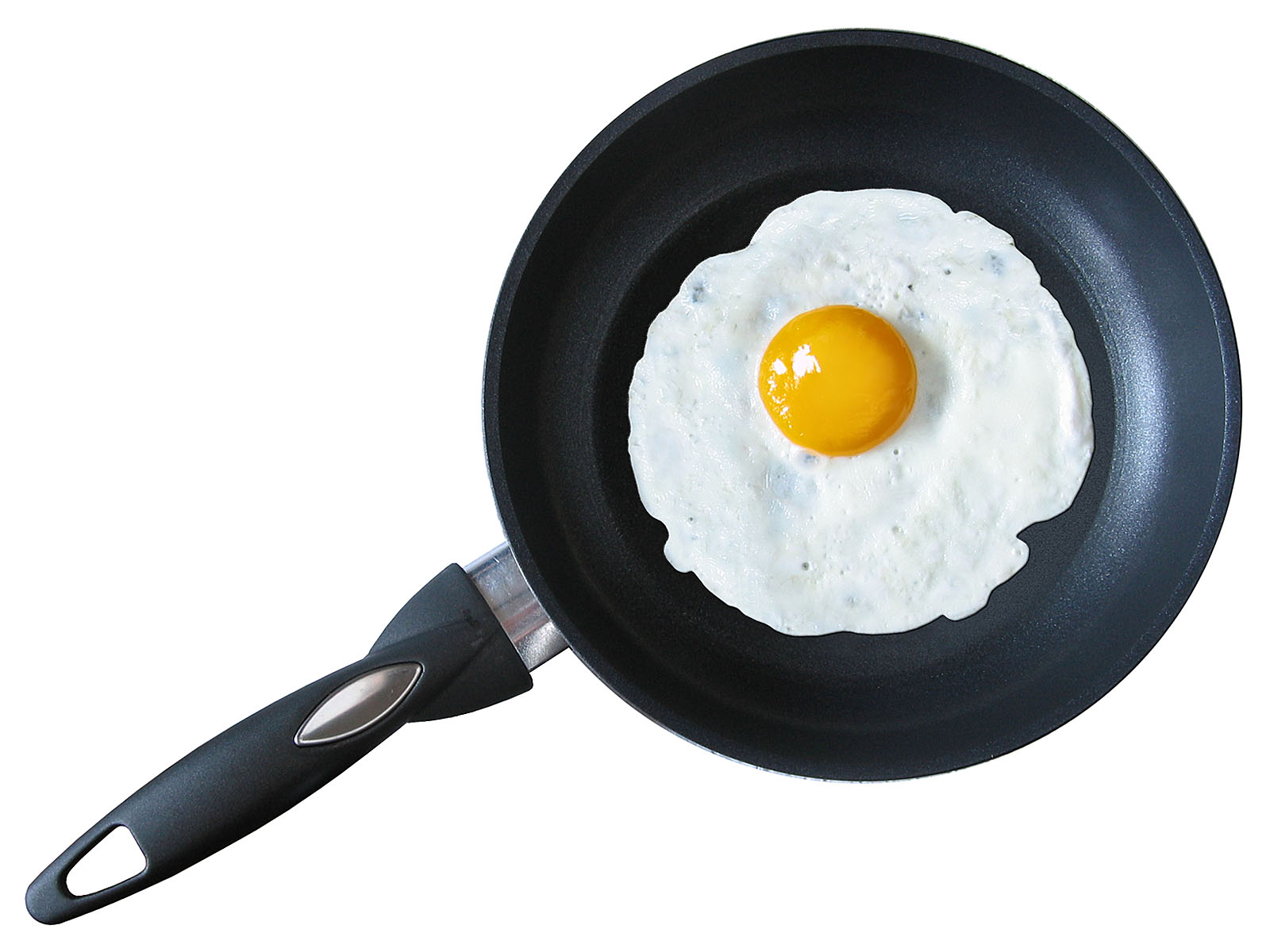
Eggs:  Fry 'em, scramble 'em, poach 'em, boil 'em, and PIG OUT.  Egg protein is one of the greatest sources of protein in the entire world, with a bio-availability in the high 90%'s when cooked.  That means your body can use almost all of the protein available in eggs with the upmost efficiency to build strong, lean muscle.  BUT, as manly as it may look, drinking raw eggs is a bad idea.  When left uncooked, egg protein only has a bio-availability of about 50%, so much of that protein is wasted in your body.  Plus, nobody wants salmonella.  You won't look too manly puking your guts out all night, right?  But seriously, eat those eggs.  Oh, and dietary cholesterol hasn't been proven to have nearly ANY effect on blood cholesterol, so don't worry about that either.  Sound good?  Great.


Sausage:  Awww yeah, brautwerst anyone?  Sausage comes in all shapes and sizes, with all sorts of fillings.  Sure, it's not the highest quality meat you can buy, but it's a great source of protein and has a lot of healthy fats in it as well.  Want something lean?  Go for the chicken or turkey sausage.  Want the tastiest thing this side of Neptune?  Get some biggun's packed with pork and beef, and pile them next to that big morning omelette.  I recommend eating sausage in moderation, but you definitely don't have to cut it out of your diet.  Just watch the sodium, as it can pile up quickly in certain kinds.  Also, look at the ingredients, and make sure as much of the stuff inside is stuff you can pronounce, preferably meat without additives.


Peanut Butter:  I eat this stuff by the spoonful.  Packed with healthy fats and Omega-6 fatty acids, peanut butter is the bomb.  It's an incredible source of healthy calories, especially when you get the natural, or "natty" stuff.  Natty PB brah...all the way.  In fact, the best peanut butter out there has the fewest ingredients.  While the general rule of thumb is to make sure there is NO trans fat in the peanut butter, you also generally want to avoid the stuff with "partially hydrogenated vegetable oils."  Those oils are used to make sure the peanut oil doesn't separate out of the butter itself, which is a pretty useless task unless someone is unbelievable lazy.  A little stirring might help those forearms develop anyway.  Brands I like are Teddie natural chunky, Smucker's natural, Jif Natural, Naturally More, and Power Butter.  Go ahead and have a couple tablespoons, and watch those muscles EXPLODE.


Spinach:  OK, you may be looking at me funny.  But hey, if it made Popeye a monster, it could do the same to you.  It's an aquired taste, but the aggressive flavor almost makes it manlier, right?  Try some light sauces or spices on it to make it more palletable, like mustard, salsa, cayenne pepper, curry powder, whatever floats your boat.  It's packed with vitamins and minerals, and will help you lose extra  body fat covering those shredded guns of yours.  Have a couple of forkfuls a day, and release your inner Popeye.


There you go you beastly dude you, eat up and get big, shredded, ripped, and NOTICED.  Enjoy your meat, your steak, your peanut butter, and those huge, giant, bacon filled omelettes.  Compliment any of these manly dishes with a side of veggies and you're in business.  You can eat healthy and retain your manhood, it's easy!  Now go eat some food, lift some weight, and growl at all the little meager folks cowering away from you.  You're a beast, and noone gets in your way.

GOOD LUCK DUDES!

Tuesday, June 12, 2012

Cytosport Muscle Milk Bottles *Review*


As most of you probably know by now, I'm a HUGE connoisseur of protein supplements.  Whenever I get the chance, I try out something new on the shelf and see how it compares to what I've already had.  The other day I ran out of Combat Powder, and needed a quick, single day replacement for post workout nutrition.  I drove over to Walgreens, walked up to the refrigerator and grabbed a bottle of Chocolate Muscle Milk by Cytosport.  After my workout, I chugged that sucker down, and well.....here's my review of the stuff:

Taste:  The chocolate version tasted great!  Sure, it wasn't the best protein I've ever had, but it wasn't far off, especially for a single dosage.  It's very thick and filling, and tastes like a real and substantially chocolatey shake.  Not hard to drink at all, and honestly it tasted good enough that I wished I had more.  The chocolate flavor is very potent, and doesn't taste very "chemical" at all (as some other proteins do.)  Reminded me of a brownie, even though it's been years since I've had one of those.  I will say though that I'm not a very picky person, and can appreciate most forms of chocolate flavor.  You may be a little more discerning, but I can say that I'm quite confident you'd enjoy the beverage.

8/10 

Protein Content:  As far as the protein factor goes, the profile definitely isn't bad.  Is it the greatest protein source out there?  No.  But it's a good blend of many different proteins, including milk protein and a few types of whey.  The whey isn't amazingly refined, so I assume it won't absorb quite as quickly as a heavily filtered whey isolate or hydrolyzed whey.  Still, unless you're splitting hairs, it's not a huge deal, in fact I think it's good to have a blend so that the protein will feed your muscles over a longer period of time.  One bottle has a total of 25 grams of protein, which isn't huge, but is enough.  Just to compare though, most powdered proteins will give you about 50 grams of protein for the same number of calories as in a bottle of Muscle Milk.  So you're not getting a super concentrated dose, but the amount of protein your body can absorb in one sitting isn't that impressive anyway, so it's not a big deal.  Overall, the protein is of medium to medium high quality, and there's a decent amount of it.

7/10

Other Nutritional Profile:  One thing I noticed right away about Muscle Milk is that it has an interestingly large fat dosage.  Cytosport calls in "functional fat," which I assume means that their marketing it as healthy fat.  One bottle has a total of 9 g of fat, 1.5 g of which is saturated.  I'm not completely sure, but I think the fat mostly comes from the milk, as well as the oil used in the ingredients.  I can't vouch for exactly how high quality the fats are, but let's just say they don't raise any red flags or scare me away.  

A 14 oz bottle of Muscle Milk has only 3 grams of sugar, which is quite low considering the very sweet taste.  There are artificial sweeteners used, but I have no problem with those, though some people might.  The ingredient list is quite long, which I usually don't like, but expected in this case because most protein shakes have quite a bit that goes into them.  

Here's the nutritional information right off of Cytosport's website (click to enlarge):


7/10

Price:  Not the cheapest stuff out there, but definitely not the most expensive.  One bottle is around 3 bucks, not a killer investment if you need some quick protein.  I'd only use it as a temporary replacement for powder though, because you generally get a LOT more bang for your buck with powder.

8/10

Name:  SUPER COOL!  I mean seriously, "Muscle Milk"?  That's AWESOME!  Wish I'd thought of it.  Sure beats "whey protein isolate," or "mass gainer."  It's like, 

"Hey George, whatcha drinking?"

"Oh, nothing special, just MUSCLE MILK!!!"

Love it!

10/10

Overall, would I recommend the ready to drink Muscle Milk 14 oz bottles?  As far as the chocolate goes, yes I definitely would.  It's a great replacement for a powder for a day or two, and is a viable post workout protein source.  It's got a good blend of protein types, tastes great, and won't break the bank.  If you get a chance, try a bottle!  Let me know what you think!

Lift hard, lift heavy, refuel, and as always, good luck!!!


Friday, May 25, 2012

Food Worship #14: The Kidney Bean

Sorry folks, I know it's been a while since you've heard from the Food Guru.  I've been quite busy, but finally have a little time to sit down and discuss with all of you another of my favorite foods.  As you may or may not know, I'm a huge fan of beans.  They're a fantastic source of carbohydrates, and are absolutely DELICIOUS.  They come in all shapes and sizes, and I could honestly go for a few days rambling on about each one regarding its benefits, nutritional value, and why YOU should be eating them.  But today, I must choose only one.  And so I've made it my second favorite, as I've already written about my number one (the chickpea, or garbanzo bean.)  Today's bean of choice is....*drum roll*.....the humble kidney bean.


These medium sized beans are a little bit funny looking, being shaped like, well, kidneys.  But I assure you, they're one of the best foods you could ever put in that ever improving body of yours.  Not only are they delicious, but they have a whole host of powerful health benefits that will without a doubt make you feel (and look) absolutely amazing.  As per the usual routine, I'll now provide several bulleted categories of beneficial aspects of the bean, as any professional blogger would (despite me not actually being professional...yet.)  Let's get started, shall we?

Fiber:  First and foremost, as with a LOT of beans, kidney beans are very rich in fiber.  Fiber can help lower cholesterol and greatly improves digestive health.  It also makes your body more efficient at digesting the other foods in your diet and utilizing the nutrients in each one.  In all honesty, you want to get as much fiber in your diet as you can, ESPECIALLY if you have a high protein diet (as any muscle-head would.)  Fiber is your friend.  One cup of kidney beans will have about 220 calories and a whopping 16 grams of fiber!  That is a LOT of fiber, and will do your body a LOT of good.

Complex Carbs:  If you're looking to build muscle and have long lasting, powerful energy throughout the entire day, you need a lot of good quality, slow digesting complex carbs. In terms of carbohydrates, you can't get much higher quality than kidney beans.  They'll provide your body with exactly the energy you need, and will promote muscle growth and glycogen replenishment.  Unlike sugary carbs, complex carbs will NOT provoke as aggressive insulin response by your body and therefore will allow you to avoid unnecessary fat gain.  Kidney beans are like high octane, awesome quality fuel for your body, so eat up!


Stabilize Blood Sugar:  Not only are fiber and high quantity of complex carbs an excellent source of digestive health and long lasting energy, they also both help stabilize blood sugar, leading to less fat gain (if you're bulking up), or easier fat loss (if you're slimming down.)  Low and stable blood sugar levels are crucial to a healthy diet and trim figure, especially as you age.  

Protein Packed:  Kidney beans are absolutely LOADED with protein.  One cup has about 14 grams of protein, and while the beans themselves don't provide a complete amino acid profile (the protein in the beans isn't immediately available to your body for muscle building), when the beans are combined with a good whole grain, the amino acid profile can be completed and you'll get all the benefits of that hearty, protein packed legume.  Want the guns to impress the ladies?  Grab yourself a can of kidney beans and dig in.  

Nutritional Profile:  To wrap the rest up into one little section, kidney beans have a great nutritional profile overall.  They're very low in saturated fat, very low in sugar, and of course, if you buy the right ones, are all natural.  I love the canned beans, which have all the same nutritional benefits, but unfortunately with a bunch of added sodium.  If you get canned beans (which again, is completely FINE), make sure to rinse them thoroughly before consumption to wash the majority of that salt right down the drain.  Easy enough, right?

Here's the nutritional information for canned kidney beans:

Nutrition Facts
Serving Size 1 cup
Amount Per Serving
Calories from Fat 8
Calories 218
% Daily Values*
Total Fat 0.87g1%
Saturated Fat 0.128g1%
Polyunsaturated Fat 0.484g
Monounsaturated Fat 0.069g
Cholesterol 0mg0%
Sodium 873mg36%
Potassium 658mg
Total Carbohydrate 39.91g13%
Dietary Fiber 16.4g66%
Sugars 0.56g
Protein 13.44g
Vitamin A 0%Vitamin C 5%
Calcium 6%Iron 18%
*Percent Daily Values are based on a 2000 calorie diet. Your daily values may be higher or lower depending on your calorie needs.

Nutrition Values are based on USDA Nutrient Database SR18
(Lots of sodium if left un-rinsed, so make sure to remember that step.)


All in all, kidney beans are a must-eat if you're at all concerned with health, fitness, or general well being.  They're absolutely delicious, and go well in all sorts of recipes.  Personally though, I love just eating them plain with some good spicy seasoning next to a piece of tilapia and some natural almonds.  YUMMY!  They're cheap, accessible, and ridiculously healthy.  Pick some up ASAP!


Love the kidney bean, a magical fruit, and as always, GOOD LUCK!


References:

Wednesday, April 25, 2012

Fear Of The Unlabeled


I recently had a discussion with one of my friends, and an interesting topic arose concerning eating healthy and controlling calorie intake (I have such interesting conversations, don't I?)  He mentioned that he was afraid of eating foods that didn't have nutritional labels associated with them, for fear of consuming too large an amount of calories, or other bad stuff (like trans fat) without ever knowing it.  I too used to have this fear, big-time.  It's a common one.  Heck, if you don't know what's in your food, how are you supposed to know if it's healthy?  It's a legitimate quandary, and I decided right then and there that I would write my next article on that very subject, namely, how to get over the fear of unlabeled food.

Firstly, I'd like to say one thing:  YOU DON'T HAVE TO BE AFRAID OF EVERY FOOD THAT DOESN'T HAVE A LABEL.  Why not?  Because some of the healthiest stuff in the entire WORLD doesn't have a nutritional label on it.  For instance, go and pick yourself an apple.  Does it come with a nutritional label pasted to its skin?  Nope.  Does this mean it's not healthy, and you shouldn't eat it?  NOT AT ALL!  In fact, you'd do well to eat that apple right at that very instant and start benefiting from the enormous amounts of nutrients it contains.  The same goes for fruits, nuts, and vegetables.  In their natural form, there's no way they could be bad for you.  Just absolutely no freaking way.  In fact, almost every single container of organic food you can buy at your local health food distributor will NOT have a nutritional label, and yet those foods will do so much more good for you than any sort of boxed crud you could get at any old grocery store.  So if you see a bowl of apples sitting there in the cafeteria, or a bucket of tomatoes at the salad bar, don't avoid them.  Dig in.  You won't get fat, you won't have a heart attack, and you WILL make your body healthier.


But that's a no brainer...right?  Yeah, I thought so.  So what about the more complicated stuff?  Let's look at the situation I'm regularly in when I go to my school's cafeteria.  They make a LOT of healthy food, and a LOT of crappy food as well.  And rarely is any of it labeled correctly (though they are trying, I'll give them that.)  But do I stress?  Not one bit, because I know what to look for.  That means I can look at a plate of sauteed vegetables, and tell if the cooks have used too much oil, or if there's a sugary glaze overtop of them to make them more appetizing.  And this is what you need to do.  With complex dishes, you need to use a combination of past knowledge (what have you eaten in the past similar to this, and how was it made?), and a discerning eye for ingredients (know what oil looks like, know what fried foods look like, and determine what ingredients make up the entire dish.)  If it's a relatively plain dish, as in no glaze or anything like that, you can assume that those veggies aren't any more caloric than the raw ones at the salad bar.  If it's a stir fry, I still wouldn't be worried, you can easily account for a few extra (healthy) calories and still have a good meal.  Heck, a little cooking oil will give you some healthy fat in your diet.  If those veggies are rolling around in sloppy meat and brown sauce, skip them, as you know they've been too doctored up to really be beneficial for you.  It's not a hard concept, go with stuff that looks more plain, or more sparingly dressed.

What about meat?  Well that can be a little more daunting, but still not a horrible situation.  Breaded or fried meats are generally a no-no, as they'll have many more calories (sometimes almost double the plain variation), and a lot of bad fats that you know won't do you or your figure any good.  Heavily sauced meats are generally in the same boat, and you should avoid things smothered in BBQ sauce or a sugary marinade.  If the meat is only spiced (seasoning baked in), it could be just fine, or it could have excess sodium.  That one's really a toss up, but a little salt every now and then will do no harm.  In my opinion though, the plainer the meat, the better.  Go for the grilled or poached chicken, or a medium portion of turkey/beef.  I'd stay away from pork and fattier cuts of beef, as they'll be the secret killers, ESPECIALLY if they're unlabeled.  Fish is an AWESOME choice as long as it's not fried.


Also, you have to know your portions.  6 oz of meat is a decently thick piece about the size of your palm.  6oz of any sort of plain meat ranges from 120-250 calories, based on whether it's chicken, pork, fish, steak, etc.  Knowing portions is just as important as knowing ingredients just by looks.  If the cuts are too big, slice it in half and throw out the rest (or give it to your friend who loves meat.)  Not hard, right?

Another reason NOT to be afraid of unlabeled food is as follows:  Just because a food has a label, doesn't mean it's healthy.  Just 'cause you know how many calories are in an Oreo doesn't mean eating them is a healthy choice.  Heck, have you seen a Lean Cuisine package?  I picked one up the other day, and my jaw nearly dropped open at how many chemical ingredients were in that thing.  Low calorie?  Sure.  Healthy?  NOT EVEN CLOSE!!!  You'd be better off eating a piece of meat that you had no freaking clue how many calories were in rather than one of those things.  Ridiculous.

So here's the bottom line.  If you want to eat as healthily as possible, you have to move away from labels.  The healthiest stuff on earth is unlabeled, and you have to deal with it.  I'm pretty sure most of what I eat doesn't have nutritional labels on it, and I'm seeing fantastic results in both strength an leanness as I continue to train.  Don't be a label addict.  It'll only limit your diet to the point where you're absolutely stifled when it comes to mealtime.  If you're a serious addict, you can always look up nutritional information online after (or before) the meal.  But seriously, don't stress.  It'll only cause tension, hormone imbalance, and in this case, hunger.  Remember one thing:  calories aren't all that matters.  Nutrients are where it's at.

Know your portions, know your ingredients, and as always, GOOD LUCK!

Thursday, April 19, 2012

Negative Calorie Foods: The Ultimate Diet Fantasy

We've all heard of them, those foods that supposedly require more calories to digest than they actually contain. Like celery!  Don't you remember that celery had something like 5 calories, and took 15 to digest?  Now I don't really know where those numbers came from, but I sure remember hearing that statement uttered from the mouths of quite a few of my friends and relatiFves.  But is it really true?  Could you just theoretically eat a whole ton of celery and burn more calories than your daily trek in the gym?


Unfortunately, no.  These rumored zero calorie foods are just that, rumors.  They don't actually exist.  There isn't a single food out there that requires more calories to digest than they actually contain.  Each and every day, your body takes about 10% of your caloric intake and uses it to actually digest the foods that you've eaten.  Now this 10% can vary based on how many calories you actually consumed, and if it happens to be over the caloric value of celery, then whoopee, maybe in that instance celery was a net loss of calories.  But the difference is nearly negligible, and hasn't been shown to aid in fat loss (the effect hasn't, the food most surely has!)

Does this mean you should cut back on celery?  Or how about broccoli? (Another supposed zero calorie food.) HECK NO!  Both of these veggies can aid in huge amounts toward your weight loss goal.  They contain massive amounts of fiber, which will not only keep your digestive system fit and healthy, but will keep you satiated and slow the digestion of other foods, making it a more efficient process and allowing the body to more readily use the nutrients it has been given.


Listen:  You're not going to get fat off of celery.  I'd be willing to wager you that you could eat as much celery as you wanted, and you'd get full long before you ever gained even an ounce of fat.  Raw, green veggies are just too darn nutrient packed to be bad for you, even in huge quantities.  Actually, I'll go out on a limb and say that if "no limit" foods exist, celery, broccoli, and other deep greens like spinach and lettuce are definitely worthy of that title.

Eat to your heart's content!  But don't think you'll be in a net calorie loss by doing so, because even though I hate to say it, your body doesn't work like that.

 Myth BUSTED!  

All in a morning's work, and now off to class.

Eat those veggies, and GOOD LUCK!

Friday, March 30, 2012

Make Caloric Density Work For You


In today's world, it's easy to eat something small that's EXTREMELY calorie dense.  I think McDonald's gets picked on enough, so I'll use Burger King as an example.  Their Whopper has a "whopping" 670 calories per burger, and anyone who's got a stomach like mine (which is pretty much any college guy I can think of) could down three of those things before feeling full.  Guys have big stomachs, and even you women, who get full more easily, still could effortlessly consume a tuna salad wrap which, with added Mayo, could break 500 calories without trying too hard.  And who eats just the sandwich, right?  You gotta have a few extras, like coleslaw, or a ranch smothered salad, or even some fries.  Before you know it, you've broken 1000 calories in one meal, gotten very little actual nutrition, and worst of all you may not even know you did it!

So how is it possible to avoid these calorie dense meals that don't fill you up?  It's pretty simple really.  First, know your food, how many calories they contain, and assume as little as possible.  Find out tooth and nail how many calories that piece of pizza has, and limit yourself based on that.  Knowledge is power, and to succeed in dieting, you need to KNOW as much as possible about the food you eat.  No guesswork.  But we all know this, right?  What I really wanted to talk about with you today is a neat little method to ensure you stay full, and don't go overboard with caloric content.  Check this out:

Now by this point we should have a grasp on the term "caloric density."  Basically the less amount of food per calorie, the greater caloric density that food has.  Peanut butter is 2 tablespoons per 200 calories.  That's VERY dense, because two tablespoons ain't that much.  Lettuce is extremely NON calorie dense, because you can have like 10 or 12 cups of the stuff and would be hard pressed to break 100 calories.  The trick is finding the foods that AREN'T calorie dense, yet are still delicious and filling, and stacking those on top of each other for each meal.  Here's an example:

For lunch at home, I'll usually have:

1 tilapia fillet (~100 calories)

1 hard boiled egg (~80 calories)

1 whole wheat flatbread (~100 calories)

1 bag of "steam in bag" carrots (~100 calories)

1 grapefruit (~100 calories)

1 tomato (~30 calories)

1 big salad with lettuce, mushrooms, bell pepper, cherry tomatoes, cucumber slices and balsamic vinegar (<100 calories)

1/2 serving of peanuts, almonds, or cashews (~100 calories)

mmmmm... Tilapia
So that's about a 700 calorie lunch, and ladies and gentlemen, that's a LOT of food.  Keep in mind that if i were to have 1 Whopper, I would have consumed about the same number of calories, I'd have gotten almost zero nutritional value, and I'D STILL BE HUNGRY!  Plus, there's a lot more your body can do with that boatload of nutrients you give it in MY meal than all that saturated fats, sugars, and chemicals you give it in BK's meal, and therefore you'll be more likely to maintain a lean figure and feel like a million bucks.  

Another tip, try to keep your foods around whole calorie numbers.  Notice most of my meals items were 100 calories a piece.  This made the addition quite easy, and the foods more numerous.  Feel free to substitute more calorie dense HEALTHY items, but remember that once you do your plate might start to look a little empty.  

Now in terms of the actual food items chosen, I'm pretty sure I've given you enough information in all my other articles to do that on your own (do some reading if you have to, there's PLENTY to read in this blog), but just to refresh, if you're looking for low caloric density go with: lean meats (fish, chicken, turkey, even lean beef), veggies (broccoli, brussels sprouts, green beans, asparagus, carrots, corn), and fruits (grapefruits, bananas, apples, pears, oranges).  Nuts may be higher in caloric density, but don't be afraid to throw a few in there for some healthy fats (WHICH YOU NEED!), just watch the overall quantity.  They are quite satiating though, so don't worry about still being hungry.

And my final advice:  You really want to make sure you leave that dinner table full?  Drink a glass of water before the meal, and one during.  Big, full glasses.  That'll keep you topped off guaranteed, and you won't have room for any of that cheesy casserole.  

See?  It's not so hard.  Keep the foods lean, healthy and light, and you'll be eating big meals that keep you slim, trim and strong.  You'll feel like you're just shoveling the food in, but in reality you're eating the same amount, if not less than you were before.  Crazy how this stuff works, right?


Enjoy your food, eat healthy 'til you're full, and as always, GOOD LUCK!

Saturday, March 17, 2012

Biggest Bloat Foods


You work hard to look good, we all know that.  You're in the gym 5 days a week, you try to watch what you eat, and so far you've been having a lot of success on your fitness journey.  And like everyone else, you're human, and every now and then you decide to skip on the diet and consume a food you love.  Why is it that every time you do so, you wake up the next morning, look in the mirror, and look like you've gained a solid 5 pounds of fat?  I'll let you in on a little secret.  You probably haven't gained an ounce of actual fat, it's just that particular food you ate playing tricks on you.  So don't despair, just know the facts.

It's called bloating, and it's not a fun sight.  No, it's not dangerous, but it can really cause someone to become very falsely upset about their weight or appearance.  It happens when your body suddenly decides to retain water, or produce internal gas based on a food you may have consumed.  Certain foods (and their respective ingredients) can produce some pretty impressive bloats, so it's always good to know what caused this rapid degradation of appearance.  Let's go over the list of some of the types of food that will cause you to blow up like a balloon, guaranteed:

Food High In Sodium:  This one's the most common of all bloating situations; you decided to splurge, had a bit of a really salty piece of steak, or a few too many potato chips, or decided to go all out on salting that corn cob last night.  Excess sodium will cause your body to retain water in all sorts of places, because water is attracted to sodium.  It's not uncommon to put on a pound or two of water weight after an extremely salty meal, even if it did happen to be low calorie.  If you don't want to blow up like a beluga whale, try to skip the salt, and watch the sodium content on nutrition labels.  If you do accidentally go a little salt crazy, don't fret, just drink a lot of water and your system will eventually cycle all that excess water weight right back out.


High Carbohydrate Foods:  Your body uses carbohydrates as a very efficient energy source by storing carbs as an accessible fuel called glycogen in your liver and muscles.  When 1 gram of glycogen is stored as energy, about 3 grams of water is stored with it.  This means that if you've been quite glycogen depleted (working very hard in the gym, or have been on a low carb diet), and you replenish your glycogen stores by consuming a good amount of carbohydrates, you can put on a lot of water weight quite quickly, and tend to look pretty bloated, or at least "bigger" for a while.  Usually this isn't as bad as sodium bloating, and most muscle heads actually want this "inflated" look as it promotes a healthier, fuller, stronger looking physique.  Don't be surprised though if the scale bumps more than it should after that big plate of pasta.


Raw Vegetables:  Now don't start worrying, vegetables are still probably the healthiest food you can consume throughout your day.  The thing is though, raw veggies have huge amounts of fiber, and can absorb quite a bit of water in your stomach.  That means they take up a lot of space, and can cause you to look like a Macy's day parade float.  Don't worry, this will pass.  Also something to be a little wary of, most fiberous veggies produce a lot of intestinal gas, which, as well as being uncomfortable and...er...embarrassing, can inflate your lower stomach to the point where those tight jeans may not fit anymore.  Seriously though, it's a small price to pay for the health benefits in those veggies.


Artificial Sweeteners:  I love artificial sweeteners, and I use them on a daily basis.  They allow people to stay on a stricter diet more efficiently because they allow someone to have a bit of a sweet tooth without any of the huge sugar consumption.  They can, however, cause bloating, because your body can't absorb and digest them.  They act like fiber and cause intestinal gas, which, you guessed it, pumps you up to snowman-like sizes.  Again though, don't worry too much about it, just know what caused it.


Desserts:  There's a whole host of reason that those big, sweet, sugary desserts can cause bloating.  They're loaded with all sorts of carbs and sweeteners that both force your body to retain water and cause gas.  Also, desserts that contain dairy can be incredibly bloating to those that are lactose intolerant (as will any dairy product.)  Let me just say this: you're guaranteed to look like a beach ball after that heaping bowl of ice cream and apple crisp.


Carbonated Drinks:  This one's a no brainer.  Carbonated drinks contain little bubbles of carbon dioxide, which when consumed escape into your stomach and blow it up like a balloon.  This can cause a lot of discomfort.  Not to mention, most carbonated drinks are loaded with sugars and other artificial sweeteners, two other super bloat-promoting substances.


Bloating is annoying, that's for sure.  Is it dangerous though?  Not usually.  It also shouldn't be a reason to get depressed about your appearance, because bloating is a temporary state.  If you bloat up, just hop back on your diet as soon as possible, keep hitting the gym, drink lots of water, and your body will clear itself out eventually (usually sooner rather than later).  And now that you know the top culprits that cause the biggest bloats, you'll be able to figure out what happened next time you look like the Michelin Man in the mirror.

Eat clean, don't stress, and as always, GOOD LUCK!

Friday, March 16, 2012

The Discarded Portions, And What You're Missing


With certain foods, it's pretty commonplace to have a little scrap left behind.  Think of that yummy corn cob, or perfectly ripe banana, or absolutely delicious watermelon.  After a few pieces of each, your plate is littered with  cobs, rinds, and peels.  We don't think much of it, and usually toss our apple cores into the woods just like anyone else.  But what exactly are you throwing away?  Did you know that in certain cases, these "inedible" portions of food actually contain many nutrients that could do your body some serious good?  In fact, some may contain tons MORE health benefits than is easily fathomed.  And you know what?  Some don't taste so bad, either.

Watermelon Rinds:  This one you might have tried before, and you'd be happy to know that your instincts were correct in trying to munch away on this green nutrient goldmine.  In fact, the watermelon rind is actually healthier than the watermelon flesh, and though while it may not taste as good, consuming watermelon rind can give you a heaping load of beta carotene, vitamin A, citrullene (an important amino acid), lypocene, and vitamin C.  Now don't confuse the rind with the dark green outer skin, the rind we're talking about is the lighter green layer between the skin and the pink flesh.  The outer skin is a little harder to stomach (though I've definitely done it on several occassions.)  Next time you have a watermelon, feel free to keep chomping for just a few more bites, just to make sure you get a little of that very healthful rind.


Banana Peels:  You know, it's really only us humans who believe we're too good for a peel.  Many primates eat the entire banana, and by doing so gain a lot more of the fruit's total health benefits.  That's right, the peel, though slightly ropey and initially unappetizing, contains all sorts of goodies that your body will absolutely love.  They're rich with fiber, both soluble and insoluble, much moreso than the fruit itself.  This fiber can assist in raising good cholesterol levels and promoting healthy digestion.  Banana peels also have a significant amount of lutein, an important antioxidant.  Banana peels also contain a very large amount of potassium, a very crucial mineral which when balanced with proper sodium intake allows the management of bodily hydration.  To make banana peels a little more appetizing, wait until the fruit is very ripe, and the peel should be both thinner and slightly sweeter.  You can also boil or cook the peel, and many Asian cultures cook bananas IN their peel, and eat them as one total meal.  Cool, right?


Corn Cob:  OK, now seriously, who eats the cob of the corn?  Actually my loyal readers, I've done so on several occassions.  If the corn is boiled well enough, the cob is most definitely soft enough to consume, and doesn't taste half bad, in my opinion at least.  As far as health benefits go, I can't seem to find many on the internet, which means I must be a little bit strange to consume the cob.  However it's common knowledge that corn cobs can be ground up and mixed into cattle feed to increase fiber, so it's safe to say that the cob is extremely rich in fiber.  I can definitely agree with this, as they fill you up EXTREMELY quickly (one of fiber's most useful attributes, besides healthy digestion).  If you want to try a bite, I suggest you try eating the small end of the cob first, as it's likely to be the softest and most easily consumed. 


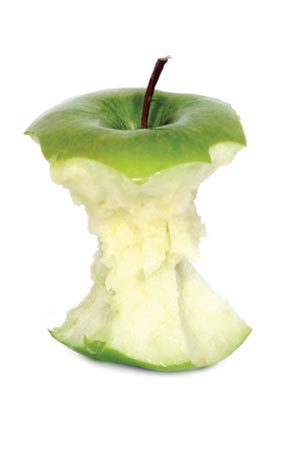
Apple/Pear Cores:  Some people just go all out, and don't let a single bit of their precious fruit go to waste.  Have you ever known someone who eats apple cores, or maybe the cores of pears?  I can tell you that I don't mind eating the core of a pear, however apples tend to be a little past what I can handle.  The seeds in apples are extremely bitter (which you've probably found out if you've accidentally eaten one) which is due to the fact that they're very mildly poisonous, containing a derivative of cyanide.  Don't worry, you'd need to eat a TON of apple seeds to actually poison yourself, but it's just something to keep in mind.  Feel free to eat the core of either fruit, just know that unlike banana peels and watermelon rinds, you're not consuming any sort of normally ignored health beneficiaries.  


Mushroom Stems:  For some reason, people like to throw away the stems of portobello and white button mushrooms.  Why is that?  The stems are just as tasty as the mushroom itself, and contain all the same health benefits, such as cardiovascular system support, anti inflammatory properties, antioxidants, and large portions of vitamins such as vitamin B2, B3, B5, and minerals like selenium, copper, and potassium.  Seriously, eat these things, they're tasty and great for you!


Peach Pits:  Just kidding...don't eat these...big choking hazard.

Avacado Pits:......Seriously? .........No.

So there you have it, a little look into the forbidden parts of food.  Some things you may want to definitely try out, a few others you can keep avoiding, knowing you're not missing much.  But don't worry, no matter what, as long as you're consuming the foods associated with these normally discarded portions, you're doing your body a whole bunch of good.  Eat up, and as always...

GOOD LUCK!

References:

Wednesday, March 14, 2012

The War Against Catabolism

Here's something fun to try:  Go up to the biggest, most shredded, most muscular dude you know, and say nothing to him but "catabolic."  Then proceed to watch him run and hide in the corner, frantically trying to mix up a protein shake and down it in as little time as possible.  There, see?  No need to be afraid of bigger guys anymore.


OK, so maybe I'm exaggerating a bit, but to any sort of fitness pro, catabolic can be a scary word.  In its simplest form, catabolism means nothing but the breakdown of molecules into simpler forms, and releasing energy in the process.  This happens all the time in your body, and actually is what digestion is defined as.  During exercise, your body is in a state of catabolism, breaking down nutrients and releasing energy to fuel those hard working muscles.  But once all those glucose/glycogen energy stores are depleted, your body has no choice but to start breaking down muscle in an attempt to find more energy to use.  When your muscles break down, you start to feel a burn, usually caused by the combination of lactate buildup and tears in your muscle fibers.  This isn't a completely bad thing, because after your workout, your body makes it a priority to build back your muscle bigger and stronger than it was previously in hopes to avoid future states of the same "injury."   And if you have a post workout meal (WHICH YOU SHOULD), you can very rapidly throw your body from a catabolic, muscle eating state, to an anabolic, or growth state.

So catabolism isn't always a bad thing, however there are definitely times when you DON'T want to be catabolic.  Remember, basically any time your body is catabolic, you can't get bigger and stronger.  It simply won't happen, as your body is eating muscle instead of building it.  Therefore, it's pretty safe to say that other than intense exercise, you want your body in a purely anabolic state of muscle growth and repair.  Remember, your muscles don't grow while working out, they grow while resting.


So how do you avoid a catabolic state throughout your day?  Well, the good news for you is that it's pretty hard to enter a catabolic state if you're getting proper nutrition and calorie intake.  But remember the two main causes of catabolism:  Working out intensely, and fasting.  If you're fasting for hours on end, you might be depriving your body of the anabolic state it needs to rebuild muscle after a workout.  In order to assure that you don't enter a catabolic state throughout your day, try these tips:

Eat Frequently And Consistently:  Most fitness enthusiasts will tell you to have 5-6 medium sized meals a day, and this is very good advice if you're looking to promote an anabolic state.  If you're always eating, your body is almost never waiting for food, and will always have new nutrients coming in to rebuild what you've broken down.  However, do you HAVE to eat 5-6 meals a day to keep anabolic?  Well, people used to think that was really the only way to do it, but for the most part, it's been disproven.  So no, 3 meals a day should suffice, and if you're into intermediate fasting, that has been shown to keep people in anabolic states as well.  I guess I'm still on the old train though, and I'd say if you can, eat more frequently than not.  Better safe than sorry, right?

Eat After Your Workout:  I've already mentioned this one above, but post workout nutrition is EXTREMELY important to prevent continued catabolism after an intense workout.  Your body is already pretty beaten up after you've racked the weights or stopped the treadmill, and is already in the process of breaking down your muscle to very weakened levels.  It's quite advisable to get out of this catabolic state ASAP, in order to see the best gains.  So have a good amount of protein, and a few carbohydrates (about a quarter of your daily intake) to get your body building instead of breaking.  A protein shake and a banana or some oats are a couple of great choices.

Eat Before Bed:  Tell me something; when's the longest period of time you will have to go without food?  Night time of course!  Or more accurately, when you're sleeping, whenever that may be for you.  Unfortunately, that's also the time your body is doing the most muscle repair, and therefore it's crucial to have nutrients available for your body to use when it's repairing muscle.  There's this stupid thought that a couple hours before bed is a time when you should avoid food at all costs because your body won't get a chance to use the nutrients it provides before you go to sleep, and therefore it'll just get stored as fat.  That's ridiculous.  If you're eating within your calorie range, you won't store fat no matter when you eat.  And believe me, your body will thank you for the food you give it before you hit the hay.  I can promise you'll see big muscle gains too, because this is the largest time of muscle growth in the day.

So what should you eat before bed?  The general rule is to have a food rich in healthy fats, which will help to slow digestion, and a slower acting protein (casein.)  Probably one of the most famous pre-bedtime meals is some natural peanut butter and some cottage cheese.  This will provide you with a whole bunch of healthy unsaturated fats, as well as a ton of casein protein.  The amount of each you consume will depend entirely on your goals and your calorie requirements, so study up!


Catabolic states are a natural occurrence, and shouldn't be considered bad, but if you're looking to get as fit and lean as you can be, you want to make sure your body can build up muscle in the most efficient way possible.  I've given you a few tips, so now you know what to do and what to watch out for.  If you have any questions, just post a comment, I'm guaranteed to respond.

GOOD LUCK!

Sources:
http://www.fitday.com/fitness-articles/fitness/body-building/what-is-a-catabolic-state.html 
http://www.bodybuilding.com/fun/david7.htm