This blog will inform you about all kinds of food. It'll teach you to make the right choices, and feel great about them. By making these choices I personally guarantee you will perform better in the gym, stay healthier throughout the year, and get stronger both physically and mentally. I might even give you a few recipes to try. And on top of all that, I promise it'll be fun to read =].
Showing posts with label a. Show all posts
Wednesday, May 2, 2012
The "Smart" Diet (Food For Final Exams)
Well, final exams are over, and I don't like to brag, but I did quite well. I believe such grades were earned, as I studied hard and made sure to manage my time efficiently (or as efficiently as possible while still maintaining my sanity). Yes, all in all, I'm quite pleased with my grades, and god does it feel good to be done with these piles of work. It's as if all at once, the pressure's been lifted. The lid's off the pressure cooker, ya know what I mean?
Anyway, before I start rambling, I'd like to bring up an important concept relating to my success in this year's final exams (and school year in general). It's actually a concept I talk about quite frequently. Could you guess what it might be? If you said "food," or "diet," you're right. I relate a lot of my success this year to my study habits, but feel that credit should also rest in what I've been putting in my belly.
How, you ask, does food have ANYTHING to do with academic success? Well, unlike a lot of articles which just spout off fact after fact and tout study after craftily worded study, I'm just going to tell you about my personal experience. I mean sure, I'll say that you'd be crazy not to think that food has an effect on your brain. Nutrient dense food does wonders for cognitive ability, leading to better memory, lower stress levels, and greater confidence. Good food helps you stay happy, healthy, and ready to take on the world (or a nasty, brutally complicated exam). This isn't any secret, yet so many people fail to accept the fact that a healthy diet can keep them successful when they need to be.
Did I personally do anything special to my diet in preparation for exam week? Well, the changes I made weren't initially geared toward the exams themselves, however I soon realized that they worked great for cognitive ability as well as physical prowess. You see, on my Olympic lifting training program, I work double sessions in the gym multiple times per week. This week, being pretty much empty other than an 8 AM exam every morning, I decided I'd go even harder on the double sessions (as the only other thing I had to do each day was study.) To support this brutal attack on my body, I made sure I was getting another hundred or so calories ON TOP of what I had already calculated to be a 200 calorie excess. I've been stalling out recently on weight gain, so I figured it couldn't hurt anyway. I made sure these calories came from clean sources such as almonds and egg whites, as well as a few more veggies on my plate. So far, such diet programming has been working beautifully for my workouts, and I've been maintaining strength despite increasing squat volume considerably.
This caloric excess also did WONDERS for my level of alertness, stress (low), and energy. That healthy food pushed me through extra study sessions as well as extra squats, and a hearty breakfast of oatmeal, whey, and peanut butter woke me up and got me going each and every morning. To put it bluntly, I felt, and still feel GREAT!
And one more little nugget of useful information: heavy brain work burns a lot of energy. Yeah, you heard me right, you're burning more energy than you think just trying to remember that darn equation for energy stored in parallel inductors. Ever feel drained after a big test? Like it's time for a nap? Well, you're drained because you've been working hard as heck. The bottom line is, my body needed those extra QUALITY calories, especially this week, in the face of the final test of knowledge.
Note to students: Those "care packages" or "study packs" your college offers to your parents to buy for you are full of absolute junk. Dum-Dum lollipops will NOT help you pass that final, and will likely send you on an aggressive sugar roller coaster that will leave you either too hyper to think or too monotonous to care about which bubble you're filling out. And all that chocolate? It won't help your brain grow, but it sure will grow you out of those jeans.
So what's my advice to you? If you've got tests coming up, don't be afraid to eat hearty meals of clean food. I would suggest heaps of complex carbs, as well as plenty of protein and fats from sources such as nuts, milk, and fish. You do NOT need to be waking up a completely drained wreck, unable to focus and unable to think about anything but how hungry you are for lunch. Keep yourself fed with "premium fuel," 'cause hey, you wouldn't put anything but the best in an expensive sports car right? Your body is the fastest, sleekest, most valuable car you own. Fuel it as best you can, and you'll not only see your lifts increase in the gym, but your grade point average climb as well.
Good luck on finals to all my fellow college students. Eat well and let's start this summer right!!
Saturday, February 11, 2012
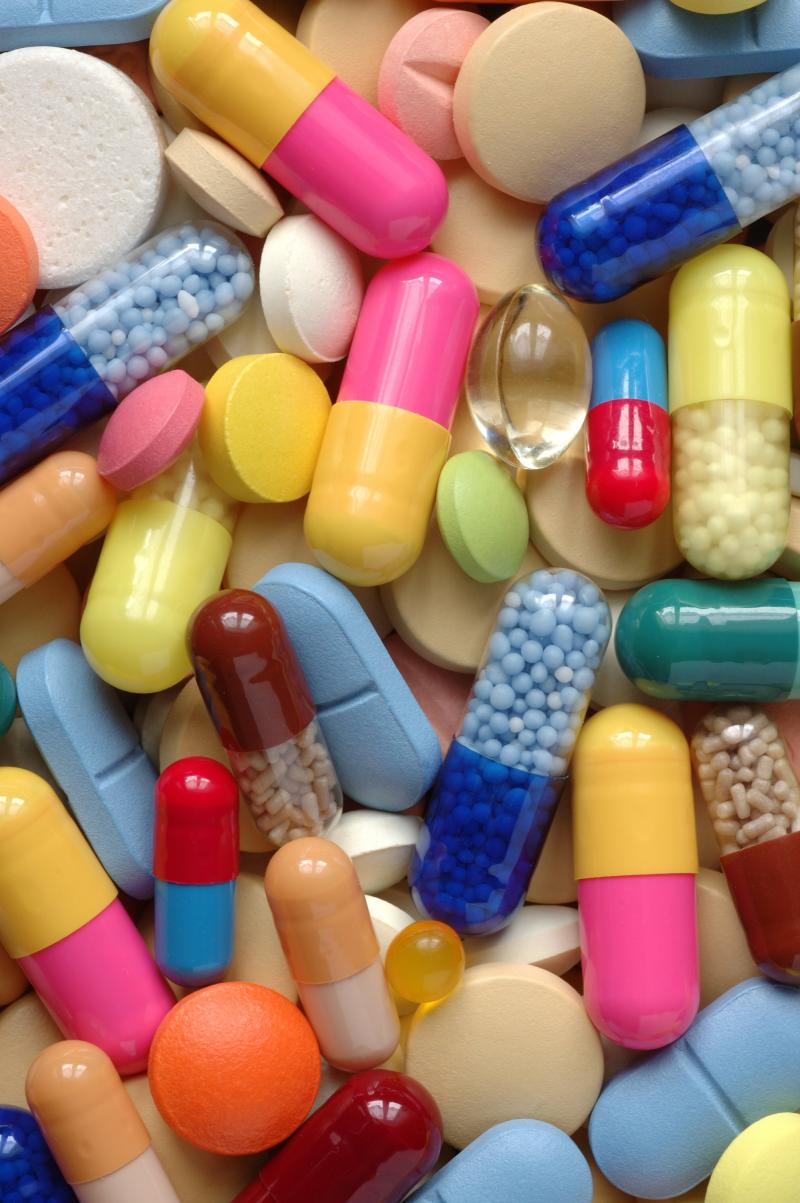
Multivitamins: Are They Really Necessary?
I used to be that guy who popped a multivitamin every morning with breakfast, believing that the little chalky orange capsule was truly making a difference in my health and fitness, and that without it I'd feel like crap, perform like dirt and look like garbage. I swore by the thing, and when it came time to buy new multivitamins I always looked for the brand that was "performance oriented", and gave you along the lines of a few thousand percent of the daily recommended value of each vitamin and mineral. Heck, they even threw other things in those pills, like amino acids, folate, selenium, all sorts of stuff. It was the classic "more is better" mindset, and I was stuck in it.
Then, upon visiting my grandparents, my grandfather, a PhD biochemist and a long and very prosperous career at Pfizer to boot, watched me take my multivitamin with a sort of disappointment. He said to me "You don't need that giant pill, especially one with those kind of vitamin amounts. People go way overboard on multivitamins. You only really need 100% of everything, and it's possible to overdose on certain vitamins. I don't understand super strong multivitamins these days. People don't need them, especially you at your age with your diet."
At first, I argued with him, saying excess water soluble vitamins were just expelled along with excess water in your body. And while that's true, I realized he did have a point about certain vitamins that are fat soluble, because it's quite possible to overdose on those, especially if your diet's healthy and your pill is HUGE. So what did I do? I took a little vacation from multivitamins. And guess what? About three months later, I'm still on that vacation, and I'm feeling just fine. I've had no noticeable side effects from going cold turkey. No fatigue, no power loss, and no loss of strength at the gym. In fact, if anything, I feel better. So what gives? Are multivitamins really pointless? Should you just save that money you shell out on those pills? Let's explore a little bit.
First of all, let me start by saying this. I am a firm believer in nature, and long before multivitamins ever existed there were people living long and happy lives off natural foods alone. Nature has a way of putting pretty much everything you need right there in the palm of your hand, if you know how to look for it. No, I'm not some hippy telling you to go hug a tree, but if you eat healthy, have a little confidence that you'll be getting nearly 100% of all necessary vitamins and minerals from your diet each and every day. To prove this point, let's look at a few foods that contain large quantities of the vitamins and minerals you'd normally supplement with a vitamin.
Vitamin C- Strawberries- You can get 140% of your daily vitamin C from one cup of strawberries!
Vitamin A- Sweet potatoes- In one 100g sweet potato, you'll get almost 380% of your recommended vitamin A!
Vitamin B6-Tuna, Salmon, and Chicken- Tuna contains about 60% of your daily recommended value of vitamin B6, while chicken and salmon both contain a little over 30%.
Vitamin B12-Salmon/calf liver- Salmon contains about 95% of your DV of B12, and if you can stomach it, a serving of calf liver has about 1500% of your DV. Wow! The good news is that if you can't find the oh so common calf liver, shrimp, beef, and yogurt are also very high in B12.
Calcium-Cheese and Almonds- Cheese has about 40% of your daily calcium per ounce, and almonds are around 30% per ounce.
Selenium- Tuna, Cod, Halibut, and Mushrooms- The first 3 fish mentioned have about 75% of your daily selenium per serving, and crimini mushrooms have about 50% per serving. Not bad!
Folate- Spinach and Chickpeas- Both of these have about 65% of your daily recommended serving of folate per serving, and it's easy to put both into one salad!
I could keep going, but hopefully I've made my point relatively clear that you can get the vast majority of everything you need from your diet. And the best part is, that while even though the foods I mentioned happen to be rich in one particular nutrient, every single one contains a vast spectrum of other nutrients. You're getting a virtual rainbow of nutrition with every serving of healthy food, not to mention that the way the nutrients are distributed in natural whole foods is something a man-made multivitamin could never really replicate.
How about what I said before, could multivitamins be dangerous? Well, for someone like me who eats loads and loads of veggies on a daily basis, I really don't need a giant pill on top of all that. In fact, I'd be slightly worried that I would overdose on fat soluble vitamins EVENTUALLY. What are the 4 fat soluble vitamins? Vitamins A, E, D, and K. How easy would it be to overdose? Well, a 25,000 IU dose of vitamin A can cause liver cirrhosis.
Let's compare the vitamin A dosage in three different multivitamins: Opti-Men, Animal Pak (a very famous bodybuilding oriented vitamin), and mega mens sport (my roommates current MV)
Mega Men's-5000 IU
Opti-men's-10000 IU
Animal Pak- 9900 IU
Those are some pretty impressive doses, and it's recommended not to exceed over 10,000 IU a day for vitamin A. Take two of any one of these vitamins and you're on track for an overdose. Heck, one a day almost seems like too much, especially if you're eating healthy otherwise.
What I find quite funny is that all these vitamins contain several hundred percent of your daily recommended value for vitamin D. Vitamin D can be obtained naturally by just standing in the sun for a bit, as the UVB rays create vitamin D in your skin. This is why with the big pills, you're pretty much paying for stuff you REALLY don't need.
So am I telling you to toss your vitamins? No, not quite. I believe a multivitamin can be beneficial for certain reasons. Firstly, for those who don't eat as much as me (which would be the majority of you), you probably won't get as many vitamins and minerals from your diet alone. Second, those who don't eat as healthy as they could might also be lacking in at least a few nutritional areas. Third, as our bodies age they become less able to efficiently absorb vitamins and minerals. I believe a multivitamin has one particular purpose that it does quite well: to fill in the gaps. No matter how fantastic your diet, there will most likely be just one or two little nutrients you're lacking. A multivitamin can bump these areas up to snuff, and you'll be set to go. Guess what that means though? YOU DON'T NEED A GIANT PILL. If you're really set on taking a multivitamin, read the ingredients, and get the cheapest one that covers all the bases sufficiently. You don't need a million percent of anything. 100% is fine. Save yourself some money, please.
But if you don't want to take a multivitamin, by all means, toss them. Eat healthy, and you'll be fine. Don't be afraid to load up on veggies at dinner time, and heap some good lean meat onto your plate. Most likely they'll contain more than enough of everything your body needs to keep on trucking through your workouts, your school-work, and life in general. And it'd be nice to forget about one more pill in the morning, right?
Trust your diet, eat the good stuff, and as always, GOOD LUCK!
References:
http://www.whfoods.com/genpage.php?tname=foodspice&dbid=32
Labels:
a,
animal pak,
bad,
c,
d,
dangerous,
e,
IU,
k,
men's sport,
multi,
multivitamin,
overdose,
RDV,
unhealthy,
unnecessary,
vitamin
Friday, February 3, 2012
Food Worship #11: Brussels Sprouts
I know what you're thinking...I'm crazy. Those nasty little cabbages you used to hate as a kid? Why would those be a super food? Well as you might have guessed, their green exterior and dense, veggie "aura" means that like your mother said, they're remarkably good for you. And you know what? I personally believe they're absolutely delicious. They're packed with fiber, and when cooked right they're dense and provide an incredibly satisfying bite, requiring just the right amount of effort to really know you've got some substantial food in your mouth. Yup, I love brussels sprouts. Sue me.
So what makes these things so good for you? Well, they're loaded with nutrients of all kinds, both macro and micro, and most definitely help your body out in all sorts of ways. Not to mention they can really bulk up a meal (these little guys fill you up fast, they're quite substantial for sure.) Also, when they're cooked just right, brussels sprouts are actually quite tender and delicious, and I bet if you haven't had them in a few years (due to painful childhood memories) that if you tried them again in your maturity you'd be surprised to find they're pretty darn tasty, especially compared to certain other veggies. Let's explore a little more in detail about why you should do just that, and how exactly you'd be doing your body good.
Fiber: As I alluded to earlier, brussels sprouts have quite a bit of fiber in them. In today's world, the more fiber you can get, the healthier you'll be and the better you'll feel. One cup of brussels sprouts has about 7 grams of fiber (THAT'S A LOT!), and one sprout has about 1 gram of fiber. All this fiber supports digestive/colon health, and also can assist in slowing the digestion of food so that the body more effectively uses what it's given. This can also prevent, to a certain degree, rapid fat gain, because it gives your body a longer time to use the food you've eaten. So get your fiber, and stay on track.
Heart Health: Brussels sprouts are great for your heart in a couple different ways. Firstly, they lower your LDL (bad) cholesterol. That's awesome, because with all the processed food out there today you'll need a good cholesterol-lowering tool that's easy to cook up and munch on. Brussels sprouts also help to create a substance in the blood called isothiocyanate (ITC) sulforaphane which has anti-inflammatory properties and may even be able to repair damaged blood vessels. That's pretty awesome if I don't say so myself.
Omega-3: Now I know what you're thinking, how could brussels sprouts have an essential fatty acid in them, after all there's only 0.6 grams of fat in an entire cup! But you'll be happy to know that the little bit of fat brussels sprouts do have is ALL good for you, and also is anti-inflammatory. Oh, and it'll support good cholesterol too, as an added bonus (as if there aren't enough bonuses to brussels sprouts already...)
Anti-Oxidants: Brussels sprouts have so many of these it's astounding: everything from vitamin C, E, beta-carotene, ferulic acid, and a special one called D3T (3H-1,2-dithiole-3-thione) that's actually quite rare in food. All these anti-oxidants help to prevent oxidation damage to your cells, which in turn can have effects on preventing several kinds of cancer. Make brussels sprouts a lifetime habit and perhaps you'll have a better chance of warding off cancer throughout your entire life. I'll take that kind of benefit any day.
Vitamins and Minerals: Oh boy do brussels sprouts have a bunch of these. Eating a serving of brussels sprouts is almost like taking a multi-vitamin. In one cup of brussels sprouts you'll be getting nearly 200% of your daily value of vitamin K, and 120% of your daily vitamin C. WOW! That's impressive. You'll also be getting a heaping helping of folate, manganese, and vitamin A. But that's not even close to the whole story. Here's the nutritional profile of brussels sprouts, courtesy of WHFoods.com:
| Brussels Sprouts 1.00 cup, raw 88.00 grams 37.84 calories | ||||
| Nutrient | Amount | DV (%) | Nutrient Density | World's Healthiest Foods Rating |
|---|---|---|---|---|
| vitamin K | 155.76 mcg | 194.7 | 92.6 | excellent |
| vitamin C | 74.80 mg | 124.7 | 59.3 | excellent |
| manganese | 0.30 mg | 15.0 | 7.1 | very good |
| folate | 53.68 mcg | 13.4 | 6.4 | very good |
| dietary fiber | 3.34 g | 13.4 | 6.4 | very good |
| vitamin A | 663.52 IU | 13.3 | 6.3 | very good |
| potassium | 342.32 mg | 9.8 | 4.7 | very good |
| vitamin B6 (pyridoxine) | 0.19 mg | 9.5 | 4.5 | very good |
| tryptophan | 0.03 g | 9.4 | 4.5 | very good |
| vitamin B1 (thiamin) | 0.12 mg | 8.0 | 3.8 | very good |
| iron | 1.23 mg | 6.8 | 3.3 | good |
| phosphorus | 60.72 mg | 6.1 | 2.9 | good |
| protein | 2.97 g | 5.9 | 2.8 | good |
| molybdenum | 4.40 mcg | 5.9 | 2.8 | good |
| magnesium | 20.24 mg | 5.1 | 2.4 | good |
| vitamin B2 (riboflavin) | 0.08 mg | 4.7 | 2.2 | good |
| choline | 16.81 mg | 4.0 | 1.9 | good |
| vitamin E | 0.77 mg | 3.9 | 1.8 | good |
| omega 3 fatty acids | 0.09 g | 3.8 | 1.8 | good |
| calcium | 36.96 mg | 3.7 | 1.8 | good |
| vitamin B3 (niacin) | 0.66 mg | 3.3 | 1.6 | good |
| World's Healthiest Foods Rating | Rule |
|---|---|
| excellent | DV>=75% OR Density>=7.6 AND DV>=10% |
| very good | DV>=50% OR Density>=3.4 AND DV>=5% |
| good | DV>=25% OR Density>=1.5 AND DV>=2.5% |
Also, at the top there you can see that one cup of brussels sprouts has only about 40 calories. This WILL vary depending on how big the sprouts are, but never will brussels sprouts be considered a calorie dense food. If you decide to munch on these babies you'll get full far before you do your figure any damage.
So...brussels sprouts! They're FANTASTIC! They taste great, are tender and juicy, go great with almost any lunch/dinner, and are packed with all the health benefits you could ever want. Try them out ASAP, there are a lot of AMAZING recipes out there for them. I like mine boiled/steamed, but you can add all sorts of things to them. In fact, here's a fantastic yet simple recipe I found online that'll really spice up a plain dish of brussels sprouts: http://www.foodnetwork.com/recipes/danny-boome/sauteed-brussels-sprouts-and-red-cabbage-recipe/index.html
Give them a try, what do you have to lose except an unhealthy body? GOOD LUCK!!
References:
http://www.whfoods.com/genpage.php?tname=foodspice&dbid=10
Saturday, December 3, 2011
Food Worship #6: The Red Beet
What I find most amazing about the beet though, is how naturally sweet it is for a vegetable! These things have a pretty hefty sugar content for being in the veggie family, but believe me don't let that fact steer you away from consuming these wondrous sweet little treats daily. It's all natural sugar that most likely will not sabotage your diet like the processed stuff might. I say "most likely" because it's possible to go overboard with pretty much any food, even fruits and vegetables. But believe me, if you eat a normal portion of beets daily, you've got nothing to worry about. That's great news, considering the awesome flavor kick they give, and the delicious texture they have when they're boiled.
But what about these infamous health benefits I've hinted about? Are beets really that nutritionally valuable? Let's examine why you should definitely give these purple wonders a try in a meal of yours:
Antioxidants: You may have noticed a trend by now that darker colored fruits and vegetables tend to be pretty rich with a blend of healthy antioxidants. Beets are no exception, and have a whole host of these healthful substances hidden inside. But what's surprising is that the particular antioxidants found in beets aren't found in huge quantity in any other common vegetable. Instead of the common beta-carotene, beets have large amounts of lutein and zeaxanthin. Crazy names, yes, but extremely useful substances. They help to maintain eye and skin health, and because they're hard to find in large quantities in most other foods, having beets once in a while would definitely be to your advantage.
Beets are also rich in the antioxidant betalain, which is also the substance that helps give them their rich red/purple color. These antioxidants help with general cell function in your body, and also may help prevent diseases such as Rheumatoid Arthritis.
As I've said before, this blend of antioxidants in beets really is unique in a sense, and makes the beet a very desirable vegetable in any diet. Here's a quote from whfoods.com that puts it into better perspective:
"While research is largely in the early stage with respect to beet antioxidants and their special benefits for eye health and overall nerve tissue health, we expect to see study results showing these special benefits and recognizing beets as a standout vegetable in this area of antioxidant support."
Vitamins: I bet you saw this one coming. Beets are loaded with all sorts of vitamins and minerals! They are extremely rich in Vitamin C (you need a whole bunch of Vit. C this time of year, or you're going to be suffering from runny noses and coughs), and Vitamin A. They also have a large quantity of the minerals iron, calcium, folic acid, niacin, biotin, and manganese. In fact, here's a list of some of the nutritional information about beets, and the most densely packed vitamins and minerals they contain:
Nutritive Values : Per 100 gm.
- Vitamin A : 20 I.U.
- Thiamine : .02 mg
- Riboflavin : .05 mg
- Niacin : .4 mg
- Vitamin C : 10 mg.
- Calcium : 27 mg.
- Iron : 1.0 mg.
- Phosphorus : 43 mg.
- Fat : .1 gm.
- Carbohydrates : 9.6 gm.
- Protein : 1.6 gm.
- Calories : 42
Low Fat: This one seems like a no brainer, but is still definitely worth mentioning. Beets are extremely low in fat, and are virtually free of ALL saturated fats. That means that any fat that is there (though you'd be hard pressed to find much at all), is heart healthy unsaturated fat. Win-win situation!
Low Calorie Salad Topper: What I really love about beets though, is their flavor. I implore you to give them a chance, because they really are a sweet, low calorie salad component that could easily make that boring old salad of yours suddenly alive and tasty as heck. In fact, boiled, chilled beets are so juicy and delicious that I bet you'll be fine content with no other salad dressing than the red beet's delicious juices. It'll add a whole new health factor to your salad, and may even help you to take away some of that processed salad dressing.
How low calorie are they? Well, half a cup of delicious red beets is less than 40 calories, and every single calorie that is there is a quality calorie packed with nutrients and other health promoting substances. Don't ever stress about eating beets!
There it is! A whole nutritional profile of a vegetable that isn't quite as common in mainstream society today, but definitely, definitely, DEFINITELY is worth trying in your diet. I bet you'll like the flavor, the soft texture, and the awesome purple hue! I mean how cool is it to have a food that's like, PURPLE! Anyways, enough immaturity. Beets are awesome. Try some. Today. Please.
Keep eating the good stuff, make that salad interesting, and as always, good luck!
Tuesday, November 22, 2011
Stress Relieving Food
Eating a poorly balanced diet can do more than change your outward appearance. In fact, processed food can degrade your mental state to severely frustrating levels. Bad food stresses you out! No one likes stress, it can make every new day a beast to tackle, and can affect things like social relationships with others, work quality, workout quality, and even your sleep cycle. A healthy diet is one of the greatest ways going to manage stress levels, and there's no doubt in my mind or the mind of top scientists that healthy foods will make you feel a heck of a lot better. Let's examine what's in healthy food that can really combat stressful situations.
First of all, this won't be one of those "top 10 food" articles for stress relief. I don't take much stock in those kind of lists, especially because the nutrients those foods contain that somehow make them "top 10" worthy are in fact shared by hundreds of foods that are equally as good for you. To ignore such amazing diet choices is a very poor and naive idea.
So what foods do the best job of combating stress? Well that's not a hard question to answer, and I honestly bet you could take a seriously good guess. Healthy foods like Vegetables, fruits, and whole grains do an amazing job at providing your body with the nutrients you need to produce the hormones needed to fight off excess cortisol, one chemical associated with stress when excreted in excess.
Both Vitamin C and omega 3 fatty acids are incredible combatants of excess cortisol, and therefore can significantly decrease stress levels. Foods rich in these are most vegetables and fruits (bell peppers, asparagus, tomatoes, green beans, apples, oranges, bananas, etc.), and lots of fish including salmon, tuna, crab, herring, swordfish, and many other varieties.
Foods high in folic acid are also great stress combatants, and once again, these foods include most any vegetable you can think of, especially dark, leafy green vegetables like spinach, asparagus, cucumbers, and many others. Try a few for dinner tonight!
Another main cause of stress is the excess of free radicals in the body. Free radicals are atoms that have an unpaired electron in their outermost (valence) shell, which makes them extremely unstable and damaging to human cells. Certain nutrients have been shown to eliminate free radicals quite effectively. Foods high in anti-oxidants will do the best job at eliminating these pesky little guys. Foods high in anti-oxidants include most fruits, like blueberries, pomegranates, apples, bananas, raspberries, strawberries, etc. A fruit, helping you to feel better? Who would've guessed.
Certain other nutrients will help to combat free radicals very efficiently as well, including many vitamins and minerals such as vitamins C, B2, and E. Surprise surprise, most fruits and vegetables are very high in all three of these. Get some into your diet!
So there you have it. Simple really, eat well, feel great! Who knew? Keep healthy foods in that diet of yours, and you'll do more than keep slim for the holidays. With all that's going on these days, I'm guessing you could use all the chipper attitude you can muster, right? Let those healthy foods help you out!
Eat your veggies, keep smiling, and as always, good luck!
Sunday, October 23, 2011
Vegetables: To Cook or not to Cook?
Reasons to cook vegetables:
1. Easily accessible nutrients: Across the board, all the vitamins present in vegetables (A, B1, B2, B3, C, E, etc.) tend to be more easily absorbed because the vegetables are softer, and easier to digest. This means theoretically that while cooked vegetables have a tad less of each vitamin compared to their raw counterpart, you end up getting MORE of those leftover nutrients than you would have gotten originally if you'd just eaten the vegetable raw.
(Here's a chart displaying the amount of each main vitamin in various vegetables when they're both raw and cooked: http://www.beyondveg.com/tu-j-l/raw-cooked/raw-cooked-2f.shtml)
2. Beta Carotene- This extremely powerful nutrient present in many vegetables (especially carrots) is absorbed much more readily when the vegetables are lightly steamed. Beta Carotene converts to Vitamin A in the body, which will aid in eyesight (ever heard the myth that if you eat enough carrots you can see in the dark?)
3. Antioxidants- Same deal here. Useful antioxidants like carotenoids and ferulic acid are utilized by the body much more effectively if vegetables are steamed or boiled.
4. They taste better! At least this is what the majority of people agree upon. I am partial to cooked vegetables myself, they're quite delicious, warm, easy to chew, and the flavors are much more palatable. My friends would be a little stunned to see this because I'm usually munching on a pack of raw baby carrots or a stick of celery. However if given the choice, I'll choose cooked every time.
5. You can eat more of them! Cooked veggies aren't as fibrous as raw veggies, and therefore won't fill you up as fast. That means you can cram more of those useful nutrients down your gullet before your body tells you to stop. On a muscle building diet, this is a must.
6. Anti nutrients are destroyed: These things won't kill you, but they definitely won't help you. But what exactly is an anti nutrient? A good analogy is an apple seed. The seeds are the valuable part of the apple, and the apple tree doesn't want you to eat its future offspring, therefore apple seeds have evolved to contain traces of cyanide. Raw grains contain many anti nutrients, and the amount you absorb can be reduced by cooking them before consumption. This destroys a good portion of those pesky little devils, and the analogy holds true with vegetables (mostly beans) as well.
Reasons to leave them raw:
1. They fill you up! Raw vegetables are extremely fibrous, especially greens like lettuce, broccoli, celery, and spinach. These foods all are extremely low calorie, healthy snacks that can fill your belly in a heartbeat if you're having one of those hungry hungry hippo moments. Try a cup of raw broccoli sometime. No, it may not taste great, but you'll definitely feel like you've eaten a significant meal.
2. Easy to snack on: Raw veggies are easy to pack up. Try packing a bag full of carrots, celery, pepper slices, and broccoli and I guarantee you'll end up with a filling snack that didn't take more than two minutes to make. Raw vegetables are firm and robust, and won't be easily crushed. They're relatively dry as well, so you won't soak the rest of your lunch by accident. Plus, raw vegetables give that satisfying crunch, and if you can get used to the natural taste, you're golden.
3. More Vitamin C: This vitamin tends to be the one that gets the bad end of the stick when veggies are cooked. Much of the vitamin C is destroyed by steaming, boiling, or frying, so if you're looking for a little more in your diet (and you should be) then crunch on a few raw veggies today.
4. They make your body work! Have you ever heard of negative calorie foods? Well stop thinking about them right now, because there are huge debates on whether they exist or not, and the evidence is leaning toward a big fat NO. However that doesn't mean your body isn't expending large amounts of energy to digest raw foods such as celery and broccoli, and the few calories that are in those foods make them great choices to give your digestive system a workout. This isn't a pointless endeavor, a healthy digestive system can save you from all sorts of health troubles later in life. The fiber in those tomatoes will only do you good!
I say have them both ways! Veggies are good for you no matter if they're steamed, boiled, fried, cooked, or right off the vine. I love the way they taste each way, and once you try a few I bet you'll like them too. Buy some baby carrot packs and much on them at work, or on a walk, or while you're outside reading a book, or while you're cooking dinner, whenever, wherever however you like! In my opinion, there isn't really ever a bad time to have some vegetables.
Load those plates high, crunch into a few carrots, and enjoy!
Subscribe to:
Posts (Atom)


.jpg)