Showing posts with label energy. Show all posts

Tuesday, August 7, 2012

Coconuts: A Peculiar Fruit

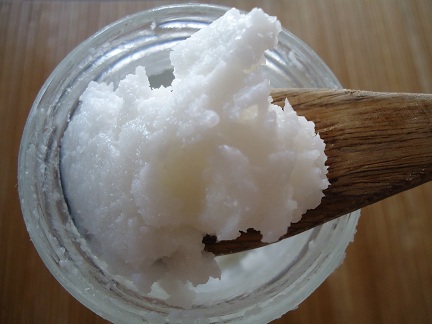
Well there I go again, taking another couple week hiatus from typing my articles.  I'm sorry folks, summer is just a busy time for me.  I just got back from the trip of a lifetime to Kauai, Hawaii.  That's right, for 8 days I was immersed in the warm Pacific ocean, the constant cool Hawaiian winds, and more sunshine than my skin knew what to do with.  And there were fruits everywhere!!!  Trees with papayas, mangos, bananas, and of course, coconuts.  I'll let you in on a little secret:  Coconut is probably my favorite fruit of all time.  Something about the taste of it is just so incredible, and so heartily satisfying.  Getting some fresh coconut meat in Hawaii was a dream come true.  But the coconut isn't like your average fruit.  It's nutritional properties are quite unique, and while its still an extremely healthy food, its healthy in a different way than most other fruits.  In fact, the coconut is composed mostly of a substance you wouldn't think sounds very fruity: 

FAT!!!  

That's right, coconuts are composed of mostly fat. And not just any old fat, but that super scary crazy spine tingling SATURATED FAT!!!  OMG!!!  Crazy right?  Now stop freaking out for a second and let me explain something.  This saturated fat is very, very, VERY good for you.  I've said a million times and I'll say it again:  fat doesn't make you fat.  The fat in coconuts not only gives the fruit an amazing taste, but it also does many positive things for your body.  The saturated fats in coconuts (or specifically the oil in coconuts) isn't a long chain fatty acid like we find so often in products made with hydrogenated oils, but instead are medium chain fatty acids which behave quite differently.  These fatty acids have been shown to have anti-oxidant properties, as well as the ability to speed up your metabolism.  That's right, eat fat to burn fat, sounds great doesn't it?


Now you may be remembering all those times you've heard that saturated fat will destroy your heart, clog up your veins, and in general destroy your circulatory system.  I'll say this right now:  there is no proof that the saturated fats in coconuts will cause any harm on bad cholesterol levels or overall heart health, and in fact there is much evidence to suggest the contrary.  Trans fats from hydrogenated oils are the real killers out there, not the natural saturated fats in coconuts.  In fact, by consuming the fats in coconuts, you're actually encouraging your body to use fat as an energy source, which may help you shed a few pounds.  And to all who are still in the dark about the powers of fat, it's an EXCELLENT energy source.  It's actually better than any carbohydrate, because it has more energy per unit of mass.  Cool, right?

But coconuts don't just stop at the fat benefits.  They're also rich with vitamins C, B1, B2, and B3.  This convenient vitamin package will help boost immune system health and support a fast burning metabolism which will keep you energized, strong, and of course, lean.  Coconuts are actually quite low in sugar compared to most fruits as well, which is a welcome change from the normal enormous insulin spike you get when eating apples, grapes, or bananas.  In terms of overall calories, coconuts are actually a very calorie dense food, and I bet you can guess why:  the fat of course!  This means they're an AWESOME energy source, but make sure you plan your daily diet accordingly, because a coconut could bump you over your daily caloric goals quite easily.  Here's the nutritional information for a coconut:

Nutrition Facts
Serving Size 1 cup of shredded
 
Amount Per Serving
Calories from Fat 241
Calories 283
 
% Daily Values*
Total Fat 26.79g41%
 Saturated Fat 23.758g119%
 Polyunsaturated Fat 0.293g 
 Monounsaturated Fat 1.14g 
Cholesterol 0mg0%
Sodium 16mg1%
Potassium 285mg 
Total Carbohydrate 12.18g4%
 Dietary Fiber 7.2g29%
 Sugars 4.98g 
Protein 2.66g 
 
Vitamin A 0%Vitamin C 4%
Calcium 1%Iron 11%
*
That's a bunch of calories, eh?  But don't be afraid, believe me it's worth it to fit coconut into your diet.  It's extremely good for you and tastes absolutely delicious.  It's definitely one of the most interesting fruits out there, and will always be one of my favorites.  But remember though, if you ever travel to Hawaii, or another place where coconuts grow rampant, that more people are killed each year by a coconut to the head than are killed by sharks.


And with that, I say, GOOD LUCK!

References:


Thursday, March 29, 2012

Food Worship #13: Grapefruit


I am a huge fan of the grapefruit.  If given the opportunity, I'll eat at least two a day, sometimes more.  They're juicy, delicious, filling, packed with nutrients, and HUGE.  They're a fantastic source of natural sugars, and boy do they taste great.  Many of you are probably familiar with the grapefruit as a breakfast food, and probably remembering preparing it by sawing it in half, adding some sugar, and digging in with a spoon.  But did you know that eating these things as you would an orange works just as well?  A ripe grapefruit is plenty sweet on its own, and if you can eat one in its natural state (without the added sugar) you're doing your body a TON of good.  And as I always do with this article series, let's look a little closer at the grapefruit.

Firstly, where does this thing even come from?   Well, it's a subtropical citrus fruit, and actually the largest producer of grapefruits in the world is our own United States of America (obviously in the more southern parts, where it stays a little bit warmer.)  The actual tree that sprouts these remarkable fruits is an evergreen tree, which to me seems somewhat strange, but then again nature always seems to confuse me at least slightly.  Grapefruits generally come in three main varieties, containing either red, white, or pink flesh.  I've only tried the first and the last, and I can say both are absolutely heavenly.  But what makes the grapefruit so darn healthy?  Let's explore a few of the unique health beneficiaries a grapefruit possesses.


Antioxidants:  The grapefruit is packed with a large amount of the very beneficial antioxidant lycopene, which can help to protect your cells from oxidative damage from free radicals.  This means grapefruit has an anti-carcinogenic effect, which I'll take any day of the week.  In fact, a study was recently done on a large group of men, and it was found that men who consumed foods rich in lycopene (such as grapefruits, tomatoes, etc.) had an 82% less chance of contracting prostate cancer.  That's pretty amazing.

Lowers Cholesterol:  Grapefruits have the fantastic ability to significantly lower cholesterol levels.  They contain a type of fiber called pectin which slows the process of atherosclerosis, which in layman's terms means that consumed high cholesterol foods are less effective at raising LDL or "bad" cholesterol.  Red grapefruit also lowers blood triglycerides, another nice benefit to get whenever you can.

Low Calorie:  Surprisingly, despite grapefruits being so large, they're actually a low calorie fruit.  Even the big ones only have about 100 calories, which is fantastic if you want a nice, filling meal without all the calories you're trying so desperately to avoid in your quest for a slimmer waist.  And believe me, a grapefruit can really bulk up a meal.  They're loaded with water, meaning they're very filling.  After you eat an entire grapefruit, you'll more than likely stay satisfied until your next scheduled meal, meaning it's much easier to stay on track with your diet.

Vitamins/Minerals:  Grapefruits are packed with these little guys, and everyone will do your body and mind a whole-lotta good.  Probably the most significant vitamin in grapefruit is vitamin C.  A grapefruit has a whopping 70% of your daily vitamin C, which besides being a great immune system booster also has awesome anti-inflammatory and anti-oxidant effects.  Honestly, the more you can get, the better.  Grapefruit is also very rich in vitamins A, B5, and B1.  In terms of minerals, grapefruit is a great source of potassium.

Fiber:  Last but not least, grapefruits, like most fruits and veggies, are packed with fiber.  This stuff is extremely important to get a lot of, and will help to keep your digestion system healthy as well as provide a full, satiated feeling for hours on end.  That's a pretty sweet double whammy.


So there you have it, a little look at a pretty hefty fruit.  As I've said many times before, I LOVE grapefruits and eat them on a regular basis.  I suggest you do the same, as they give a great energy boost and have a TON of healthy features inside that peel.  What are you waiting for?  Go pick some up and enjoy!

Keep peeling, munching, and living healthy.  GOOD LUCK!


References:
http://en.wikipedia.org/wiki/Grapefruit
http://www.whfoods.com/genpage.php?tname=foodspice&dbid=25

Saturday, February 25, 2012

Universal Creatine *Review*

Sometimes, the simplest, purest, most basic things in life work out the best for you and your goals.  When things get too complicated, too fruity, too doctored up and fooled around with, their real effectiveness can really be brought into question.  Take one step into GNC and you'll see exactly this, supplements with so many ingredients they basically sell you a novel along with the powder.  Are some of the supplements effective?  Sure thing!  But they sure are complicated, and if you don't know what to look for, you can end up paying a lot of money for something that doesn't do much at all.  Isn't there anything out there that's simple and effective?  Something you can trust, and just plain works?


Yes, as a matter of fact there is.  It's called Universal Creatine Monohydrate.  Now I've done an article on creatine before, and as I've said, creatine is the old school powerhouse in muscle building.  It was one of the first supplements ever to hit the shelves, and it's still one of the most tried and true muscle builders out there today.  Why do so many people use such an old, seemingly outdated supplement?  Because it works, that's why.  And believe me, almost anyone who knows their stuff as far as supplements go will tell you that good ol' creatine is something they'll always turn back to after their complex BCAA glutamine super amino blah blah pills have left them with little to show for their money.

Now don't get me wrong, companies have definitely tried to improve creatine over the years.  Right now you can buy creatine "blends" from all sorts of manufacturers like Muscle-tech, BSN, Muscle Pharm, BPI, Driven Sports, and countless others.  These blends are filled with strange forms of creatine like "creatine ethyl ester," and "micronized creatine," along with the original creatine monohydrate.  And boy, will they all suck your wallet dry quickly.  I'm not saying they don't work, and I'm definitely not saying they don't taste good, but I will say that you can get quite a bit more bang for your buck if you look at the simpler stuff from Universal.  There is no study out there that proves one form of creatine is better than another, and a TON of studies that back up the raw effectiveness of simple creatine monohydrate.  And the good news for you is that pure, unflavored creatine monohydrate is cheap.  That's why I firmly believe that Universal Creatine Monohydrate is one of the best supplements you could ever buy for your money.

What's in it?  Nothing but certified pure, unflavored, creatine monohydrate.  One serving size is 5 grams, or one teaspoon.  In a 200 gram container you'll get 40 servings (yay math), and two of these bottles packaged together from bodybuilding.com costs you $12.  One 300 gram bottle costs only $8.65.  If you're a veteran at buying supplements, you'll know that price is DARN CHEAP, and that amount of product will last you for quite a while (definitely enough for one to two full cycles.)


300 GramsUnflavored
Serving Size1Teaspoon(5g)
Servings Per Container60
Amount Per Serving% DV
Creatine Monohydrate5g*
* Daily Value (DV) not established.
Other Ingredients:
Contains Pure Micronized Creapure® Creatine Monohydrate.
Made in a GMP facility that uses milk, soy, egg, peanuts.


How's it taste?  Like what ever you put it in.  It's unflavored, which may be a bit of a buzzkill when you first get it, however you'll soon realize is actually a big bonus because you can throw it in with pretty much any drink and never know it's there.  Even in plain water it doesn't reveal itself as a supplement, it just goes right down your gullet with no nasty aftertaste or texture.  I usually stick one teaspoon in with my pre-workout, and another in with my post workout shake.  Again, I cannot ever tell the difference, and it's great to know I'm getting my muscles all that creatine with so little hassle.

How's it mix?  Well, creatine monohydrate mixes OK, but never fully dissolves, so at the end of your drink I suggest swishing the little bit of liquid left around the glass a couple times, then quickly chugging it to avoid a little pile of undissolved powder at the bottom of your glass.  This tiny issue in mixibility isn't the product's fault though, it's just the properties of creatine mono itself.  Not hard to overcome though, as long as you're capable of keeping track of how much liquid you have left.

Does it work?  YES!  YES IT DOES!  I've been on a horrendously difficult training program, and even consuming more food was not drastically helping my strength gains.  I decided to go back on creatine (I had used it years ago, and took a long hiatus).  My god, my workouts are entirely different!  I feel stronger, more energized, like a true beast.  I've hit a few new PR's in one week on this stuff, and just keep wanting to hit the gym over and over again.  It's a great feeling, and it's a common result of creatine supplementation.  Creatine will increase energy levels, muscle volume, and protein synthesis (it helps your muscles to more effectively build up bigger and stronger each time after a workout.)  If you want strength gains, get on creatine, it's as simple as that.

How do I take it?  Well, there's controversy on this topic, but in general there are two main trains of thought.  The first supports what's called a "loading phase," which is meant to saturate your muscles with creatine over a period of five days by taking 20 grams of creatine per day (4 tsps), then cut back to around 10 grams per day for the remaining 4-5 week cycle.  The second train of thought says to nix the loading phase and just enter in with a normal daily dosage of 10 grams per day, which will eventually saturate your muscles to the same level as with loading.  I personally side more with the loading phase, as it really does seem to more quickly get creatine into your system (your muscles take time to absorb larger amounts of creatine than natural levels, so you're basically "forcing" more into them), and you'll see better results sooner.  I doubt you'll see much difference either way, but read up on the subject if you're really interested.


Regardless of the initial method of starting supplementation, you want to remain on creatine for 4-5 weeks, then cycle OFF creatine and allow all the extra to completely wash out of your system.  This takes a lot of stress off of your kidneys, and allows them to recover (because they'll be working double time to filter all that excess creatine out of the liquids you're drinking.)  Also, your body likes to maintain a stable equilibrium above all else, and therefore continued usage of extra creatine supplementation will eventually lose its powerful strength building effect (you'll build up a tolerance to a point where the creatine is ineffective).  By cycling off creatine, you can get greater strength gains when you eventually cycle back on.  And after this 4 week "wash out," you can immediately cycle back onto creatine if you wish, and just keep repeating the process.

How does this stuff even work?  Well, in the most basic sense, creatine works in two ways.  First, it volumizes your muscles by hydrating them to extreme levels.  It pulls a LOT of water into your muscle fiber, which has been shown to drastically increase the efficiency of protein synthesis.  Secondly, creatine adds to readily available energy stores by converting to adenosine-triphosphate or ATP (your muscles' main energy source) when your original stores of ATP run out.  This means that if you exhaust your muscle ATP in 8 reps without creatine, when you have extra creatine in your muscles it can be rapidly converted to form more ATP and you can keep pushing for a few more reps.  Those extra reps will translate directly into strength gains, and therefore you'll get stronger, faster.

Note:  You must drink a LOT of water with creatine, and don't be surprised if you seem to soak it all up like a sponge.  Slight water bloating is completely normal with creatine supplementation, and it's not unusual to gain 3-4 lbs of water weight in the first week upon starting it.  But seriously, when it comes to water, try for a gallon a day at least.

All in all, Universal Creatine may be the best bang for your buck out there on the market today.  It's certified to be some of the purest creatine monohydrate you can buy, and therefore you can be sure you're getting maximum benefits from every teaspoon you take.  You can expect immediate strength gains, muscle volume, and increased energy from this stuff, which is a lot more than you can say for other, more expensive supplements.  Yup, when it comes to creatine, Universal will be my brand of choice again and again.  I rate it a 10/10.  It's cheap, effective, and SIMPLE.  I love it.

Here's the link to the order page:  http://www.bodybuilding.com/store/univ/creatine.html

Crank hard, lift heavy, and as always, good luck!

Friday, February 10, 2012

Energy Shots: Are they healthy?


I'm guessing that by now you've been in enough gas stations and grocery stores to notice the little cardboard boxes of capsules near the register, with every bottle proclaiming something along the lines of "5 Hour Energy" or "worX Energy."  You've also probably seen the commercials stating how great these little capsules are and exactly what they can do for you in terms of energy and alertness.  But what are these things?  And what exactly is in an energy shot?  Let's explore them a little more closely, and see if we can determine whether or not these things are healthy/beneficial for your body.

5 Hour Energy's biggest slogan is "hours of energy now, no crash later."  Is that really possible?  How can you suddenly get a huge energy high, but avoid the inevitable spiraling down later in the day?  Well, this is partially accomplished in energy shots because they're so darn light.  By light, I mean they're sugar and carbohydrate free.  Sugar is the main culprit for energy crashes due to glucose fluctuations affecting the body.  Take away the sugar, you take away a large portion of the problem.

But then, where does the energy come from?  Well, it's not hard to guess, and I believe you could get it right first try.  Caffeine!  That's right, those little energy shots, despite sounding so darn fancy and new-age, have caffeine as their main energy source.  Now keep in mind, it isn't some ridiculous amount of the stuff.  They claim it's comparable to a cup of premium coffee, and from all that I can gather they're just about right.  Coffee generally has about 100-200 mg of caffeine per cup, and 5 hour energy has about 140 mg of caffeine.  So you're not getting any insane dosage from those little shots, you just have to be careful because they're so easy to drink quickly due the tiny amount of liquid.  Don't go overboard.

Another small assist to the caffeine dose in 5 Hour Energy and other energy shots (6 hour power, worX, etc.), is an added blend of amino acids like taurine, citicoline, and tyrosine.  These amino acids have varying effects on certain body parts that tend to help the caffeine to do its job more effectively.

And of note, while I'm not sure if other energy shots do this, 5 Hour Energy completely loads their energy shot with massive amounts of B vitamins.  In fact, with one shot of 5 Hour Energy you'll be getting 2000% of your daily value of vitamin B6, and 8333% of your daily value of vitamin B12.  That's a LOT of B vitamins.  Now it should be mentioned that these vitamins are water soluble, so if you keep your water intake high for the day you should be able to flush out any extra unused amounts of these dosages.  YOU SHOULD MAKE A POINT OF DRINKING MORE WATER on a day you take 5 hour energy though, because this amount of B vitamins really isn't necessary for your body, and it's going to need to get rid of some to prevent an eventual overdose.  It's not something to freak out about, but have at least two more glasses of water than you normally would on any other day.


Can you get addicted to these energy shots?  Sure can, but that goes for any caffeinated drink.  Caffeine IS addicting, and it's one of the most common addictions out there right now.  It's not a horrible thing if managed, but don't start drinking 3-4 energy shots per day, because they'll start reeking havoc on your body.  Keep these things as an "every now and then" kind of thing, because they are very concentrated.

But do they work?  Of course they do!  I've taken energy shots on multiple occasions and been quite pleased with the resulting focus, alertness, and energy.  If anyone ever asks about them, I tell them what I'm telling you.  They're not dangerous if they're managed, and believe me I actually think they're quite a bit healthier than your average cup of coffee.  Why's that?  Because they have no added sugar, a ton of added vitamins and amino acids, and between 0-4 calories.  Not bad in my book.

In case you're interested, here are the caffeine dosages in a bunch of different leading energy shots:


DrinkFluid ouncesCaffeine (mg)mg/floz


So there's the scoop on those little bottles.  At the end of the day, they're nothing that'll kill you, and they can actually be quite helpful.  Are they healthy?  Well, I'll just say they're not unhealthy.  However they won't do anything for your diet that another food couldn't do a LOT better.  They're just a quick boost when you really need it.  And they do work, believe me.

Respect the shots, keep alert, and as always, GOOD LUCK!


References:
http://www.energyfiend.com/the-caffeine-database
http://www.pain4glory.com/5-hour-energy-drink/
http://www.5hourenergy.com/ingredients.asp