Showing posts with label saturated. Show all posts

Tuesday, August 7, 2012

Coconuts: A Peculiar Fruit

Well there I go again, taking another couple week hiatus from typing my articles.  I'm sorry folks, summer is just a busy time for me.  I just got back from the trip of a lifetime to Kauai, Hawaii.  That's right, for 8 days I was immersed in the warm Pacific ocean, the constant cool Hawaiian winds, and more sunshine than my skin knew what to do with.  And there were fruits everywhere!!!  Trees with papayas, mangos, bananas, and of course, coconuts.  I'll let you in on a little secret:  Coconut is probably my favorite fruit of all time.  Something about the taste of it is just so incredible, and so heartily satisfying.  Getting some fresh coconut meat in Hawaii was a dream come true.  But the coconut isn't like your average fruit.  It's nutritional properties are quite unique, and while its still an extremely healthy food, its healthy in a different way than most other fruits.  In fact, the coconut is composed mostly of a substance you wouldn't think sounds very fruity: 

FAT!!!  

That's right, coconuts are composed of mostly fat. And not just any old fat, but that super scary crazy spine tingling SATURATED FAT!!!  OMG!!!  Crazy right?  Now stop freaking out for a second and let me explain something.  This saturated fat is very, very, VERY good for you.  I've said a million times and I'll say it again:  fat doesn't make you fat.  The fat in coconuts not only gives the fruit an amazing taste, but it also does many positive things for your body.  The saturated fats in coconuts (or specifically the oil in coconuts) isn't a long chain fatty acid like we find so often in products made with hydrogenated oils, but instead are medium chain fatty acids which behave quite differently.  These fatty acids have been shown to have anti-oxidant properties, as well as the ability to speed up your metabolism.  That's right, eat fat to burn fat, sounds great doesn't it?
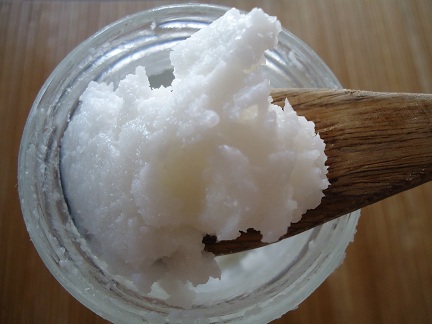


Now you may be remembering all those times you've heard that saturated fat will destroy your heart, clog up your veins, and in general destroy your circulatory system.  I'll say this right now:  there is no proof that the saturated fats in coconuts will cause any harm on bad cholesterol levels or overall heart health, and in fact there is much evidence to suggest the contrary.  Trans fats from hydrogenated oils are the real killers out there, not the natural saturated fats in coconuts.  In fact, by consuming the fats in coconuts, you're actually encouraging your body to use fat as an energy source, which may help you shed a few pounds.  And to all who are still in the dark about the powers of fat, it's an EXCELLENT energy source.  It's actually better than any carbohydrate, because it has more energy per unit of mass.  Cool, right?

But coconuts don't just stop at the fat benefits.  They're also rich with vitamins C, B1, B2, and B3.  This convenient vitamin package will help boost immune system health and support a fast burning metabolism which will keep you energized, strong, and of course, lean.  Coconuts are actually quite low in sugar compared to most fruits as well, which is a welcome change from the normal enormous insulin spike you get when eating apples, grapes, or bananas.  In terms of overall calories, coconuts are actually a very calorie dense food, and I bet you can guess why:  the fat of course!  This means they're an AWESOME energy source, but make sure you plan your daily diet accordingly, because a coconut could bump you over your daily caloric goals quite easily.  Here's the nutritional information for a coconut:

Nutrition Facts
Serving Size 1 cup of shredded
 
Amount Per Serving
Calories from Fat 241
Calories 283
 
% Daily Values*
Total Fat 26.79g41%
 Saturated Fat 23.758g119%
 Polyunsaturated Fat 0.293g 
 Monounsaturated Fat 1.14g 
Cholesterol 0mg0%
Sodium 16mg1%
Potassium 285mg 
Total Carbohydrate 12.18g4%
 Dietary Fiber 7.2g29%
 Sugars 4.98g 
Protein 2.66g 
 
Vitamin A 0%Vitamin C 4%
Calcium 1%Iron 11%
*
That's a bunch of calories, eh?  But don't be afraid, believe me it's worth it to fit coconut into your diet.  It's extremely good for you and tastes absolutely delicious.  It's definitely one of the most interesting fruits out there, and will always be one of my favorites.  But remember though, if you ever travel to Hawaii, or another place where coconuts grow rampant, that more people are killed each year by a coconut to the head than are killed by sharks.


And with that, I say, GOOD LUCK!

References:


Saturday, July 7, 2012

Eat Fat Get Thin


OK, just a warning, I'm about to blow your mind.  That's right.  You will soon be so astounded that you may have to rethink all you thought you knew about dieting, losing weight, and gaining muscle.  Also, what I'll say kind of goes against some advice I've been giving (but not really) so far.  Are you ready?  Are you sure?  You say yes...but I'm still thinking you're going to be pretty surprised.

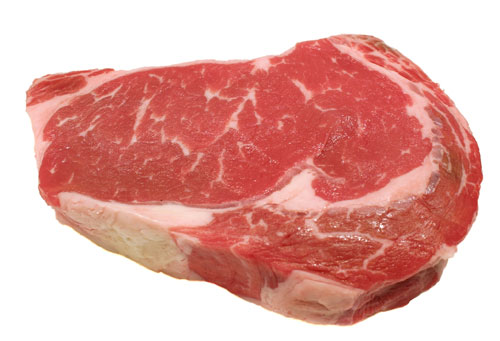
Remember when people told you to eat only lean meats?  How about when your mother and father told you at the dinner table to cut off all that fat on the side of the steak?  That globby white stuff that was so delicious, yet everything you ever read said that it would kill you?  Destroy your heart?  Clog your veins?  REMEMBER THAT??

Well I'm here to tell you that...surprise surprise..............THEY'RE WRONG!!!!!!  THAT STUFF IS ACTUALLY GOOD FOR YOU!  Imagine with me for a second.  Your distant ancestors, the cavemen of ancient times, survived on meat, and lots of it.  There was no sort of "dieting" going on back then.  If you were a vegetarian, you died.  If you refused to eat meat because it wasn't "lean" enough, you died.  You ate when there was food.  That's that.  Now cavemen didn't live very long, I'll give you that, heck their lifespan was only about half of what ours is now, at best.  But evidence shows that's not because of their diet, its more because of, well, predators, disease, and other misfortunes either brought on by nature or...stupidity.  In fact their diets were pretty darn good for what they needed to do, which was a LOT in one day.  Run, hunt, swim, climb, jump, run some more, all on nothing but raw foods and meats.  Not so bad, eh?


And when it comes down to it, the men of ancient days ate a LOT of saturated animal fat.  Did it cause them heart attacks and clogged veins?  Nope.  Saturated animal fat is a remarkably powerful source of energy, and kept them running hard all day.  And despite people thinking it'll clog your system and kill you in a few years, they're completely wrong.  It's a complete MYTH that saturated animal fat destroys your heart and circulatory system, as is summed up conveniently in this quote:

"A hundred years ago, fewer than than one in one hundred Americans were obese, and coronary heart disease was unknown."

One hundred years ago, people WEREN'T cutting the fat off their meat.  Foods were more natural, more pure, more RAW.  cholesterol levels were low, plaque in the veins didn't stick, and hearts beat more strongly.  It's simple, yet baffling at the same time.  But remember this:  People with the highest amount of saturated fat in their diet actually have the lowest risk of heart disease.  CRAZZYYY...RIGHT?

So why is saturated animal fat actually good for you?  Well instead of getting deeply into everything, I'll just list a few immediate benefits.  Saturated animal fat has been PROVEN to promote a healthy circulatory system, support immune system strength, allows for skin to remain healthy and vibrant, is an EXCELLENT energy source, and also.....here's the kicker...PROMOTES WEIGHT LOSS.

So if this stuff is so great, why are we so afraid of it?  Well in the 90's, there was a big movement called the "fat scare."  Just because the word fat means both a state of unfortunate bodily situation AND is a piece of food composition, food companies linked them up and began marketing "low fat" foods to get more customers.  They took fat out, sure, but guess what they put in instead.  Highly refined carbohydrates such as starches and sugars.  THOSE are what made America fat.  Yes, that's right, carbs make people fat, not fat itself.  Now remember I'm not against carbs, not by a long shot.  But if you're going to eat carbs, make sure they're quality, complex carbs.  Whole wheats and grains, as unrefined as possible.  Ya feel me?


Now time for the disclaimer.  Notice how the main subject of this article is saturated ANIMAL fat, not just saturated fats in general.  When it comes to sat fats, they are not all created equal.  Processed, man made fats do not have the same kind of benefit as the pure saturated fats from animal meat.  In fact, many processed fats WILL raise your bad cholesterol and CAN lead to heart problems.  Avoid trans fat and other processed foods rich in saturated fat, as they will do you no good.

So how would I suggest you change your diet?  Well, first of all, don't go crazy.  Don't worry about eating some of the fat on that dinner meat, as it will only do you good when kept within calorie limitations.  Now remember that fat is a great energy source for a reason, which is that it contains the most caloric content per unit of mass.  What does this mean?  That means that if you have 6 oz of super lean chicken, and 6 oz of fatty beef, the fatty beef will have more calories and less protein, as some of the mass is taken up by fat instead of muscle.  Make sense?  This means that if you're looking for the largest protein content, lean meats are still the way to go.  Does this mean that you should be afraid of the fatty meat?  I think we've already covered this........no you shouldn't.  It all just depends on what you want.

So there.  Your mind is blown.  Now go eat some fat.

GOOD LUCK!!!!


References:
http://yuru.com/blog/2011-01-were-cavemen-healthier
http://articles.mercola.com/sites/articles/archive/2011/09/01/enjoy-saturated-fats-theyre-good-for-you.aspx
http://articles.mercola.com/sites/articles/archive/2010/10/22/coconut-oil-and-saturated-fats-can-make-you-healthy.aspx


Wednesday, April 25, 2012

Fear Of The Unlabeled


I recently had a discussion with one of my friends, and an interesting topic arose concerning eating healthy and controlling calorie intake (I have such interesting conversations, don't I?)  He mentioned that he was afraid of eating foods that didn't have nutritional labels associated with them, for fear of consuming too large an amount of calories, or other bad stuff (like trans fat) without ever knowing it.  I too used to have this fear, big-time.  It's a common one.  Heck, if you don't know what's in your food, how are you supposed to know if it's healthy?  It's a legitimate quandary, and I decided right then and there that I would write my next article on that very subject, namely, how to get over the fear of unlabeled food.

Firstly, I'd like to say one thing:  YOU DON'T HAVE TO BE AFRAID OF EVERY FOOD THAT DOESN'T HAVE A LABEL.  Why not?  Because some of the healthiest stuff in the entire WORLD doesn't have a nutritional label on it.  For instance, go and pick yourself an apple.  Does it come with a nutritional label pasted to its skin?  Nope.  Does this mean it's not healthy, and you shouldn't eat it?  NOT AT ALL!  In fact, you'd do well to eat that apple right at that very instant and start benefiting from the enormous amounts of nutrients it contains.  The same goes for fruits, nuts, and vegetables.  In their natural form, there's no way they could be bad for you.  Just absolutely no freaking way.  In fact, almost every single container of organic food you can buy at your local health food distributor will NOT have a nutritional label, and yet those foods will do so much more good for you than any sort of boxed crud you could get at any old grocery store.  So if you see a bowl of apples sitting there in the cafeteria, or a bucket of tomatoes at the salad bar, don't avoid them.  Dig in.  You won't get fat, you won't have a heart attack, and you WILL make your body healthier.


But that's a no brainer...right?  Yeah, I thought so.  So what about the more complicated stuff?  Let's look at the situation I'm regularly in when I go to my school's cafeteria.  They make a LOT of healthy food, and a LOT of crappy food as well.  And rarely is any of it labeled correctly (though they are trying, I'll give them that.)  But do I stress?  Not one bit, because I know what to look for.  That means I can look at a plate of sauteed vegetables, and tell if the cooks have used too much oil, or if there's a sugary glaze overtop of them to make them more appetizing.  And this is what you need to do.  With complex dishes, you need to use a combination of past knowledge (what have you eaten in the past similar to this, and how was it made?), and a discerning eye for ingredients (know what oil looks like, know what fried foods look like, and determine what ingredients make up the entire dish.)  If it's a relatively plain dish, as in no glaze or anything like that, you can assume that those veggies aren't any more caloric than the raw ones at the salad bar.  If it's a stir fry, I still wouldn't be worried, you can easily account for a few extra (healthy) calories and still have a good meal.  Heck, a little cooking oil will give you some healthy fat in your diet.  If those veggies are rolling around in sloppy meat and brown sauce, skip them, as you know they've been too doctored up to really be beneficial for you.  It's not a hard concept, go with stuff that looks more plain, or more sparingly dressed.

What about meat?  Well that can be a little more daunting, but still not a horrible situation.  Breaded or fried meats are generally a no-no, as they'll have many more calories (sometimes almost double the plain variation), and a lot of bad fats that you know won't do you or your figure any good.  Heavily sauced meats are generally in the same boat, and you should avoid things smothered in BBQ sauce or a sugary marinade.  If the meat is only spiced (seasoning baked in), it could be just fine, or it could have excess sodium.  That one's really a toss up, but a little salt every now and then will do no harm.  In my opinion though, the plainer the meat, the better.  Go for the grilled or poached chicken, or a medium portion of turkey/beef.  I'd stay away from pork and fattier cuts of beef, as they'll be the secret killers, ESPECIALLY if they're unlabeled.  Fish is an AWESOME choice as long as it's not fried.


Also, you have to know your portions.  6 oz of meat is a decently thick piece about the size of your palm.  6oz of any sort of plain meat ranges from 120-250 calories, based on whether it's chicken, pork, fish, steak, etc.  Knowing portions is just as important as knowing ingredients just by looks.  If the cuts are too big, slice it in half and throw out the rest (or give it to your friend who loves meat.)  Not hard, right?

Another reason NOT to be afraid of unlabeled food is as follows:  Just because a food has a label, doesn't mean it's healthy.  Just 'cause you know how many calories are in an Oreo doesn't mean eating them is a healthy choice.  Heck, have you seen a Lean Cuisine package?  I picked one up the other day, and my jaw nearly dropped open at how many chemical ingredients were in that thing.  Low calorie?  Sure.  Healthy?  NOT EVEN CLOSE!!!  You'd be better off eating a piece of meat that you had no freaking clue how many calories were in rather than one of those things.  Ridiculous.

So here's the bottom line.  If you want to eat as healthily as possible, you have to move away from labels.  The healthiest stuff on earth is unlabeled, and you have to deal with it.  I'm pretty sure most of what I eat doesn't have nutritional labels on it, and I'm seeing fantastic results in both strength an leanness as I continue to train.  Don't be a label addict.  It'll only limit your diet to the point where you're absolutely stifled when it comes to mealtime.  If you're a serious addict, you can always look up nutritional information online after (or before) the meal.  But seriously, don't stress.  It'll only cause tension, hormone imbalance, and in this case, hunger.  Remember one thing:  calories aren't all that matters.  Nutrients are where it's at.

Know your portions, know your ingredients, and as always, GOOD LUCK!

Monday, April 2, 2012

Our Daily Eats "Spicy Maple Pepitas" *Review*


I'm back with another fantastic snack that I've recently had the pleasure of stuffing my face with in every possible instance.  As you may or may not know by now, I like things with flavor, things that can kick you in the mouth a little bit with a spicy, sweet combination, yet keep your belly full and waist trim at the same time.  I don't come across store bought snacks that provide this unique feeling too often, yet today I'm pleased to say that a new food has graced my plate with its presence and given me something I truly enjoy.  They're made by a company called Our Daily Eats, and are named creatively "Spicy Maple Pepitas."

So what are these things exactly?  Well, they're pumpkin seeds to be exact.  Small ones, that are spiced up with cayenne pepper and maple syrup.  If that doesn't sound like a combination made in heaven, I don't know what does.  And as far as taste goes, these things really hit the spot.  They're exactly what you'd expect, spicy and interesting, yet deliciously sweet at the same time.  If you're not a huge spice fan, don't worry, these things don't burn, they just let you know they're there with a nice little twinge of flame.  And the maple syrup...well coming from Vermont you can already tell I'm a fan.  I love maple syrup, and I truly believe it is a PERFECT addition to these spicy little seeds.  Together they create a very unique taste that I believe you must taste ASAP.


But what about the actual nutritional profile of these seeds?  Well, as you know, I don't eat food that's not healthy/beneficial toward my body in some significant way, much less write a review on it.  And I'm pleased to announce that the nutritional profile on these pepitas is AWESOME!  Let's look a little closer, shall we?

Ingredients:  This is the first thing that caught my eye.  There aren't any chemical/artificial additives!  In fact, the only ingredients are: Pumpkin seeds, maple syrup, cayenne, and sea salt.  That's FANTASTIC!  Seriously, they don't even have any artificial sweeteners, or even added sugar (other than the maple syrup, which is considered a purely natural sweetener that is MUCH better for you than the granulated stuff).  Normally if you see salt on an ingredient list, you need to be wary of sodium content, but NOT THIS TIME!  We'll get more into that later.  But like I said, this list is short and sweet, and completely fulfills the claim "100% natural" that's boasted on the package.  PERFECT!  

Caloric content:  Now as we know, nuts and seeds tend to be very calorie dense, but they're also quite filling, so you're unlikely to go hog wild on such a product.  1/4 cup of this product has 125 calories, which is quite managable and is a PLENTY decent serving size if you're looking for a quick, midday snack.

Added Nutritional benefits:  As the package states, pumpkin seeds are quite rich with unsaturated fats and Omega-3 fatty acids, which you can pretty much always use more of.  They're extremely heart healthy, and lower your risk for heart disease or other cardiovascular health ailments if consumed on a regular basis.  They also help lubricate your joints and keep things sliding smoothly, keeping you mobile as age creeps onto all of us.  Pumpkin seeds are also very rich is minerals such as iron, zinc, and manganese, and have good helpings of vitamins C and E.

Sodium content:  Now usually you have to be wary of packaged nuts and seeds for their sky high sodium counts, but not this time.  In fact, per serving, there are only 85 mg of sodium, which is EXTREMELY low compared to most other similar products.  There's just enough salt there to support the delicious flavor, without causing that sodium level to skyrocket.  Awesome!

Entire Nutritional Information:

Serving Size: 1/4 Cup
Calories: 125
Total Fat: 5 g
   Saturated Fat: 1 g
   Trans Fat: 0 g
Cholesterol: 0 g
Sodium: 85 mg
Total Carbohydrate: 15 g
   Dietary Fiber: 0 g
   Sugars: 3 g
Protein: 1 g

So would I recommend this product?  ABSOLUTELY!  They're ridiculously delicious and are a great tool to either trim down or bulk up, or even just maintain your weight.  They're very healthy, and are a refreshingly powerful flavor compared to most other bland health food.  Just watch the serving size and you're golden.  Excuse me while I go and have another handful...


Eat healthy, stay creative, and as always, GOOD LUCK!

Monday, January 9, 2012

Food Worship #7: The Cashew


For some reason, nuts get a bad rap.  People stay away from all sorts of nuts just because of their caloric density and high fat content.  While I'm sure I've gone over this in previous articles, I might as well say it again.

NUTS ARE ONE OF THE HEALTHIEST FOODS YOU CAN EAT!

Why is this?  Well first of all, sure they're high in calories, but nearly every single one of those calories is derived from some of the greatest stuff around: Heart healthy unsaturated fat, and protein.  In their raw form, nuts are extremely low sodium, low carb, and therefore also very low in sugar.  And it'd do you well to remember this mantra:  Fat doesn't make you fat.  The unsaturated fat in nuts is actually shown to reduce the risk of obesity.  Many people eat handfulls of nuts, hundreds of calories, and continue to shed weight.  So let's get over our fear, shall we?

Now, let's discuss my favorite nut of all time:  The cashew.  I love almonds, hazelnuts, peanuts, walnuts, pecans, brazil nuts, and just about any other nut you can think of, but for some reason I always come back to the cashew for its rich, powerful flavor and chewy, yet somehow creamy texture.  Even the smell of cashews is enough to drive me bonkers.  They're just so good!

Here's the nutritional information for cashews:

Nutrition Facts
Serving Size
1 oz (28.3 g)
Amount Per Serving
Calories
156
Calories from Fat
112
% Daily Value*
Total Fat
12.4g
19%
Saturated Fat
2.2g
11%
Polyunsaturated Fat
2.2g
Monounsaturated Fat
6.7g
Cholesterol
0mg
0%
Sodium
3mg
0%
Total Carbohydrates
8.5g
3%
Dietary Fiber
0.9g
4%
Sugars
1.7g
Protein
5.2g
Vitamin A 0%Vitamin C 0%
Calcium 1%Iron 11%


But obviously, being a health food and fitness blog, let's explore a little further as to why exactly the cashew is so good for you, and why you should definitely make some room in your diet for a few of these little pieces of heaven:

Healthy Fat Content:  All right, we just went over this.  Cashews, like most nuts, have an extremely desirable composition of healthy fats.  In fact, cashews have one of the greatest "fat ratios" of all nuts in existence.  This means the ratio of the different types of fats that exist in cashews is the most optimal for health and weight loss. Read here:


Diet and Weight Management

Cashew nuts do have a relatively high fat content (12 grams per ounce, 2 grams saturated fat), but it is considered “good fat.” This is due to the agreeable fat ratio in the nut, 1:2:1 for saturated, monounsaturated, and polyunsaturated, respectively, which scientists say is the ideal ratio for optimal health.

In fact, people who eat more cashews (and other nuts in general) are actually at a lower risk of weight gain/obesity because they maintain a better dietary fat ratio, and in turn crave less of the nasty processed stuff.  In fact, good, healthy, unsaturated fats can keep you full for longer, and subdue those cravings for the food you really shouldn't be eating.

Zero Cholesterol:  That's right, this little nut is as heart healthy as can be!  It tastes so good it's amazing that it has zero cholesterol, and that the unsaturated fats it contains actually help support HDL cholesterol (commonly referred to as "good" cholesterol.)  Have a few cashews and keep that heart beating strong!

Protein Content:  I won't lie, nuts aren't the greatest protein source.  But they're definitely not bad!  Especially cashews.  As you can see by the nutritional facts, cashews have about 5 grams of dense protein per ounce, which can definitely help support muscle mass.  On a side note, not only will the protein in cashews help to rebuild those muscles after a hard workout, but the fat content in the nut will slow the digestion of ingested protein in order to feed your muscles for a longer period of time.  This means a handful of cashews is a great pre-bedtime snack, especially for those looking to pack on some serious lean muscle mass.

Vitamins/Minerals/Antioxidants:  Cashews are absolutely PACKED with all the other little good things your body needs, like magnesium and manganese for bone strength, copper for your immune system.  Cashews are also rich in phosphorus, biotin, and vitamin K.  These things are power packed for such a small little package.

Low Sodium:  That's right, when you don't get salted nuts, they're actually one of the lowest sodium snacks you could ever munch on.  Only 3 mg of sodium per ounce!  That's insanely low!  And believe me, you don't need that added salt to love cashews, their flavor is perfectly delicious when eaten just roasted.  Try a few!

So there you have it.  You can decrease your risk of obesity, increase your vitamin intake, help your heart to beat nice and strong, and rebuild those tired muscles all with one little EXTREMELY tasty snack.  Instead of those Tostitos, try a handful of cashews.  Your body and taste buds will thank you; that I can guarantee.

Embrace the nut, love the cashew, and as always, good luck!


References:


http://organiccashewnuts.com/health/


http://www.whfoods.com/genpage.php?tname=foodspice&dbid=98

Friday, October 21, 2011

Don't Destroy your Salad


I love salads.  All my friends will vouch for me on that one.  There's nothing like finishing up a delicious entree then finishing off the meal with some greens.  I bet many of you will agree that salads are delicious.  And they're healthy too, right?  I mean all those vegetables in one place, it's like the holy grail of bodily nutrients.  But hold on.  I'm here to tell you that your salad might not be as healthy as you think.  You may be accidentally creating a meal that's got a lot of unseen unhealthy elements to it.  Here's a few tips to make sure that your salad is liberated and can do your body the good it deserves.

No Dressing:  Ah!  Madness!  No dressing on a salad?  That doesn't sound too good, does it?  Hold on a minute.  I eat my salads plain every single day, and I can promise you not one of them is ever dry, bland, or distasteful in any way, shape or form.  What's my secret?  I use very juicy vegetables!  Every one of my salads is piled high with juicy yellow peppers, red beans and chickpeas, cucumbers, and my favorite, tomatoes.  Mix those around a little bit and your salad will take on a natural dressing that is actually quite tasty.  And once you pop a bite into your mouth and crunch into a fresh and juicy grape tomato, you'd never know there was no dressing.  I suggest you guys give it a try!

But why do I prefer not to dress my salad?  Well I'll tell you a little something.  That pile of ranch on top of your salad probably has at least twice the calories as the actual salad itself, along with a lot of artificial ingredients, sugars, saturated fats, and things of the like.  In my opinion it's a LOT of calories you don't need.  In fact only two tablespoons of traditional ranch has about 150 calories, and I see lots of people put on two to three times that amount.  That's just ridiculous.  The natural flavors of the vegetables are masked, and any sort of nutrient benefit from the salad is being overshadowed by the shear caloric weight of the ranch.  This goes with all sorts of dressings, just read the nutrition labels.  Thousand Island, italian, you name it, a lot of it will most likely be more than you bargained for.

But don't despair you dressing addicts.  Salad dressing is not inherently bad, and there are a lot of very healthy alternatives.  Let's discuss a few, and how they can make your salad absolutely delicious without adding many calories or other undesirables.

Salsa:  Yes, that spicy, chunky, juicy, delicious tomato paste with peppers and beans.  Salsa is VERY low in calories (10-20 calories for two tablespoons) and VERY flavorful.  It can add a lot of character to any salad, and there are hundreds of varieties to choose from.  In fact you can usually have your salad as spicy or sweet as you like with salsa.  It's a great alternative that I highly suggest.  Just watch out for the sodium, it tends to be pretty high in salsa, but 1-2 servings won't kill you.


Mustard:  Same deal here, high amounts of flavor for low caloric density.  Dijon and yellow mustard both can really give those greens a big kick, and will only add a few extra calories to the dish.  It's all about amount of flavor for very little cost.  Try it out!

Healthy oils:  There's been studies that have proven that many nutrients in salad are FAT SOLUABLE.  So you can kiss those low fat, high fructose corn syrup dressings goodbye.  In fact low fat dressings can actually be worse for you than their traditional counterparts.  But if you want great flavor and a lot of healthy, unsaturated fats to fully absorb nutrients from your bowl of veggies, I suggest either olive oil, or balsamic vinaigrette.  Both are delcious and high in healthy fats which will do nothing but good for your body.  Don't go overboard on the olive oil though, it's still high in caloric density, so measure out your portions.

Meats:  I love me some salmon.  And chicken.  And shrimp.  And anything of the like.  And what an amazing way to make your salad more enjoyable!  Stick some lean protein in there, make sure it's fresh and moist, and I guarantee you will NOT miss dressing for one second.  That is if you decide to have it plain.  I would also suggest trying any of the above dressing styles with meat, especially if you're looking to get some more protein in your diet.  Again though, don't go overboard, and make sure that the meat is lean, fresh, and juicy.  My all time favorite is a salmon salad, though shrimp and chicken are close seconds.

Portioned Traditional Dressing:  Like I said before, the salad dressings you're used to aren't inherently bad!  The shear amount of them is sometimes what kills you.  If you want that ranch, go for it!  Absolutely!  But take the time to measure out the serving size.  Heck, try half the serving size, and see if you can get by on it.  Sometimes if you just take a little more time to appreciate the flavors of the food, you'll realize you didn't need so much dressing to begin with.

It's up to you, but I'd suggest experimenting.  Try it plain, like me, and load it up with some juicy veggies.  Then try some salsa, see if you like the kick.  Then try the mustard, then some healthy oil.  The same old thing gets boring anyway, right?

Dress lightly, love those greens, and good luck!

Thursday, October 20, 2011

Food Worship #2: The Tomato

It's hard for me to imagine a food with as many benefits as the humble tomato.  Is is a fruit?  A vegetable?  Something else?  I'll tell you what it really is, A SUPERFOOD!


I absolutely love tomatoes.  I chomp into whole ones like apples, and I pop cherry tomatoes like grapes.  At the salad bar at school, I'll finish my dinner, and my salad, then I'll head back to the salad bar and grab a good five or six more cherry tomatoes just to finish off that great meal I just had.  They are undeniable one of my favorite foods of all time, and will always be a staple in my diet.

I implore you to try to fit more tomatoes into your diet.  There are so many reasons to love them, and at the end of this article I plan to reveal a secret about tomatoes that I bet will convince you to have a few more in your salad today.

Tomato Benefits:

Tomatoes are extremely nutrient rich.  They are very high in beta carotene, a nutrient that helps keep you healthy by keeping that immune system running top notch.  It'll also keep your skin healthy, as well as other inner body tissues.  This decreases risk of infection and will help to fight off any new bugs you might come in contact with this winter.

Tomatoes have large amounts of Vitamin E and C, which will help keep your heart in great condition.  In fact consuming a few more tomatoes may help in decreasing your risk for heart disease, and might also decrease blood pressure.  Believe me, you really want your heart to stay healthy.  I know I want mine to stay ticking away, considering I demand so much of it in the gym every day.

Vitamin C will also help you to absorb other nutrients from your meal more effectively.  So basically, tomatoes not only help your body, they help those other foods you've eaten to help your body.  That's a win-win situation if I've ever seen one.

Guys, tomatoes are one of the best foods you can eat if you want to keep your prostate healthy.  And believe me, you DEFINITELY WANT that.  Tomatoes can help stave off prostate cancer (as well as other kinds of cancer).  Not many foods can claim to be so proactive in preventing cancerous growths as tomatoes can.  Eat a few more and feel a little better about your future.


Tomatoes taste amazing and are also very low in sugar and simple, starchy carbs.  This means they are low on the GI scale, and will not spike your insulin levels very much at all.  In fact, Tomatoes, like sweet potatoes, can help regulate your blood sugar, and keep your metabolism running quickly and efficiently.

Tomatoes are also very high in fiber.  That'll keep your digestive tract healthy.  And all of those gym rats on a bulk, a high fiber diet in compliment with your high protein meals will keep you from putting on excess fat because it slows digestion and allows your body to more easily metabolize the food you've eaten.  Lean muscle, that's what I'm talking about.

To finish up, tomatoes are very low in sodium, high in chromium, and contain no saturated fat.

Phew!!!!!  That's a good food, if there ever was one.

But I promised you a special secret about tomatoes.  We all know a good sized tomato is about the size of a large apple.  The apple will have around 100-150 calories.  The tomato?  Only 30!!!!!  Wow!  Talk about a healthy, filling snack that will barely even register on your daily calorie count.  Even cherry tomatoes only have about one calorie per tomato.  That's just plain awesome in my book, and definitely puts them on the podium to be worshipped as the super food they are.

I plan on posting a bunch of tomato related recipes at a later time.

Bite into a few, and try not get any on your shirt.  Good luck!

Tuesday, October 18, 2011

The Hard Truths About Restaurant Nutritional Information


I'll be honest, I don't go out to eat too often.  I prefer knowing exactly what goes into my meal, and enjoy experimenting with my own culinary ideas.  That's not to say restaurants aren't a great change of scenery, and it's not to say that they can't make a healthy meal.  You just need to know what to look for, which, like I always say, will be coming in a later article.  However, you should have a general idea:

Grilled chicken with pan seared vegetables?  Good

Salmon Filet with cauliflower and garden salad?  Good

Fish and chips with a heaping pile of fries and coleslaw?  Meh...not so much.

But orders aside, I've been noticing that more and more restaurants are displaying nutritional, or at least caloric information about their meals.  This, I believe is a good thing in general.  Instead of blindly ordering something, you now have at least a little idea of the caloric value of that meal, and therefore can make some assumptions about what went into it.  To see caloric information on Wendy's menu made me quite happy the one time I couldn't find any other place to go, and I was relatively content eating their grilled chicken sandwich, with NO fries, and water.  It was a good meal, and I more or less knew exactly what I was eating.

But I'm not writing this article to rave about how amazing these calorie signs are.  In fact I'm here to say that while in general they represent a good idea, they've opened up a lot of hidden dangers that most people don't realize.  I'm here to reveal the truth about some of these restaurants, and while they may be revealing a little bit, they're still hiding a good amount of information about the food they're giving you.  And that information, ladies and gentlemen, could greatly hamper your diet attempts.  Here are the hard truths:

1.  The calorie information they're showing you is true only for THE MOST BASIC VERSION OF THE ORDER.  I'm going to pick on Subway for this one.  Their logo is the "fresh fit meal," and they happily display caloric information about all of their sandwiches.  Let's take the six inch turkey sub, for example.  Subway says that's 280 calories for a turkey breast sub on wheat bun.  Not bad, eh?  Well guess what they're not telling you.  That 280 calories does not include cheese or condiments.  And it most certainly does not include the Mountain Dew you have with the meal.  Add 4 slices of cheese?  Another 200 calories.  Add mayo?  I'd say another 200 at least, the way those workers pour it on.  Suddenly you're eating a sub that's close to 700 calories, and absolutely LOADED with sodium.  Don't get me wrong, Subway has the potential to be a somewhat healthy meal.  But you have to keep it basic.

2.  The calorie information tells you nothing about the ingredients.  I'll pick on McDonalds AND Subway for this one.  Sure, at the end of the day, it can be argued that calories are calories, and the types of food that those calories were contained in don't matter as long as you didn't go over your daily caloric intake goal.  But that's a close-minded way of thinking, in my opinion.  Your body is going to be more apt to drop off unwanted fat and build that lean figure if it's filled with natural, nutrient rich food.  And while that subway sandwich may only by 280 calories plain, it's packed with salt, and the bread is some of the worst quality you could get, filled with things like high fructose corn syrup.  

It's more easy to relate to a McDonalds example.  A Big Mac alone is 540 calories.  While that's pretty heavy for a relatively compact sandwich, it's manageable from a caloric standpoint.  But look at the nutrition facts.  About half your daily sodium, 1.5g of trans fat, and not to mention all the horrible artificial ingredients/chemicals that go into the sandwich (bun, burger, cheese and all).  Think about it, you've all had home cooked burgers.  Does a Big Mac taste like a burger?  Heck no.  It's not even close.  It tastes like a Big mac.  So while 540 calories doesn't sound too bad, the ingredients should help you steer clear.


Sometimes the nutritional value of the food is more important than the number of calories. I'd rather eat a 200 calorie salad filled with fresh vegetables and grilled chicken than a 100 calorie cookie pack.

3.  Some restaurants haven't quite "come out of the closet" yet with their nutritional information, but think they're doing just as well by putting little symbols next to the menu items that they deem "heart healthy."  I think I saw this in friendlies and a few other places.  What I'm here to say to you is while yes, maybe those menu items lend themselves toward being slightly healthier than a traditional cheap cut of steak, don't for one second think that they're low in calories, or are in general "good for you" in any real, feasible way.

Some menus will give you a limit to their maximum calorie density like "under 555 calories."  Sure, it may be they're under that.  But same deal, look at the ingredients, and choose wisely.


So let's wrap this up.  I believe that displaying nutritional information about food is a good first step.  I also believe that restaurants should be a little more honest with these figures.  They should also make accessible ingredient lists, and details explaining what the caloric information regards (like whether it's the most basic meal, or what options it includes).  

However they're trying to make money, so I don't see this happening any time soon.  And guess what that means.  It's up to YOU, THE CUSTOMERS, to be smart about what you eat.  No, fast food won't kill you if you only have it a few times a month.  It won't even throw off your diet, so don't beat yourself for indulging every now and then.  But BE SMART.  Don't assume that the 280 calorie, heart healthy sandwich includes mayonaise in it's nutritional information.  Don't believe for one second it includes those four slices of cheese either.  

Be smart.  Eat right.  Feel good about the choices you've made each and every day.