Showing posts with label oil. Show all posts

Tuesday, August 7, 2012

Coconuts: A Peculiar Fruit

Well there I go again, taking another couple week hiatus from typing my articles.  I'm sorry folks, summer is just a busy time for me.  I just got back from the trip of a lifetime to Kauai, Hawaii.  That's right, for 8 days I was immersed in the warm Pacific ocean, the constant cool Hawaiian winds, and more sunshine than my skin knew what to do with.  And there were fruits everywhere!!!  Trees with papayas, mangos, bananas, and of course, coconuts.  I'll let you in on a little secret:  Coconut is probably my favorite fruit of all time.  Something about the taste of it is just so incredible, and so heartily satisfying.  Getting some fresh coconut meat in Hawaii was a dream come true.  But the coconut isn't like your average fruit.  It's nutritional properties are quite unique, and while its still an extremely healthy food, its healthy in a different way than most other fruits.  In fact, the coconut is composed mostly of a substance you wouldn't think sounds very fruity: 

FAT!!!  

That's right, coconuts are composed of mostly fat. And not just any old fat, but that super scary crazy spine tingling SATURATED FAT!!!  OMG!!!  Crazy right?  Now stop freaking out for a second and let me explain something.  This saturated fat is very, very, VERY good for you.  I've said a million times and I'll say it again:  fat doesn't make you fat.  The fat in coconuts not only gives the fruit an amazing taste, but it also does many positive things for your body.  The saturated fats in coconuts (or specifically the oil in coconuts) isn't a long chain fatty acid like we find so often in products made with hydrogenated oils, but instead are medium chain fatty acids which behave quite differently.  These fatty acids have been shown to have anti-oxidant properties, as well as the ability to speed up your metabolism.  That's right, eat fat to burn fat, sounds great doesn't it?


Now you may be remembering all those times you've heard that saturated fat will destroy your heart, clog up your veins, and in general destroy your circulatory system.  I'll say this right now:  there is no proof that the saturated fats in coconuts will cause any harm on bad cholesterol levels or overall heart health, and in fact there is much evidence to suggest the contrary.  Trans fats from hydrogenated oils are the real killers out there, not the natural saturated fats in coconuts.  In fact, by consuming the fats in coconuts, you're actually encouraging your body to use fat as an energy source, which may help you shed a few pounds.  And to all who are still in the dark about the powers of fat, it's an EXCELLENT energy source.  It's actually better than any carbohydrate, because it has more energy per unit of mass.  Cool, right?

But coconuts don't just stop at the fat benefits.  They're also rich with vitamins C, B1, B2, and B3.  This convenient vitamin package will help boost immune system health and support a fast burning metabolism which will keep you energized, strong, and of course, lean.  Coconuts are actually quite low in sugar compared to most fruits as well, which is a welcome change from the normal enormous insulin spike you get when eating apples, grapes, or bananas.  In terms of overall calories, coconuts are actually a very calorie dense food, and I bet you can guess why:  the fat of course!  This means they're an AWESOME energy source, but make sure you plan your daily diet accordingly, because a coconut could bump you over your daily caloric goals quite easily.  Here's the nutritional information for a coconut:

Nutrition Facts
Serving Size 1 cup of shredded
 
Amount Per Serving
Calories from Fat 241
Calories 283
 
% Daily Values*
Total Fat 26.79g41%
 Saturated Fat 23.758g119%
 Polyunsaturated Fat 0.293g 
 Monounsaturated Fat 1.14g 
Cholesterol 0mg0%
Sodium 16mg1%
Potassium 285mg 
Total Carbohydrate 12.18g4%
 Dietary Fiber 7.2g29%
 Sugars 4.98g 
Protein 2.66g 
 
Vitamin A 0%Vitamin C 4%
Calcium 1%Iron 11%
*
That's a bunch of calories, eh?  But don't be afraid, believe me it's worth it to fit coconut into your diet.  It's extremely good for you and tastes absolutely delicious.  It's definitely one of the most interesting fruits out there, and will always be one of my favorites.  But remember though, if you ever travel to Hawaii, or another place where coconuts grow rampant, that more people are killed each year by a coconut to the head than are killed by sharks.


And with that, I say, GOOD LUCK!

References:


Friday, April 27, 2012

Fish Oil: The Magic Pill

Let me tell you a little story about me, and fish oil.  About two weeks ago, after a seriously heavy squatting session, I walked back to my dorm with burning hot knees, feeling like they were on fire every single time the ligaments moved at all (which they were doing quite frequently while walking...surprise surprise.)  I knew it was every Olympic lifter's nightmare:  patellar tendinitis.  This is where the tendons across the front of the knee (the patellar tendon and surrounding tissue) become inflamed and swollen, and therefore are very resistant to sliding smoothly like they should.  The cause?  Overuse.  It's a quite common injury among lifters, as well as runner, jumpers, and any athlete who runs, jumps or squats day in and day out.  For an Olympic lifter, it can be extremely depressing, as it means that future squatting sessions will be full of pain and misery.  And taking time off from training unfortunately ISN'T an option.  Any time not spent under the bar is progress lost toward new PR's, podium placings and gold medals.  Patellar tendinitis isn't dangerous, just VERY uncomfortable and debilitating.

So what did I do?  At first, I started ice massage, which helped a little, but never seemed to make any progress in the grand scheme of things.  Every workout after that was pain and suffering just as bad as before.  So I did a little more research, and through countless hours of internet searching I found what I hoped to be a possible cure:  Fish oil.

I read that Olympic weightlifters, when faced with patellar tendinitis, often go on a mega dosing fish oil regimen.  That called for 5000 mg a day for the first week, and an additional 2500 mg a day ever week after that.  I read that the condition should improve noticably in 10 days, and be almost gone by day 30.  I figured it couldn't hurt, and so I picked myself up 300 caps of 1000 mg fish oil pills.  The very next day I started in on 5 pills, spread throughout the day.  Well my friends, it's been ten days, and I'm pleased to tell you that my knees feel SOOOO much better.


Sure, I kept icing, massaging, stretching, and foam rolling, but I have absolutely zero doubt in my mind that fish oil is a nearly "magic" cure for joint pain.  If you don't believe me, just read the countless testimonies by other happy consumers who have loosened up and feel tip top thanks to a pill filled with oil from a fish.  But after I started dosing, I did some reading on the pills.  Turns out fish oil is far more beneficial than I ever could have imagined.  Honestly, I would recommend EVERYONE get on fish oil pills, because what they do to your body is absolutely astounding.  Let's look at these magic capsules a little more closely, and really see what I mean about their truly remarkable power at improving your health and well being.

Omega-3:  A lot of the magic in fish oil pills comes from this substance right here, omega-3 fatty acids.  This stuff is like liquid gold.  It's probably some of the best cardiovascular support you could ever get, and will lower bad cholesterol considerably if regularly dosed.  It also acts as a strong anti-inflammatory, which helps bloodflow, joints, and pretty much everything else in your body work smoothly and pain free.  There are a few types of omega-3 fatty acids: EPA, DHA, and ALA.  The two most biologically available and important of these are EPA and DHA, and both are found in significant amounts in fish oil.  ALA isn't as important in our body, and can be found more often in flax oil.  These are called "essential" fatty acids because our body cannot produce them on its own and yet requires them to function.  That's why fish oil supplements are an extremely good choice, especially for those who don't get much fish in their normal diet.

On a side note, in order to achieve maximum health status, you need a good ratio of omega-3's to omega-6 and omega-9 fatty acids.  The two latter are often found in other fatty foods such as nuts and seeds, and therefore we usually get plenty of them.  However omega-3 fatty acids are usually lacking in the average individual's diet, and therefore it's very important to supplement fish oil.

Decreased Stroke Risk:  Strokes are caused when plaque builds up in your veins to the point where it begins to break off and cause a clot in your brain's blood vessels.  That's NOT good.  Luckily, fish oil has been proven to break down the plaque in your veins, drastically decreasing the chance of suffering from a stroke.  I'll take that and run with it, thank you very much.

Improved Mental Health:  Fish oil has actually been shown to support proper levels of serotonin production in the brain, which will help treat/prevent conditions such as depression.  It has also been shown to aid in memory and overall cognitive ability.  I think that's awesome, don't you?

Healthy Skin:  Fish oil has been proven to improve the health of your skin, allowing for greater elasticity through optimum collagen production.  It'll keep you looking young and wrinkle free.  I'm not saying it works miracles, but hey, healthy skin is always a nice thing to have, don't you think?

Fat Loss:  Haha ok, I'll go into a little more depth on this one, as I can guarantee it'll peak the interest of a few more people.  Fish oil is an EXCELLENT tool for fat loss, and I'd say it's essential for anyone wanting to see real results as quickly as possible.  Fish oil increases the production of leptin, which both increases your metabolism and decreases your appetite.  A faster metabolism means more fat burning power, something many people would absolutely love.  Secondly, fish oil is able to increase insulin sensitivity, which allows your body to release less insulin when it senses ingested carbohydrates.  This ensures that you'll be less likely to store excess carbs as body fat.  Thirdly, fish oil actually helps build lean muscle mass, which will also increase your metabolism and cause your body to hold onto less body fat.  Fish oil, despite being 100% fat, actually is probably one of the most powerful fat loss tools you could ever have in your arsenal.  Cool huh?


Joint Health:  OK, I saved this one for last because I've already sort of discussed it.  Fish oil is one of the best tools out there for maintaining healthy, pain free joints.  Its anti-inflammatory properties keep things sliding smoothly, and hey, the slippery properties of oil don't hurt either.  Thousands upon thousands of people have obtained amazing pain reducing effects from dosing fish oil on a regular basis, and if you think it's too good to be true I IMPLORE you to give it a go for yourself.  You'll be very surprised at how effective this stuff is.

Fish oil has been touted as the only supplement worth taking.  While I don't completely agree with this, I do agree that it is almost 100% necessary for any serious gym-goer, casually active individual, or couch potato. Seriously, this stuff will do you nothing but good.  If you don't believe me, try it for yourself.  Pick up a bottle, start your dosage at 3 a day, and see what changes start to occur in your body.  I can almost guarantee you'll love this stuff as much as I do by the time you're done.

Love the fish, keep healthy and happy, and as always, GOOD LUCK!


References:
http://www.livestrong.com/article/315158-the-truth-about-fish-oil-fat-loss/
http://orthopedics.about.com/cs/patelladisorders/a/patellartendon.htm
http://fishoilbenefitshq.com/
http://www.webmd.com/healthy-aging/omega-3-fatty-acids-fact-sheet

Saturday, April 21, 2012

The Cooking Oil Guide


When it comes to throwing that fillet on the skillet, or frying up the tastiest stir fry this side of the moon, you're going to be using a little bit of oil in that hot, hot pan of yours.  I'm here today to tell you that not all oils are created equal, and while sure, any one of them might give you a nice browned fish or seared chicken, some might actually detract from the health factor that's inherently in the foods you're choosing.  Let's make sure you make the right choice when it comes to choosing an oil, OK?

In terms of your choices, they're actually quite varied.  Oils tend to be very high in calories due to their dense fat content, so as far as calories go, you definitely want to get the most bang for your buck.  So let's get started, and see which cooking oil might best suit your next meal:

Canola Oil:  When it comes to cooking in oil, you'd do well to avoid canola oil, despite it being cheap.  While it is very rich in polyunsaturated omega-6 fatty acids, it's an EXTREMELY processed oil that's formed through intense chemical processes.  It's basically an industrial product, and was actually initially intended for usage as a machine lubricant.  As you probably know by now, processed foods can do some serious harm to your body, and while I don't believe canola oil will destroy you single handedly, there are definitely quite a few healthier choices out there.


"Generic" Vegetable Oil (Soybean Oil):  Generic "vegetable oil" is kind of hard to define as one specific oil, but for the most part it's considered refined soybean oil.  When I say refined, that means, you guessed it, it's processed.  In fact, most generic vegetable oil is along the same lines as processed canola oil, in that the polyunsaturated fats it contains are in general too processed and "rancid" to actually be healthy for you.  They're not along the same lines as healthy polyunsaturated fats that come out of nuts, seeds, fish, and other similar foods.  Is vegetable oil unhealthy?  Not disgustingly so, but like I said for canola oil, there are better options out there.


Olive Oil:  Ah, here we go, the original "healthy" oil.  Olive oil is extremely good for you, in that it contains unprocessed, natural, healthful monounsaturated fats, and tons of antioxidants and polyphenols to boot.  Olive oil is great to fry in, especially extra virgin olive oil.  It has a remarkably delicious flavor that can be a fantastic addition to many dishes, and in my personal opinion is one of the best tasting oils out there.  The only downside to olive oil is that it has a relatively low smoke point, and therefore will burn in a pan over 350 F. With extra virgin olive oil, you can avoid this problem somewhat because it has a smoke point of a little over 400 F.


Sunflower Oil:  If you haven't tried sunflower oil before, I would definitely suggest doing so.  It's extremely good for you, very tasty, and very easy to cook with.  It's very high in vitamin E, and contains huge amounts of mono and polyunsaturated fats that are unprocessed (and therefore healthy for your body.)  There are three varieties of sunflower oil, high oleic acid, linoleic acid, and NuSun.  Depending on which type you get, you'll get different amounts of omega-3 and omega-6 fatty acid ratios, but in general you can't go wrong with any of them.  If you have to choose though, go with the NuSun variety, as it is the least likely to form harmful trans fats when heated.


Peanut Oil:  This is a tasty oil if you enjoy nuts.  I love the taste of peanuts, and therefore a little nuttiness in my food is most welcome.  Peanut oil is another natural, healthy alternative to processed oils, and is very high in monounsaturated fats and polyunsaturated, omega-6 fatty acids.  It also has a very high smoke point which means it can be used in recipes requiring high heat.  For the most part, peanut oil is also cheaper than olive oil, so it's a more economic choice for the average health oriented person.  It will impart a little of the nutty flavor into the foods you're cooking, but in my opinion it's quite an enjoyable flavor.


Macadamia Nut Oil:  This is a very interesting cooking oil, and in some ways a very "exotic" option for frying your food.  It's an extremely healthy natural oil, with not only huge benefits from monounsaturated fats (like almost every oil here), but also from containing large amounts of antioxidants such as squaline.  It also contains high amounts of vitamin E, a necessary addition to any healthy diet.  It can also help lower cholesterol due to its healthy fat profile (well, so can almost every oil mentioned, but I had to say it somewhere, right?)


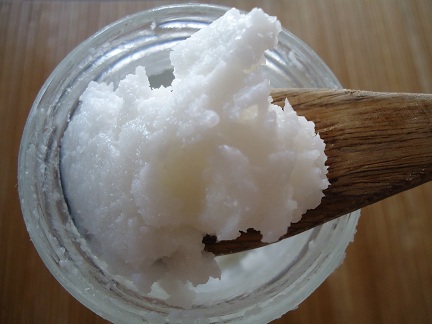
Coconut Oil:  This oil is a little bit different from all the rest, in that it DOESN'T contain many unsaturated fats, and in fact is comprised of almost 90% saturated fats.  Don't worry though, this doesn't mean the oil is unhealthy.  In fact, coconut oil is one of the healthiest oils out there.  It has a high composition of lauric acid, a powerful antioxidant that is also very heart healthy and supports your immune system.  Coconut oil, despite being high in saturated fat, can also help to LOWER bad cholesterol.  It's also quite tasty and can add an exotic flair to any stir fry.  Coconut oil is blatant proof that not all saturated fats are bad, and that they don't deserve the devilish reputation they've been given.


Hopefully that list gave you a little bit better idea of what exactly to look for when buying oil.  In all honesty, it's hard to go wrong when choosing a cooking oil, so don't stress.  Even canola oil, while processed, won't degrade your health, you just won't be getting some of the fantastic nutritional benefits available in other, more natural cooking oils.  Switch it up a little bit, try a new oil every time you get a chance, I guarantee they can really make your meals quite interesting, flavorful, and add a whole new layer of health benefits.

Keep that pan oiled, and those veggies sizzling.  Good Luck!


Thursday, December 8, 2011

Keep Those Joints Healthy


Joint health is a big deal to me, and should be to you as well.  Your muscles can't do their job efficiently if they're inhibited by stiff, painful joints.  And believe me, a pain in the elbow or knee that won't go away is not a fun thing.  It's obvious that maintaining joint health should be something you do proactively, and there are several ways that you can make sure those bodily hinges stay nice and lubricated as both the age goes up and the workouts get tougher.

A lot of joint health can be maintained merely through a healthy diet.  Many vegetables, fruits, meat, and dairy products contain a lot of the nutrients needed to keep your tendons sliding smoothly time after time.  But there's a lot that can be said for supplementation too, certain pills and medications that really make a difference when it comes to stiff joints.  Let's examine a few proactive measures you can take both through diet and supplementation that will keep you walking pain free for many years to come:

Calcium:  We've all heard this since we were kids.  "Drink your milk, it'll build strong bones!"  And it's true, Calcium plays a large role in bone and joint strength.  The body uses it to increase bone mass (especially in children) so that bone problems are far less likely later in life.  What are some foods rich in calcium?  Well you had it right from the beginning with the dairy products.  Milk and cheese are great examples of food rich with calcium.  Also, almonds, several herbs, and yogurt are all packed with the stuff.  Make sure you consume a good amount of Vitamin D and Potassium as well, because both those nutrients will aid in the absorption of calcium.

Fish Oil/Omega 3 Fatty Acids:  These fatty acids are most often found in fish, and go a LONG way in helping your joints slide smoothly and pain free.  They decrease joint inflammation, and fish oil has been known to work wonders for those with Rheumatoid Arthritis and other joint conditions.  It's a great preventative medicine as well, and will encourage healthy joints throughout your life.  I don't supplement fish oil, I eat plenty of fish as it is.  Fish like tuna, salmon, herring, crab meat, shrimp, and krill all contain significant doses of Omega 3's.  However some people like to supplement fish oil in pill form with their morning medication, and this is a great way to ensure your joints are getting what they need.  If you take a trip down to your local pharmacy, you'll find that fish oil comes in all sorts of different dosages.  It can be confusing, but you can't go wrong with a light/medium dose.  If you're really confused, talk to a doctor or pharmacist.  Here's a quote from healthyomega3.com about fish oil dosage:


The best fish oil supplements contain 280 mg of DHA and 120 mg of EPA per capsule.  (That’s more than double the normal amount of DHA in most “average” capsules). A total of 400mg of DHA and EPA.
So 2 capsules a day will give you 800 mg in total, around the level proposed by the AHA. And the recommended dosage, (taken from the label), for adults is 2 capsules a day.


Fish oil/omega 3 fatty acids support heart health as well, so they're a very useful tool in any nutritional diet.


Glucosamine/Chondroitin:  This is one of the most famous joint health supplements in any runner's bag of nutrition related tricks.  It's been known for a long time that daily supplementation of a Glucosamine/Chondroitin pill can help those joints slide smoothly.  I've always associated it mostly with knee pain, but any joint pain is fair game to be cured by this wondrous little pill.  Here's a great explanation from about.com regarding why these two supplements are so important:


How do glucosamine and chondroitin work?
Glucosamine and chondroitin are two molecules that make up the type of cartilage found within joints. Inside your joints, cartilage undergoes a constant process of breakdown and repair. However, to be properly repaired, the building blocks of cartilage must be present and available. The theory behind using the glucosamine and chondroitin joint supplements is that more of the cartilage building blocks will be available for cartilage repair.
  • Glucosamine is a precursor to a molecule called a glycosaminoglycan-this molecule is used in the formation and repair of cartilage.
  • Chondroitin is the most abundant glycosaminoglycan in cartilage and is responsible for the resiliency of cartilage.

Some will say that it's questionable as to how well an oral supplementation of these two nutrients will inevitably work, but there are many success stories out there that support the theory that a G/C pill in the morning can really make a difference with joint health and comfort.  I have experimented with the pills myself, and while I've never noticed a giant difference, they do seem to help my knees stay strong after all the squats I do.  Hey, better safe than sorry right?


And there's a little explanation of what you can do to actively keep your joints healthy and pain free.  Keep on that healthy diet, and experiment with supplementation if you're starting to feel some pain.  Again though, I don't claim to be an expert in the field, so I would suggest talking to a doctor or pharmacist if you're really looking to get some answers as to what could really help.

Keep healthy, stay mobile, and as always, good luck!

Friday, October 21, 2011

Don't Destroy your Salad


I love salads.  All my friends will vouch for me on that one.  There's nothing like finishing up a delicious entree then finishing off the meal with some greens.  I bet many of you will agree that salads are delicious.  And they're healthy too, right?  I mean all those vegetables in one place, it's like the holy grail of bodily nutrients.  But hold on.  I'm here to tell you that your salad might not be as healthy as you think.  You may be accidentally creating a meal that's got a lot of unseen unhealthy elements to it.  Here's a few tips to make sure that your salad is liberated and can do your body the good it deserves.

No Dressing:  Ah!  Madness!  No dressing on a salad?  That doesn't sound too good, does it?  Hold on a minute.  I eat my salads plain every single day, and I can promise you not one of them is ever dry, bland, or distasteful in any way, shape or form.  What's my secret?  I use very juicy vegetables!  Every one of my salads is piled high with juicy yellow peppers, red beans and chickpeas, cucumbers, and my favorite, tomatoes.  Mix those around a little bit and your salad will take on a natural dressing that is actually quite tasty.  And once you pop a bite into your mouth and crunch into a fresh and juicy grape tomato, you'd never know there was no dressing.  I suggest you guys give it a try!

But why do I prefer not to dress my salad?  Well I'll tell you a little something.  That pile of ranch on top of your salad probably has at least twice the calories as the actual salad itself, along with a lot of artificial ingredients, sugars, saturated fats, and things of the like.  In my opinion it's a LOT of calories you don't need.  In fact only two tablespoons of traditional ranch has about 150 calories, and I see lots of people put on two to three times that amount.  That's just ridiculous.  The natural flavors of the vegetables are masked, and any sort of nutrient benefit from the salad is being overshadowed by the shear caloric weight of the ranch.  This goes with all sorts of dressings, just read the nutrition labels.  Thousand Island, italian, you name it, a lot of it will most likely be more than you bargained for.

But don't despair you dressing addicts.  Salad dressing is not inherently bad, and there are a lot of very healthy alternatives.  Let's discuss a few, and how they can make your salad absolutely delicious without adding many calories or other undesirables.

Salsa:  Yes, that spicy, chunky, juicy, delicious tomato paste with peppers and beans.  Salsa is VERY low in calories (10-20 calories for two tablespoons) and VERY flavorful.  It can add a lot of character to any salad, and there are hundreds of varieties to choose from.  In fact you can usually have your salad as spicy or sweet as you like with salsa.  It's a great alternative that I highly suggest.  Just watch out for the sodium, it tends to be pretty high in salsa, but 1-2 servings won't kill you.


Mustard:  Same deal here, high amounts of flavor for low caloric density.  Dijon and yellow mustard both can really give those greens a big kick, and will only add a few extra calories to the dish.  It's all about amount of flavor for very little cost.  Try it out!

Healthy oils:  There's been studies that have proven that many nutrients in salad are FAT SOLUABLE.  So you can kiss those low fat, high fructose corn syrup dressings goodbye.  In fact low fat dressings can actually be worse for you than their traditional counterparts.  But if you want great flavor and a lot of healthy, unsaturated fats to fully absorb nutrients from your bowl of veggies, I suggest either olive oil, or balsamic vinaigrette.  Both are delcious and high in healthy fats which will do nothing but good for your body.  Don't go overboard on the olive oil though, it's still high in caloric density, so measure out your portions.

Meats:  I love me some salmon.  And chicken.  And shrimp.  And anything of the like.  And what an amazing way to make your salad more enjoyable!  Stick some lean protein in there, make sure it's fresh and moist, and I guarantee you will NOT miss dressing for one second.  That is if you decide to have it plain.  I would also suggest trying any of the above dressing styles with meat, especially if you're looking to get some more protein in your diet.  Again though, don't go overboard, and make sure that the meat is lean, fresh, and juicy.  My all time favorite is a salmon salad, though shrimp and chicken are close seconds.

Portioned Traditional Dressing:  Like I said before, the salad dressings you're used to aren't inherently bad!  The shear amount of them is sometimes what kills you.  If you want that ranch, go for it!  Absolutely!  But take the time to measure out the serving size.  Heck, try half the serving size, and see if you can get by on it.  Sometimes if you just take a little more time to appreciate the flavors of the food, you'll realize you didn't need so much dressing to begin with.

It's up to you, but I'd suggest experimenting.  Try it plain, like me, and load it up with some juicy veggies.  Then try some salsa, see if you like the kick.  Then try the mustard, then some healthy oil.  The same old thing gets boring anyway, right?

Dress lightly, love those greens, and good luck!